Have you ever dreamed of building your own home without feeling overwhelmed? Many people think that a home build is full of endless challenges. But with clear planning, it can be simple and even fun.
In this guide, we walk you through choosing the right piece of land, handling permits, and setting a strong foundation. We break each step down so you know exactly what to do. By following these easy planning tips, you can take charge of your dream home project with confidence.
Building Your Own House: Complete Process Overview
The custom house build process is split into 35 clear steps. It guides you from buying land to adding the final details. First, you start by choosing a plot that meets local rules. Then you work on getting permits and creating initial plans. These early steps help keep your project on track.
Next, you move into the hands-on work. The process covers tasks like framing the home, setting the foundation (which could be a slab, crawlspace, or full basement), and installing wall sheathing that is 7/16 in (11 mm) to 1/2 in (13 mm) thick. Each step is meant to build your dream home, one piece at a time.
Team coordination is key. On average, about 22 subcontractors handle jobs such as HVAC, plumbing, and electrical work. Getting your paperwork and permits done early can help you avoid extra fees and delays. Close collaboration with real estate agents, building experts, and local officials keeps everything running smoothly.
When construction winds down, final inspections make sure every part of your home passes building codes. Inspectors check the foundation, systems, and finishing touches to catch any issues early. A last walkthrough and the home-closing process bring everything together. In the end, your custom-built house is safe, functional, and ready to become your dream home.
Planning Your Own House Build: Land Selection & Zoning Regulations
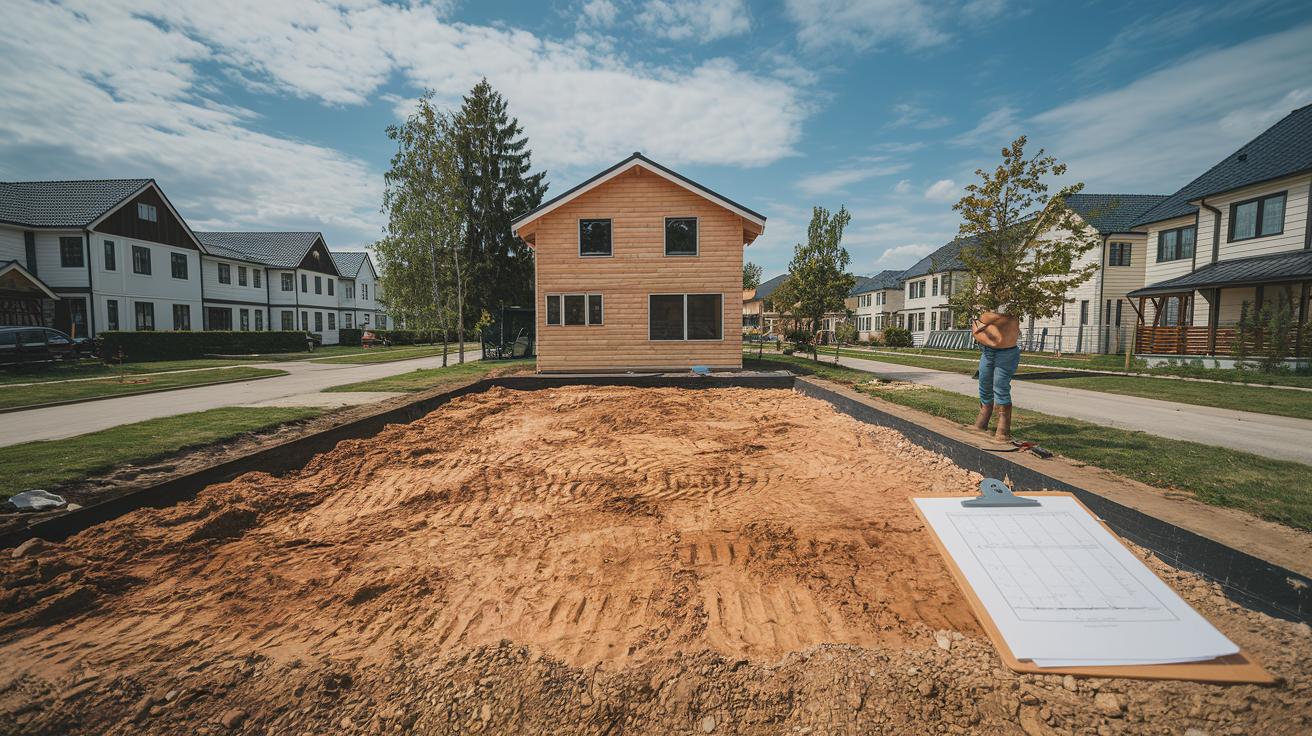
Begin by finding a plot that meets local zoning rules. This step is key when planning your build. Check that the land supports DIY home building for your project, whether it is a spec home, a tract home, or a custom design. Contact local real estate agents and construction experts early on. Their advice can help you handle the self-build tasks well. Review a DIY project checklist to pinpoint the planning tools and milestones you need.
After choosing the right plot, prepare the site for construction. First, clear the land, then level the ground to form a solid base. Next, mark and set the footings at least 1 ft (30 cm) below the frost line to prevent shifting during thaw cycles. These steps secure your foundation and help speed up the permit process, getting you closer to starting your build.
Budgeting Your Self-Built House: Cost Estimates & Financing Options
Keeping track of your spending from the start helps your self-build stay on track. Key expense areas are buying the land, getting permits (skipping these may lead to higher fees or even a work stoppage), laying the foundation, installing systems, framing, and adding finishes. Labor is another major cost since most builds work with about 22 subcontractors. A build cost calculator lets you assign real numbers to each part of your budget and control your cash flow. Using a construction project budget template makes it easier to record each expense and update your plan as you go.
| Category | Percent of Budget | Sample Cost |
|---|---|---|
| Land | 20% | $40,000 |
| Permits | 5% | $10,000 |
| Foundation | 15% | $30,000 |
| Systems | 25% | $50,000 |
| Finishes | 35% | $70,000 |
Keeping detailed records now helps avoid surprises later. Financing options like self-build mortgages keep your cash flow steady and can cover unexpected costs. Regularly checking costs lets you adjust for changes in material prices or labor rates. By comparing your estimates with actual spending, you can manage costs better, save money, and keep your project on schedule.
Designing Your Own House: Interactive Floor Plans & 3D Tools
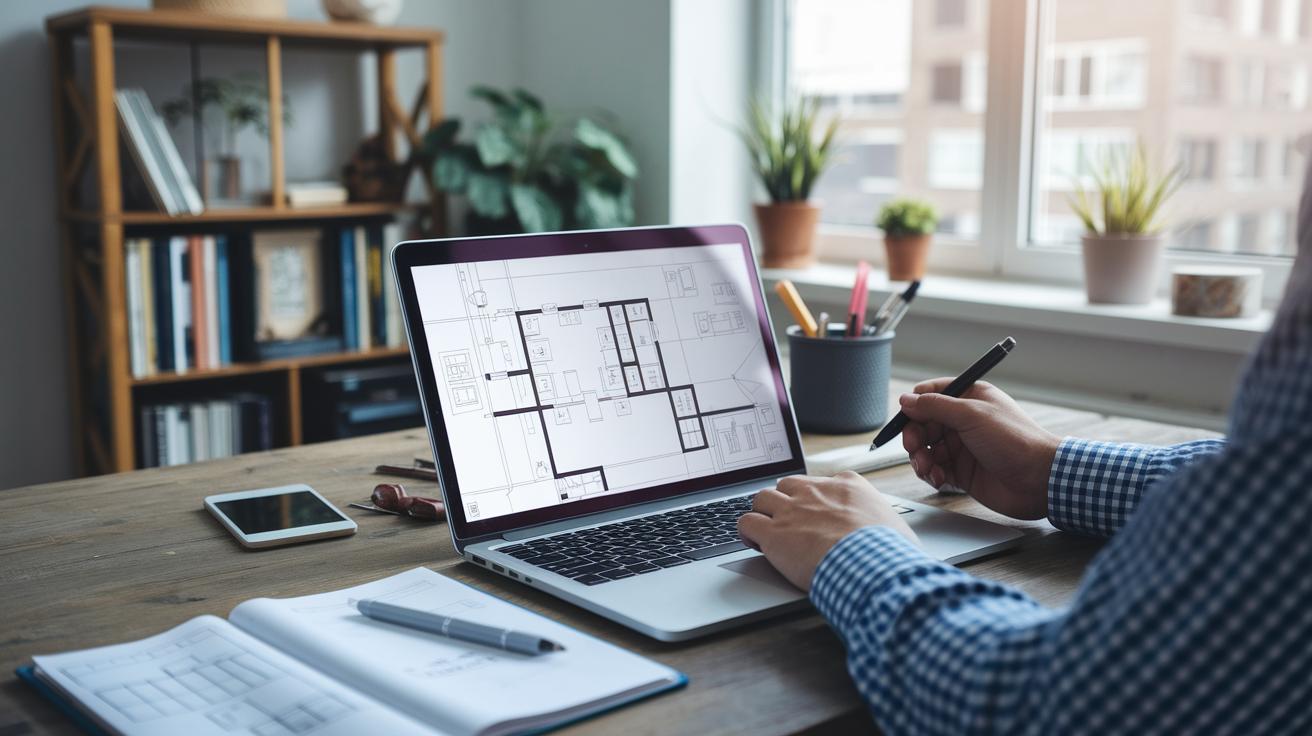
Digital planning is a smart upgrade from hand-drawn sketches. With tools like Plan7Architect, you can quickly draw walls and room dividers. You can easily add windows, doors, and even mark spots for outlets or HVAC areas (heating, ventilation, and air conditioning). The software lets you work with both inches and centimeters, so your measurements turn out just right. Try drawing a room outline on your computer to check the proportions, it saves you from costly mistakes on paper.
Follow a simple five-step method to design your space:
- Draw your walls to define the room’s shape.
- Add openings for doors and windows to improve the layout.
- Apply textures and insert 3D objects to preview finishes.
- Mark areas for technical details like outlets and HVAC zones.
- Review your design in 3D to catch any issues before building starts.
Watch out for common design mistakes. Don’t add so many details that your plan gets crowded. Always double-check your measurements when placing openings, and ensure each room flows smoothly into the next. A clear and simple layout makes it easier to plan furniture arrangement and keep the space functional, which can save you time and money during construction.
Permits & Inspections for Your Own House Build
Before you break ground, secure all the needed permits from your local building department. Missing these permits can cost you extra money, pause your work, or even force you to tear down finished parts. Start by sending in your building plans and double-check that they follow local zoning rules and building codes. It also helps to review a construction permits guide so you know what papers and deadlines are required. This careful planning can help you avoid delays and extra costs later.
After your permits are approved, plan for inspections at important steps. First, an inspector checks the foundation to confirm it is solid. Once you finish rough plumbing, HVAC (heating, ventilation, and air conditioning), and electrical work, another inspection makes sure everything meets code. Finally, a last check is done after all work is complete. These inspections are required to ensure your house meets safety standards and legal requirements.
Construction Timeline for Building Your Own House: From Foundation to Finish
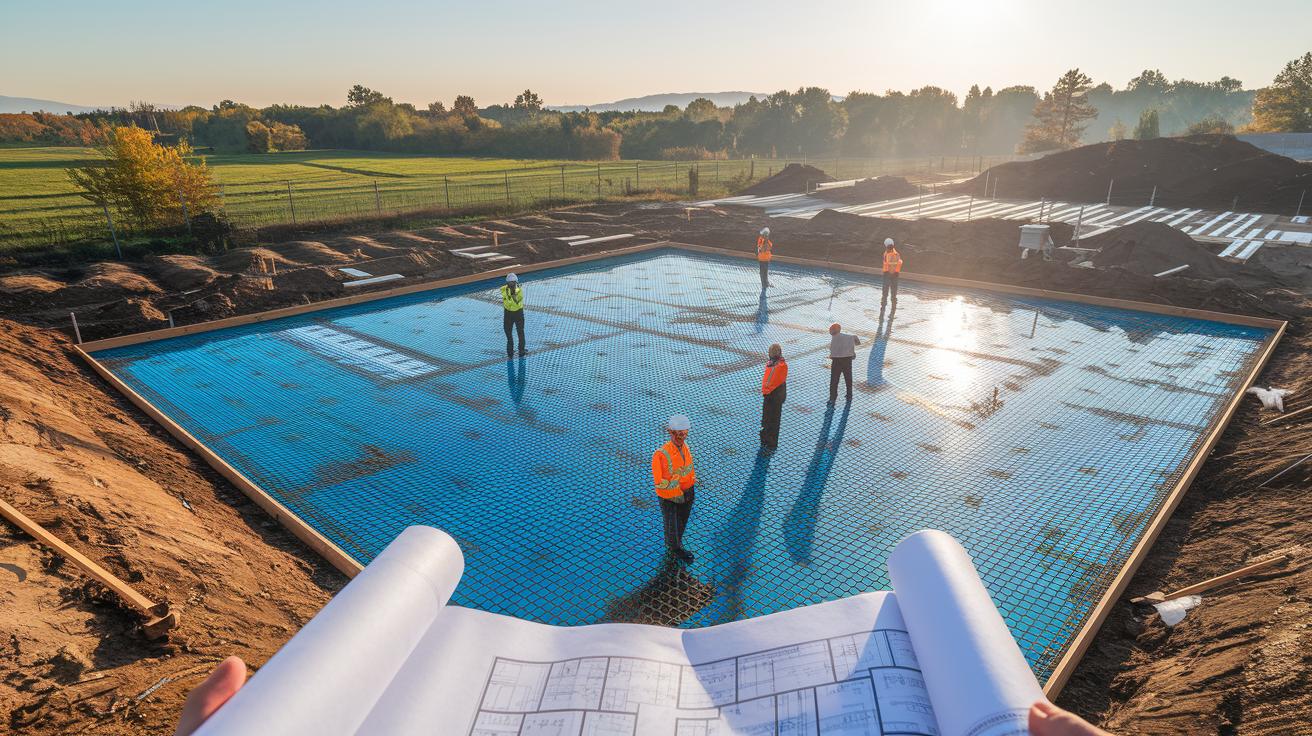
Start with a clear plan to keep every step of your house build on track. First, prepare your site by clearing the land and leveling the ground. Next, install frost-line footings so your house stays steady during freeze-thaw cycles. Once you pour the foundation, whether it's a slab, crawlspace, or basement finish, add drains and water taps before beginning the framing. Build walls using 7/16 in (11 mm) to 1/2 in (13 mm) thick sheathing for reinforcement, then move on to the rough-in work for ductwork, plumbing, and electrical systems. After that, install the roof, add insulation, and complete the exterior finishes to protect your home. Finally, paint, lay the flooring, and schedule thorough inspections to ensure your build meets all codes.
| Stage | Description | Typical Duration |
|---|---|---|
| Site Prep | Clear the land, level the ground, and mark frost-line footings | 1-2 weeks |
| Foundation | Pour a slab, build a crawlspace, or finish a basement and install utilities | 2-3 weeks |
| Framing | Build walls with 7/16 in to 1/2 in sheathing and set up windows and doors | 3-4 weeks |
| Systems Rough-In | Install ductwork, plumbing, and electrical systems | 2-3 weeks |
| Exterior Shell | Complete the roof, add insulation, and finish the exterior | 3-4 weeks |
| Finishing & Inspection | Paint, lay flooring, and perform final code inspections | 2-3 weeks |
Using a steady timeline helps you see the whole process at a glance. Check each stage as you go and adjust your plans if needed. This way, from the first groundwork to the final inspection, your project will move along smoothly.
Hiring Contractors vs DIY for Building Your Own House: Pros & Cons
Building your own house is a big project. Hiring skilled contractors can make the work go faster and help avoid mistakes. When you go with a custom home build, you might work with about 22 different subcontractors for tasks like HVAC (heating and cooling), electrical work, and plumbing. These professionals know the codes and can lower risks by working according to strict building rules.
If you choose to handle everything yourself, you can save on labor costs. However, managing a full DIY project means you must plan carefully and stay on schedule. Without solid time management, delays or errors can easily occur during the tougher parts of the build.
A smart option for many is a mix of both methods. Try tackling tasks you can handle, such as interior finishes or basic framing, while hiring experts for critical jobs like wiring and HVAC setup. This hybrid approach lets you cut costs without lowering quality. Clear planning, detailed timelines, and open conversations with your hired professionals can help keep your project running smoothly.
Material Sourcing & Quality Control for Your Own House Build
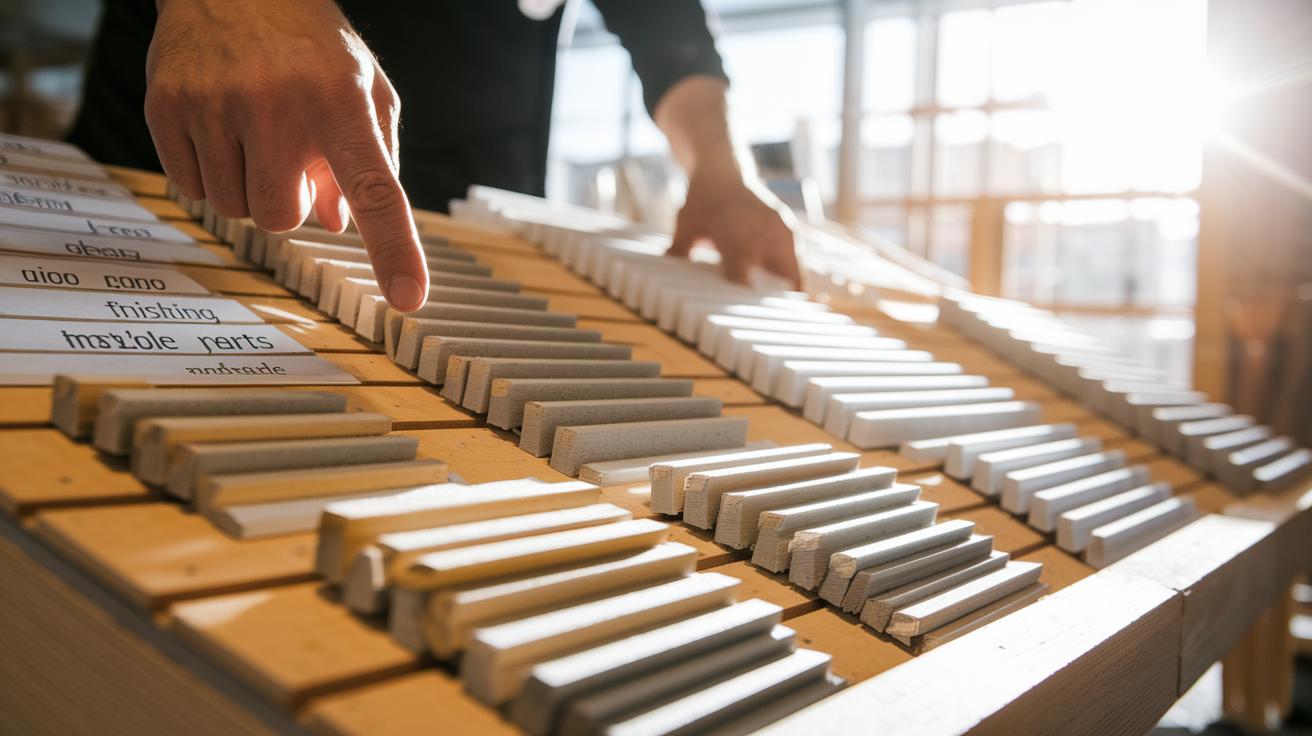
Pick top-grade building materials that help your house stay strong. For example, choose structural sheathing that is 7/16 in (11 mm) to 1/2 in (13 mm) thick for a solid frame. Use insulation that fits your climate to boost energy savings and comfort. Also, select durable finishes that keep your home looking neat while protecting it over time. Check each material regularly and test a small area of finish to ensure it meets your standards.
Save money without lowering quality by sourcing smartly. Buying in bulk from trusted local suppliers can lower costs with volume discounts. You might also consider prefabricated parts or modular kits, which provide steady quality and speed up installation. Look for suppliers who offer clear quality reviews and mix purchasing strategies to match both your budget and your construction needs.
Final Words
In the action of tackling a project, this guide walks you through a 35-step process, from land selection and permits to framing, finishing, and final inspections. Each phase is detailed for better planning.
We covered handling budgets, coordinating teams, and using digital design tools. The steps help you plan each phase safely and within your budget.
When you build your own house, you gain practical skills and confidence. With clear steps and careful planning, your project will finish on schedule and within your budget.
FAQ
What does build your own house online involve?
Build your own house online involves using digital platforms to create custom floor plans, experiment with design layouts, and explore material options without visiting a physical office.
What are build your own house kits and custom house plans?
Build your own house kits and custom house plans offer pre-designed templates and components. They help you easily combine ready-to-assemble parts with personalized design features for a tailored home build.
How does a build your own house app or game work?
A build your own house app or game lets you interactively design and plan your home. It offers tools to draft layouts and simulate building scenarios, making planning fun and accessible.
How can I access free blueprints or house plans online?
Accessing free blueprints means finding websites that offer complimentary house design templates. These resources let you download plans for inspiration or use them as a starting point for your build.
Is it still cheaper to build your own house?
Building your own house can be more affordable if you manage costs directly. Savings depend on material quality, labor expenses, and careful planning to avoid unexpected costs during construction.
What factors add $100,000 to your house and is $300,000 enough to build one?
High-end finishes, extra square footage, and custom design features can add around $100,000. A $300,000 budget may cover a basic build, but actual costs depend on location, materials, and design choices.
How big of a house can I build for $100,000?
A $100,000 budget typically allows for a modest-sized home. Actual size varies with local construction rates and design specifications, so consulting local builders provides a more accurate estimate.
How do I design my own house floor plans?
Designing your own house floor plans involves using interactive online tools to draw walls, place openings, and experiment with room arrangements. Free software and templates can simplify the process.
Where can I find and build custom home designs online?
Custom home designs are available on many online platforms that let you search, modify, and download plans. These services provide a range of styles and cost estimates to help tailor your dream home.