Ever feel overwhelmed by the many woodworking tools out there? Many beginners wonder which ones are really needed.
In this guide, we focus on the core tools that every workshop should have. First, you need a strong workbench that serves as a solid base for your projects. Next, choose reliable saws that cut accurately and safely. Finally, pick measuring tools that help you mark and cut with precision.
By sticking to these basics, you can build your skills step by step and gain confidence in your work. Enjoy your woodworking journey!
Woodshop Core Tools Overview
These tools are the backbone of any workshop. They help you work steadily and accurately, so your projects turn out well. A beginner’s set of 20 hand tools covers all the basics. This way, you can tackle many woodworking tasks as your skills improve.
- A sturdy workbench with basic storage. This gives you a reliable surface to work on and keeps your tools close by. Check out diy workbench plans.
- A middle-sized jack plane to remove rough sections and level board edges up to three times its length.
- A low-angle block plane to trim joints and smooth out tricky wood grain.
- A panel saw (rip-tooth) that makes straight cuts along the grain.
- A panel saw (cross-cut) designed to cut across the grain with accuracy.
- One to three back saws with steel or brass backs for precise joinery.
- A miter box and saw that deliver clean end cuts and neat angles.
- A coping saw that costs under $20. It’s great for cutting away waste and rough shaping.
- A bench chisel set with quality chisels and light wooden handles for shaping and paring.
- A mortise chisel (3/8″) for creating clean, rectangular mortises.
- A 6″ combination square to check if boards are square and to transfer measurements.
- A 9–12″ try square that helps you draw perfect right angles on panels.
- A sliding bevel square to copy and set angles that are not 90°.
- A marking gauge with a lock to scribe parallel lines at set distances.
- Several clamps. This set should include at least one 10–12″ hand-screw clamp and either bar-type or parallel clamps to secure glue joints.
When you choose tools, think about your project goals and how much you want to spend. Many beginners start with a basic kit that handles all these tasks, then add special tools as they learn more. Look for quality, reliability, and fair pricing so your first setup fits your needs without breaking your budget. For more starter tips, visit essential woodworking tools for beginners.
Manual Woodworking Tools: Functionality, Pricing, and Comparisons

Comparing manual woodworking tools is very important. It helps you choose tools that match your budget and work style. You can see which tools work best for heavy cutting and which work well for detailed tasks. This guide shows you which tools are versatile, sturdy, and easy to use.
| Tool | Price Range | Best Use | Key Feature |
|---|---|---|---|
| Jack Plane | $50–$150 | Removing rough stock | Adjustable blade for heavy work |
| Block Plane | $30–$120 | Trimming with precision | Compact design for fine work |
| Panel Saw | $20–$40 | Ripping and cross-cutting | Smooth, straight cutting action |
| Back Saw | $20–$50 | Accurate joinery cuts | Reinforced back for stability |
| Coping Saw | $10–$20 | Curves and waste removal | Affordable and flexible design |
| Chisels | Bench: $30–$100; Mortise: $15–$40 | General chiseling and mortising | Strong steel with comfortable handles |
Before you buy any tool, think about your projects and what you might do in the future. If you have a lot of rough work, a jack plane is a good choice because it removes extra wood quickly. For small, detailed cuts, a block plane or a good back saw works well. It also helps to check how the tool feels in your hand and how sharp the blade is. This way, you stay safe while getting the job done. Always balance cost with quality so your toolkit grows as your skills improve.
Essential Woodworking Tools: Top Workshop Picks
Power tools help you work faster and with less effort. They let you cut, shape, and drill with more precision so you can take on bigger projects. This extra speed means you can enjoy more detailed work with your hand tools.
Routers are key for shaping edges and creating joints. They let you make detailed cuts and smooth profiles along edges. Sanders are important too. Belt sanders remove material quickly while random-orbit sanders give you a smooth, refined finish. There are options available to fit any budget, so you can choose the right one for how often you work and the finish you need.
Drills round out your power tool collection. Corded drills offer steady power for long jobs, while cordless drills give you the freedom to work in tight spaces. With many bits and attachments available, drills can handle a variety of materials and tasks. Compare features with price to find the model that best meets your workshop needs.
Measuring Instruments for Precise Woodworking
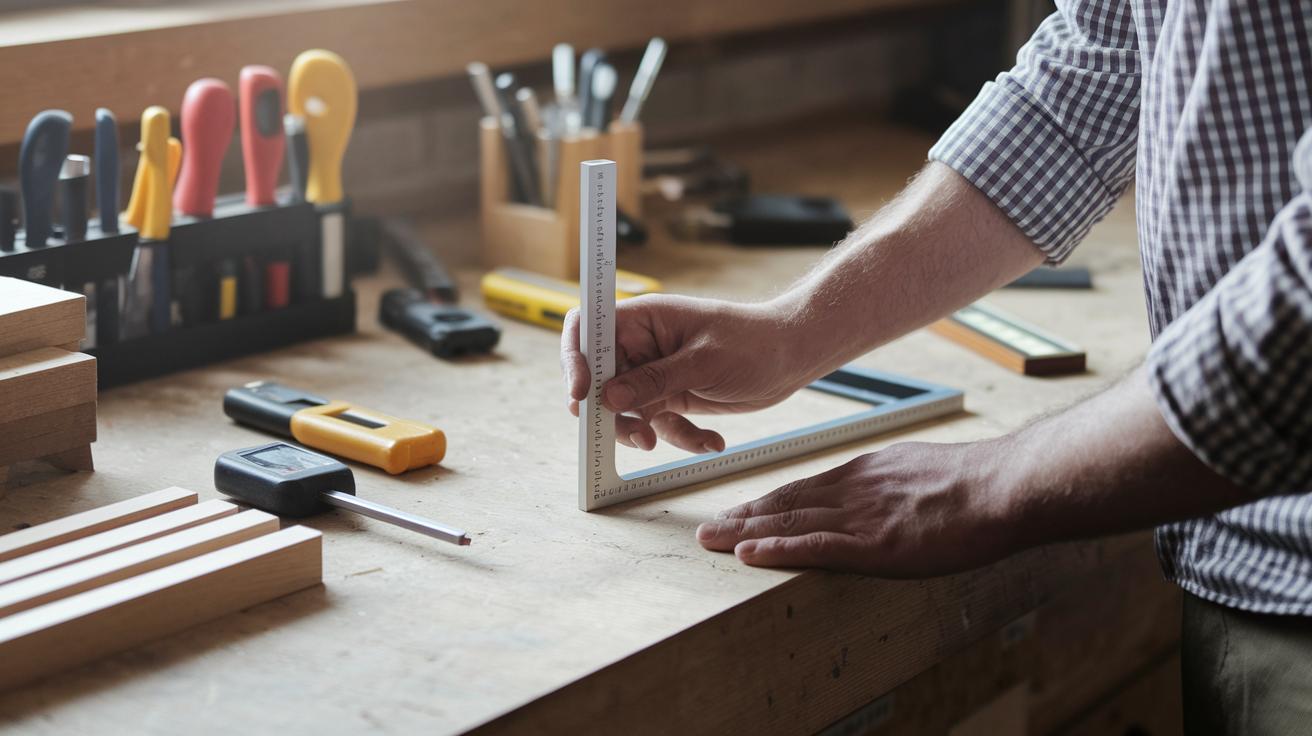
Accurate measurements are key when fitting parts with tight tolerances. Check your tools often against a standard gauge to catch small errors before they ruin your work. Even a tiny mistake of 1/16 in (1.6 mm) can create visible gaps in cabinet panels.
Use layout tools like a 6 in combination square, a 9–12 in try square, a sliding bevel square, and dividers to check angles and transfer measurements. When picking your tools, look for sturdy construction and clear markings. Calibrating these tools on a trusted straightedge keeps them accurate. A marking gauge with a lock makes neat parallel lines for joinery. Start with a calibrated marking gauge so you get flawless edge alignment.
For straight measurements, use a folding rule or tape measure that shows both imperial and metric units. A sharp marking knife helps create crisp layout lines for guiding your cuts. These tools are especially useful for tasks like cutting precise dadoes or tight miter joints. Tip: Test your knife on a scrap piece; the line should be crisp and straight.
Clamping Devices for Secure Woodworking Assembly
Woodworking projects need strong clamps to keep glue-ups tight and joints secure. A 10-12 in (25-30 cm) hand-screw clamp gives steady pressure for small projects. For wider joints or bigger panels, bar-type and parallel clamps work well because they spread pressure evenly and help prevent gaps. For example, use a hand-screw clamp for delicate joints, but choose a parallel clamp to keep large surfaces flush.
When picking a clamp, check its size, build quality, and the materials used. Measure your workpiece to see whether a compact hand-screw clamp or a longer bar-type clamp fits best. Choose clamps made of sturdy metal and reliable parts. Clean off any glue residue and check the clamp regularly to keep it working safely and evenly.
Storage and Maintenance for Essential Woodworking Tools
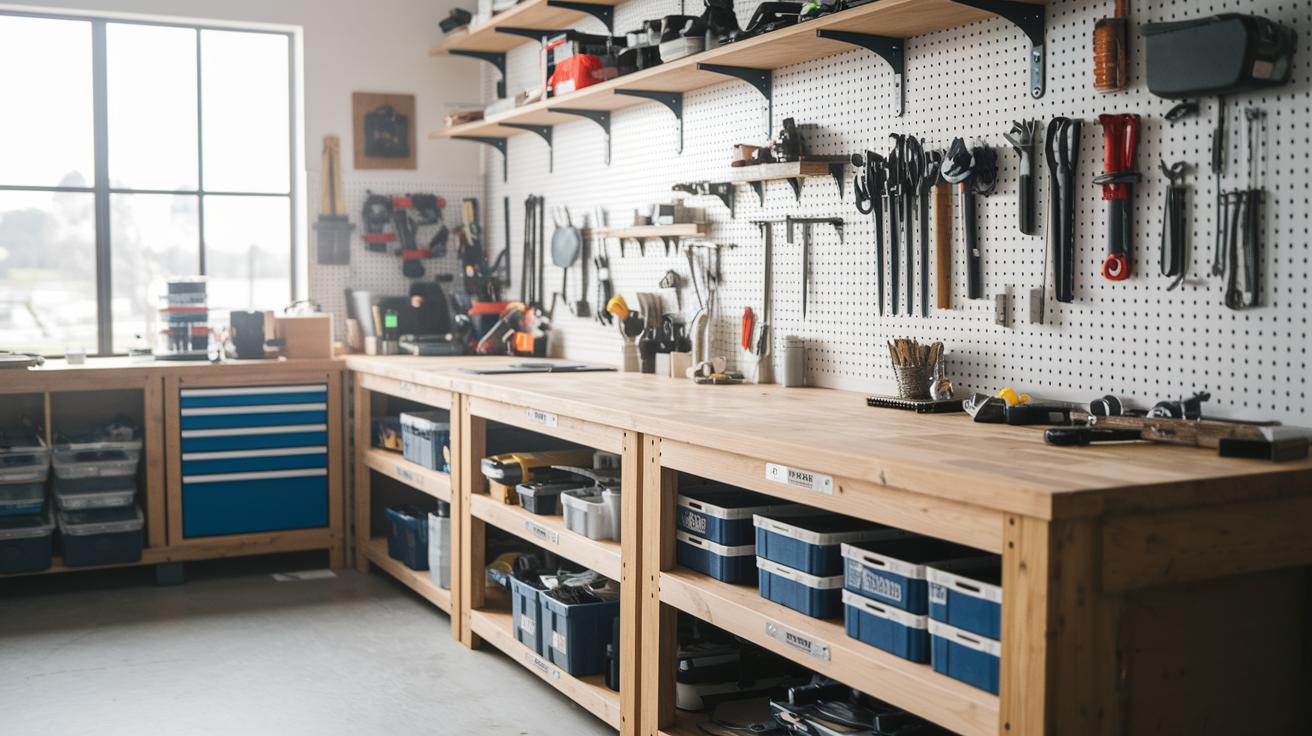
Storing your tools well can boost your workshop's productivity. A solid workbench with built-in storage keeps your tools and workpieces safe while you plane or saw. Wall organizers or portable cabinets help cut clutter so you can find each tool quickly and work safely.
Taking care of your tools makes them last longer. Clean off sawdust and resin often from hand tools like chisels and planes. Use a soft brush on power tools to get rid of debris. Sharpen blades on a regular schedule to keep cuts precise, and check alignment to prevent mistakes. Apply the right oil to moving parts like hinge joints and sliding mechanisms to lower friction. Inspect clamps periodically for wear and keep storage areas dry to avoid rust. With good care and smart storage, your tools will stay reliable as your woodworking skills grow.
Final Words
In the action, we covered key woodshop tools that build a solid workshop foundation. You saw detailed insights into hand tools, power equipment, measuring devices, clamping methods, and storage care. This guide offers clear steps to select and maintain essential woodworking tools for a safe, efficient project. The outlined tips support smart buying and practical use of each tool. With this plan, you'll tackle your projects confidently and on schedule. Enjoy your woodworking projects and stay safe as you continue to build your skills.
FAQ
What are the essential woodworking tools every woodworker should have?
The essential woodworking tools every woodworker should have include a sturdy workbench, planes, saws, chisels, squares, marking gauges, and clamps. This list covers both hand and power tool basics for most projects.
What power tools are essential for woodworking?
The power tools essential for woodworking include routers, sanders, and drills. They complement hand tools, boost efficiency, and help achieve precise cuts and joinery while enhancing overall workshop productivity.
Where can I find a woodworking tools list PDF?
A woodworking tools list PDF acts as a detailed inventory of hand and power tools, offering specifications, pricing, and brand advice. It helps you plan and set up your workshop with clear, ready-to-use guidance.
What is considered the best overall essential woodworking tools brand?
The best woodworking tools brand depends on quality, reliability, and budget. Trusted brands often provide durable hand and power tools suitable for both beginners and professionals, so careful review comparisons help in selecting the right match.
What are the nine essential woodworking joints?
The nine essential woodworking joints include butt, lap, mortise and tenon, dovetail, box, finger, miter, rabbet, and scarf joints. They provide a range of strength and options to suit various woodworking projects.
What are the five most common tools in carpentry?
The five most common carpentry tools are saws, hammers, measuring devices, levels, and chisels. They form the basic toolkit needed for cutting, assembling, and ensuring accuracy in most wood projects.
What are the 12 tools every furniture maker needs?
The 12 tools every furniture maker needs involve a sturdy workbench, various saws, planes, chisels, squares, marking gauges, clamps, and sharpening supplies. This set of tools supports a wide range of woodworking tasks.