Have you ever wished you could fix a creaky door or a leak right away? Many homeowners feel unprepared when small issues pop up. This guide shows you the top tools every homeowner should have in their toolbox. With just a few key picks, home repairs become simple and safe instead of stressful. We break down the essentials that help turn worry into confidence. Let’s get started on building a toolbox that meets all your basic needs.
Quick Overview: Top 10 Must-Have Homeowner Tools
This DIY toolkit makes home repairs simple and stress-free. For more ideas and options, check out the best home tool kit for homeowners.
Every tool on this list has been chosen to help you fix small issues and handle routine maintenance with ease. With these essentials in your toolbox, you can tackle everyday problems quickly and safely.
Here are the key tools every homeowner should own:
- 16-oz claw hammer
- 25-ft tape measure
- Screwdriver set
- Adjustable wrench
- Flashlight
- 24″ level
- Retractable utility knife
- Cordless drill with bits
- Pliers set
- Handsaw
- Toolbox
Stock your toolbox with these items, and you'll have what you need to keep your home in great repair. Start building your DIY toolkit today, and enjoy the confidence that comes from being prepared.
Essential Hand Tools for Homeowners

A good set of hand tools makes everyday repairs easier while boosting your confidence. Choose a hammer with a steel head and a handle made of fiberglass or wood for a solid, comfortable grip. Look for screwdrivers that offer a ratcheting option for quick turns or a fixed head when you need precise control. Pick pliers such as needle-nose, slip-joint, or channel-lock styles made from hardened steel for lasting performance. When selecting an adjustable wrench, opt for one with smooth jaw movements and a rust-resistant finish. Use a utility knife that features a retractable blade with a secure lock to ensure safe, accurate cuts.
Taking care of your tools keeps them reliable for years to come. Clean each tool after use by wiping the metal parts and applying a light oil to prevent rust. Store your tools in a dry, organized toolbox with padded compartments to protect them from scratches and loss. Check expert advice online to compare pro-grade tools with budget options. Light-duty tools work well for occasional tasks, while heavy-duty models are best for frequent repairs. These tips will help you build a toolbox that performs well, no matter the small repair job.
Power Tool Essentials for Homeowners
Pick power tools that work well and last long. Choose drills and impact drivers with lithium-ion batteries instead of NiMH batteries. Lithium-ion batteries charge faster and run longer. Look for tools that let you change speed and torque. For example, use a lower speed with more torque when drilling into wood.
Check the tool’s motor power and weight. A lighter tool can be easier to handle, but a heavier one can offer more strength for tough jobs. Look for designs with comfortable grips to help keep your hands from getting tired.
Keep your tools in good shape with regular care. Brush off dust from the tool’s vents and replace any worn parts like brushes to keep the motor running smoothly. Follow the maker’s battery care tips by storing batteries at room temperature and checking the charge before you start.
Know the difference between drills and impact drivers. A drill works for many everyday tasks, while an impact driver gives you extra force for long screws or bolts. These tips will help you pick the right gear for your projects.
Specialty Tools for Homeowners: Plumbing, Electrical, and Carpentry
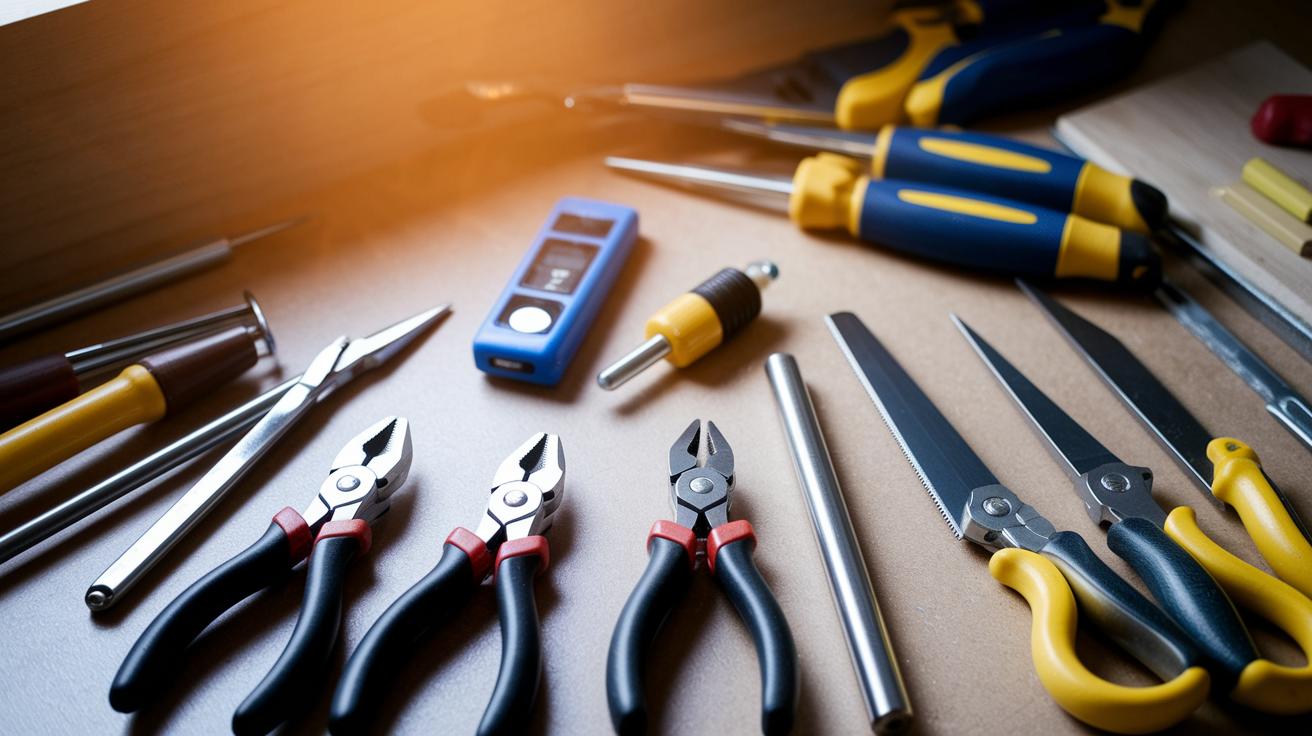
Choose tools that are built to last and work well for your home repairs. When you pick a plumbing wrench, check that the jaws open wide enough and that the handle feels good in your hand. Tools made from quality steel with a corrosion-resistant finish are a smart investment. For electrical work, a tester with a built-in flashlight gives you bright light and accurate voltage readings. Keeping these gadgets properly calibrated and easy to use helps keep you safe and working efficiently.
For carpentry projects, use a handsaw with a stiff back to help you make steady cuts. Look for saws that have 14 to 16 teeth per inch. That setup offers a good mix of fast cuts and precise work. An ergonomic handle is also a plus because it reduces hand strain during long tasks. You can find these specialty tools in a range of options, from mid-range models for occasional repairs to premium ones built for heavy-duty work.
Maintenance is key for every tool:
- Clean your wrenches and saws after each use, and apply a light oil on metal parts to prevent rust.
- Calibrate your stud finders and electrical testers regularly to keep them accurate.
- Store all your tools in a dry place, ideal in compartments designed to protect them from impacts and scratches.
Follow these tips and compare features carefully to pick the right tools for both small fixes and larger projects around your home.
Safety Tools and Gear Every Homeowner Needs
Keep yourself safe before you start any repair work. Always wear ANSI-rated safety glasses, cut-resistant gloves, and an N95 or dust mask. These protect your eyes, hands, and lungs from flying debris and harmful particles. Also, check that each tool has proper blade guards and follow lock-out/tag-out steps during maintenance.
Set up your workspace with care. Make sure you have plenty of light and clear, clutter-free zones. Work on a flat, stable surface to avoid trips and falls. Regularly inspect your gear for wear and tear and replace anything that looks damaged. For a detailed list of protective gear, use the PPE checklist for DIY projects (https://alphapix.org?p=277).
Remember, using the right safety gear and following proper practices can reduce injury risks and help you finish repairs safely.
Buying and Budgeting for Essential Tools for Homeowners
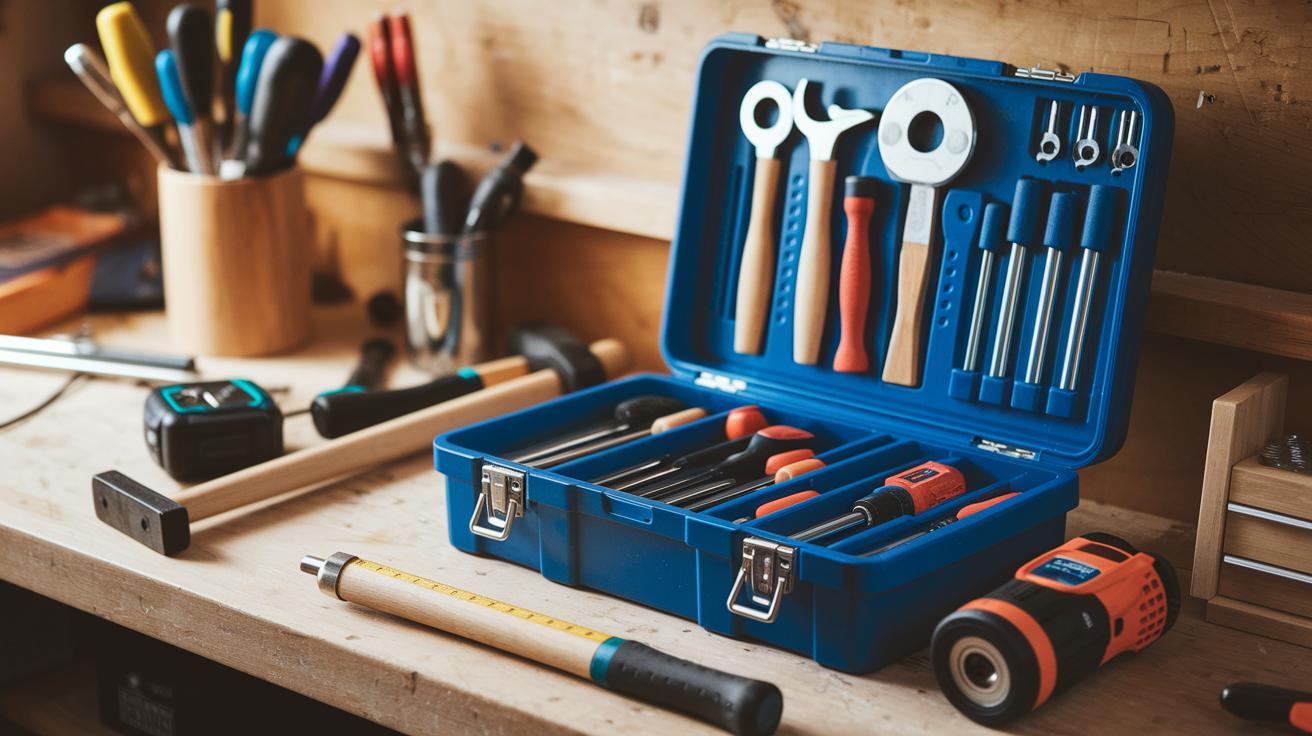
When planning your toolbox, balance cost with quality. A hammer that costs about $15–$25 may work fine for the occasional fix. But if you use it a lot, a model priced at $40 or more can offer a stronger build and a longer warranty.
Compare tape measures next. A simple one in the $10–$15 range usually does the job. Still, a tape measure with a clear, retractable blade might cost around $25 or more and can save you time.
Look at cordless drills as well. Basic models cost about $60–$80 and work well for light repairs. If you need more power and extra features like variable speeds, an adjustable clutch, and a battery that holds charge longer, expect to pay $150 or more.
Remember to check material quality, warranty details, and support from trusted brands. You might also want to consider financing options or buying items in discounted bundles. This way, you can spread out your costs over time and enjoy long-term savings.
- Look for tools made with corrosion-resistant materials and a design that fits comfortably in your hand.
- Read reviews focusing on warranty and brand support before making a purchase.
- If money is tight, build your toolbox gradually by investing in high-quality tools that will last.
Final Words
In the action, we broke down a smart toolkit that covers every step of your project. We listed key items like the claw hammer and cordless drill, and we compared hand, power, and specialty tools. We also touched on safety gear and simple budgeting steps to help you plan each purchase carefully.
Keep this guide handy as you work through your projects. By using the essential tools for homeowners, you can build skills and complete repairs with confidence and ease.
FAQ
What are the top 10 essential tools every homeowner should have?
The top 10 essential tools include a 16-oz claw hammer, 25-ft tape measure, screwdriver set, adjustable wrench, flashlight, 24″ level, retractable utility knife, cordless drill with bits, pliers set, and handsaw. They form a basic toolkit for common repairs.
What tools do I need as a homeowner for basic home improvement?
Homeowners need key hand tools like a hammer, screwdriver set, pliers, and adjustable wrench, along with a cordless drill. These tools cover everyday repairs and simple home improvement tasks effectively.
Which brands offer the best essential tools for homeowners?
The best tool brands are known for durable materials, ergonomic designs, and solid warranties. Reviews and guides help compare pro-grade and budget options, making it easier to choose reliable tools.
What common tools are most frequently used by homeowners?
Frequently used tools include the hammer, tape measure, screwdriver set, wrench, and utility knife. These are staples for hanging items, minor fixes, and quick repairs around the home.
What additional tools should I consider for specific repairs?
Besides basic tools, adding specialty items like a stud finder, handsaw, and proper personal protective equipment helps with electrical, carpentry, and safe repair work, ensuring tasks are completed securely and efficiently.