Do your garden chores sometimes feel more exhausting than fun? You might be surprised by how much of a difference the right tools can make. Imagine pruning with sharp, well-kept snippers or digging with a versatile knife that feels safe and smooth in your hand. With the right equipment, even heavy work seems lighter. Our guide shows you the must-have tools that boost your garden’s health and make every task more enjoyable. Get your gear ready and turn your garden work into a satisfying outdoor adventure.
Must-Have Gardening Tools Every Gardener Needs
A good set of gardening tools makes your work faster and easier. With the right gear, you can finish tasks quicker while keeping your garden neat and your body safe.
When you have the right tools, every job feels simpler. Whether you're pruning, planting, or clearing out debris, the proper tool will help your plants grow strong and your garden look great.
- Handy Snippers – Allow you to make careful cuts that help plants grow healthy.
- Ratchet Pruners – Offer extra cutting power to manage thicker branches.
- Secateurs – Give you clean and controlled cuts on small branches for a tidy finish.
- Heavy Duty Planter Bag – Provides a strong way to carry soil and small plants.
- Stainless Steel Hori Hori Garden Knife – Works for digging, planting, and weeding (it has marked measurements for accuracy).
- Slate Plant Labels & Marker Pen – Make it easy to mark and organize your plants in any weather.
- Garden Kneeler & Seat – Helps lessen knee and back pain while giving you a comfy work spot.
- Stand-Up Weed Puller – Lets you remove weeds effectively by targeting the roots without bending over.
These essential tools form the heart of any gardener’s kit, whether you’re new to gardening or have been tending a garden for years. With a compact set of trusted tools, work becomes simple and efficient. This lets you enjoy your garden more while keeping it orderly and full of life.
Garden Cutting Tools for Healthy Growth
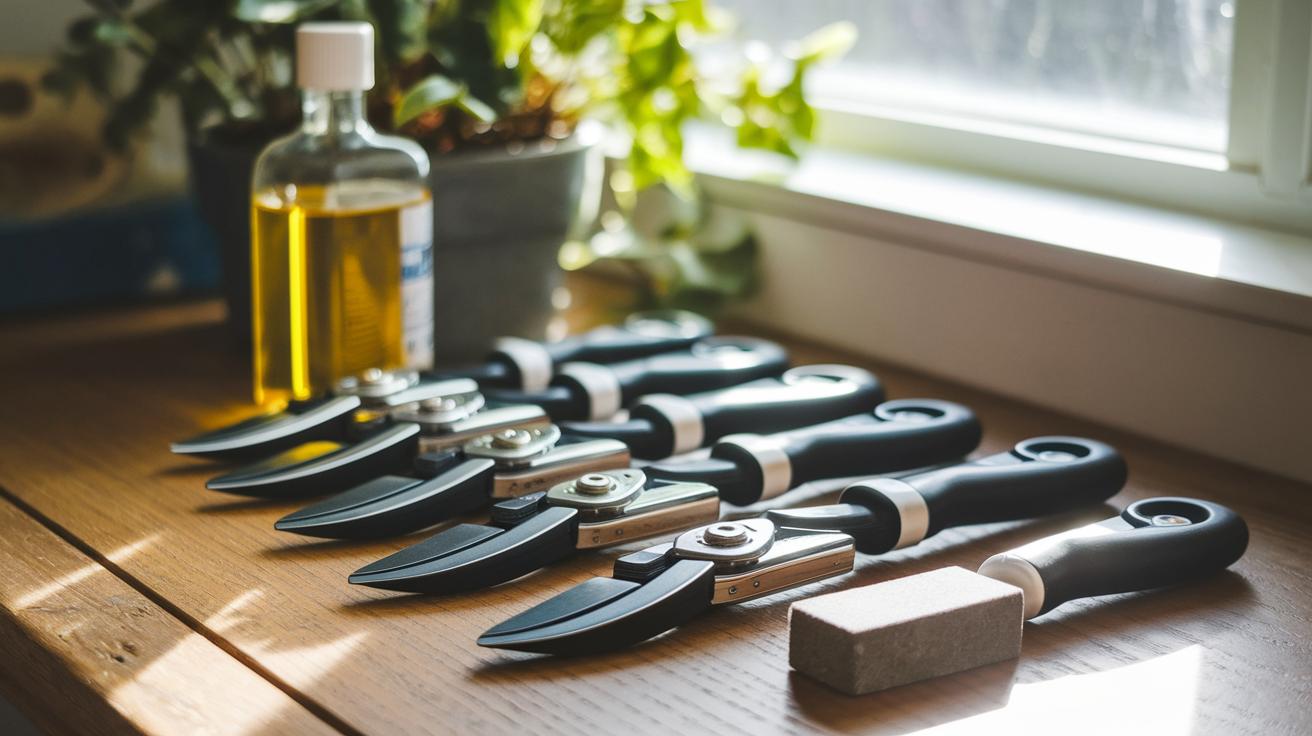
Sharp, well-kept tools help your plants heal quickly. Using trusted cutters means less strain on your hands and better cuts for new growth. Clean, sharpen, and oil your tools often to make them last longer. These steps make each garden task feel smooth and safe.
| Tool | Best Use | Maintenance Tips |
|---|---|---|
| Handy Snippers | Trimming small branches and delicate leaves | Wipe blades with rubbing alcohol after each use |
| Ratchet Pruners | Cutting thicker branches with extra power | Oil joints weekly and check the safety lock |
| Secateurs | Makes clean cuts on soft shoots | Sharpen blades every month and remove leftover sap |
| Precision Trimming Scissors | Shaping plants with detailed cuts | Clean right after use to prevent rust |
Keep your tools in a cool, dry place to avoid rust and damage. Check safety locks and handles often for wear. With a regular care routine, your tools will always be ready, making your garden work both safe and satisfying.
Planting and Soil Preparation Tools for Your Garden
-
Long, Thin Trowel or Spade
Use this tool to dig holes in moist soil. It helps you control the hole's depth and keeps nearby plants safe. After digging, brush off any soil and wipe the metal clean to stop rust. -
Hand Rake (Cultivator)
This tool has evenly spaced tines that clear leaves, stones, and debris. Run it along garden rows to loosen compact soil. When you're done, tap off extra dirt and store the rake in a dry spot. -
Dibber
A dibber makes small, uniform holes for seeds or bulbs. Push it into the soil at a steady angle for consistent depth. Clean off any soil afterwards to keep the measurement marks easy to read. -
Needlenose Pruners
These pruners work well in tight spaces to trim small branches. Cut carefully and always wipe the blades with a dry, soft cloth after use. Check the grip frequently to avoid slips. -
Twine & Planting Line
Twine helps secure plants, and a planting line is useful for lining up seedlings. Keep these tools coiled neatly when not in use to prevent tangles and damage. -
Seed Spacing Ruler
This ruler shows you the right spacing for planting seeds. Rinse and dry it after each use so the markings stay clear, which helps you plan for a successful garden.
Watering Tools and Irrigation Accessories for Gardeners
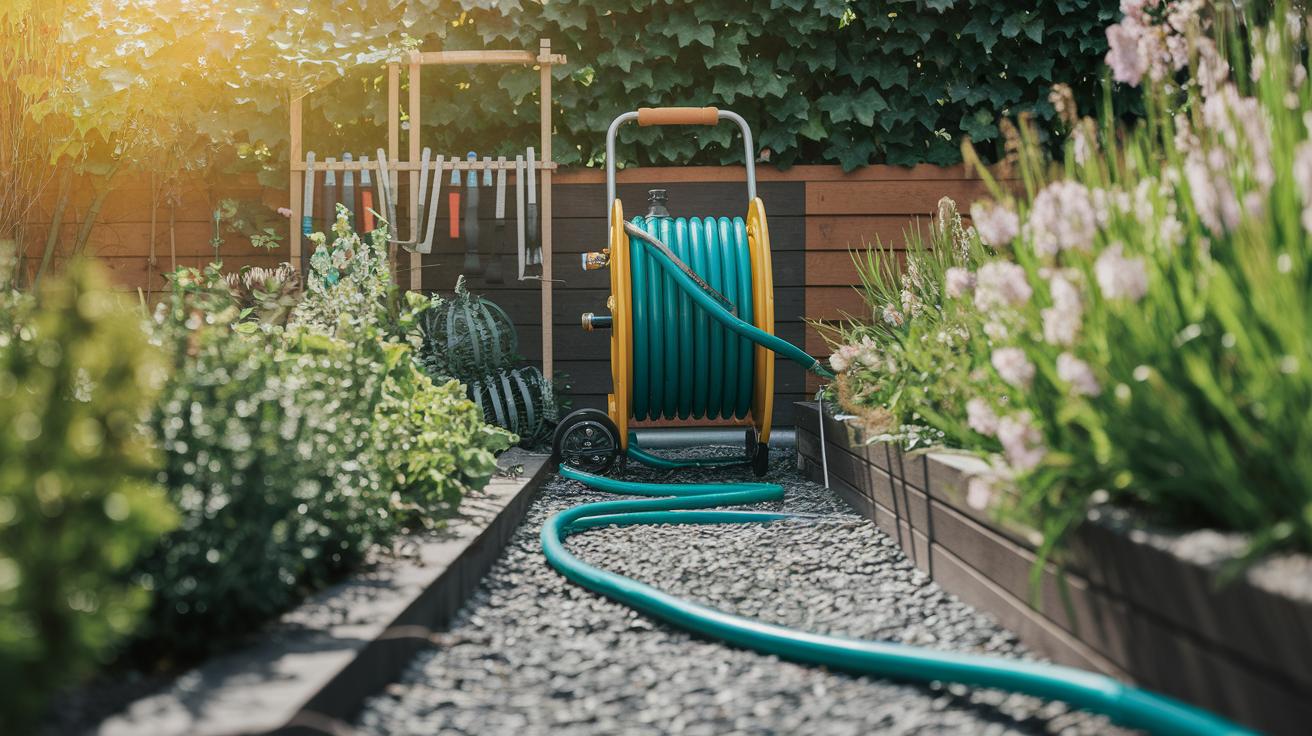
Using the right tools can make watering your garden easier and save water. Place your hose reel in a shaded spot and run the hose along a smooth, twist-free route. Quick-connect fittings that match your hose connectors secure a steady water flow for your plants. Think of it as creating a clear pathway for water. This setup helps reduce bending and strain, so you can water without extra hassle. For example, run the hose along your garden borders to reach farther without needing to bend over.
Keep your irrigation tools in good shape. Rinse out connectors after each use and check them for leaks or wear, especially before storing for the long season. Winterize your hose reels early to prevent damage, and inspect for leaks to avoid wasting water. This simple care routine keeps your self-watering systems and irrigation accessories working smoothly all season long.
Support and Maintenance Tools for Garden Health
Plant support stakes, tomato cages, and trellis designs help keep your garden strong and make harvest time easier. Start by inserting a support stake near each plant base, then wrap a tomato cage gently around delicate stems. Adjust trellises evenly so climbing plants grow straight. Always check your tools, like weed pullers and garden kneeler/seats, before each use. After you work outdoors, clean off any dirt from labels and parts. Finally, fold your kneeler/seat and store all supports in a dry area to keep them in good shape.
Regular upkeep of these tools keeps your garden healthy and makes seasonal work simpler. Check that stakes stay firm and that tomato cages are still secure after windy or rainy days. Verify that trellis systems are tight enough to guide growth without harming the plants. After your garden tasks, wipe down metal parts and inspect any moving parts on tools for signs of wear. These small steps go a long way in maintaining your garden, ensuring every plant gets the support it needs to thrive.
Ergonomic and Protective Tools for Gardeners
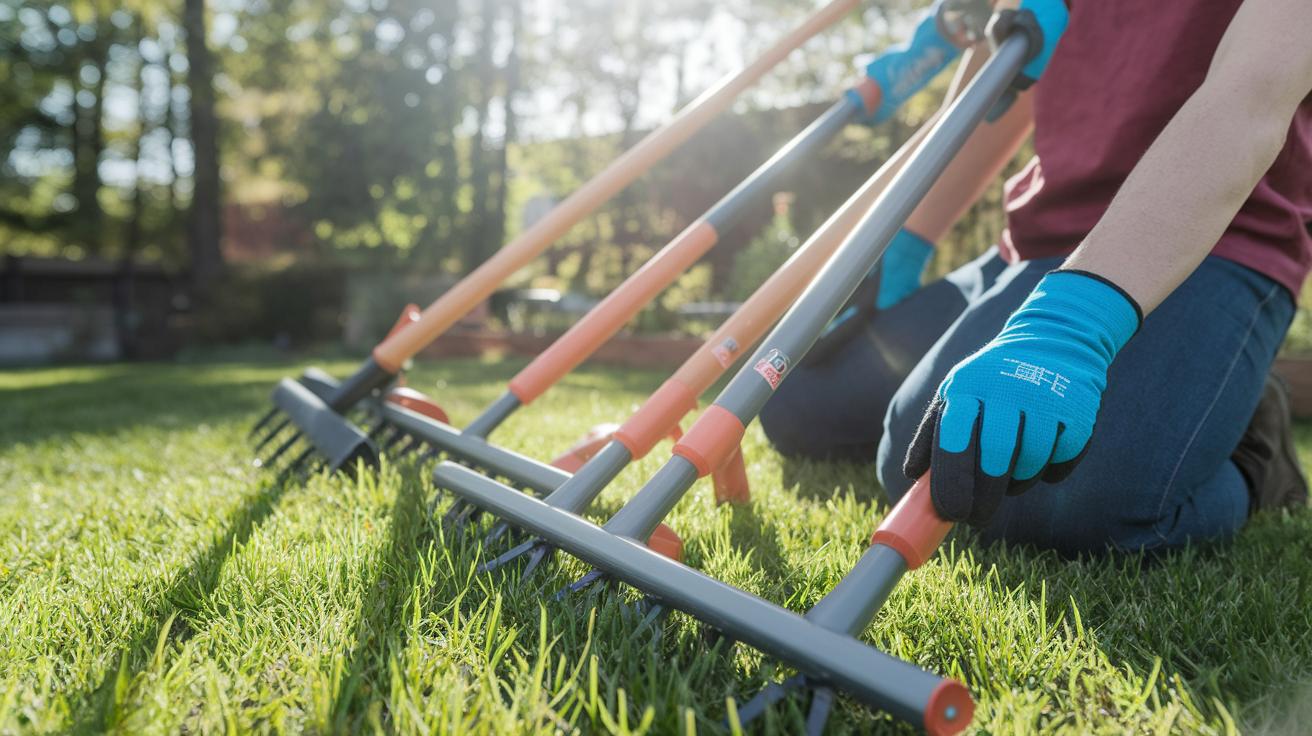
Ergonomic tools let you work in the garden for longer with less strain. Choose tools with handles that fit comfortably in your hand. Cushioned grips help reduce tiredness when you repeat motions. For big jobs, use tools with larger grips. For detailed work like pruning, pick smaller, precise grips. Many tools also have built-in safety features like blade locks to help prevent accidents.
Kneeling pads and adjustable kneelers can protect your knees and back. Set your kneeler so it evenly supports your body weight. Always check moving parts and the blade-lock before starting any task. Remember to clean your tools after each use to remove dirt. Replace cushion covers once they show wear. Doing this extends the life of your tools and keeps your joints safe. With well-maintained equipment, gardening becomes both efficient and enjoyable.
Final Words
In the action, you explored how a set of quality tools can make gardening projects smoother and more enjoyable. We walked through cutting, planting, watering, and support tools while noting simple care and safety tips. Each guide section showed how these tools help you work smarter and protect both you and your plants. Use these essential gardening tools as your trusted partners to create a thriving garden and build your hands-on skills with confidence. Enjoy every step and watch your garden flourish!
FAQ
What essential gardening tools should every gardener have?
The essential gardening tools include items like snippers, ratchet pruners, secateurs, planter bags, a hori hori knife, plant labels, a garden kneeler & seat, and a stand-up weed puller. These tools save time, reduce strain, and support healthy plant growth.
What is the 70 30 rule in gardening?
The 70 30 rule in gardening means that 70% of your effort goes to regular plant care and maintenance while dedicating 30% to planning new projects or improvements in your garden.
What is the 3-hour gardening rule?
The 3-hour gardening rule suggests that gardeners should limit intensive garden work to around 3 hours per session to prevent fatigue and maintain consistent productivity throughout the season.
Which brands offer the best essential or professional gardening tools?
The best gardening tools come from trusted brands known for durable, high-performance designs that professionals rely on for comfort, precise cutting, and long-lasting use in all garden tasks.