Feeling overwhelmed by all the home improvement ideas? You don't have to stress out over planning your renovation. With a clear plan, even the trickiest fixes become manageable.
This guide shows you how to:
- Set clear goals.
- Build a budget that works for you.
- Schedule easy-to-follow steps.
- Source materials wisely.
- Choose the right professionals.
Think of it as a simple roadmap that turns a jumble of ideas into clear, actionable steps. Soon, your project will flow smoothly and your home will feel refreshed.
Planning Your Home Improvement Project: A Step-by-Step Process
-
Define your renovation objectives. Start by listing what must be fixed, like a leaky faucet, and what would be nice to add, such as extra shelving. This makes it easier to explain your plans to a professional. For example, decide if a modern backsplash is a priority or just a fun option.
-
Create your budget. Write down the cost of materials, labor, upgrades, and permits. Add a 10% cushion in case something unexpected comes up. Using a spreadsheet to track supplier prices can help you keep things clear.
-
Schedule your timeline. Break the project into clear phases such as demolition, rough-in work (the initial setup before finishes), finishing touches, and the final review. Mark each step on your calendar to keep your work on track.
-
Select and source materials. Choose your fixtures and finishes early so you do not face delays. Gather quotes from different suppliers and compare options, including sustainable choices. For instance, note that countertop prices can vary by region.
-
Research and hire the right professionals. Depending on your project, you might need an architect, a general contractor, or a design-build firm. Collect at least three estimates so you can compare costs, communication, and reliability.
-
Submit permit applications. Check your local building codes and secure city or county permits for any structural, plumbing, or electrical work. This step helps prevent legal issues and unwanted work stoppages.
-
Prepare your home and monitor progress. Protect your belongings by covering items or moving them out of the work area. Set regular check-ins during the project to ensure everything is going as planned. You can also download our DIY project planning checklist to keep you organized at each step.
Defining Renovation Goals and Budget Estimation for Your Home Improvement Project

Start by writing down which changes are must-haves and which ones are extra. For example, if your kitchen sees a lot of use, note down ideas like replacing old cabinets or installing energy-saving appliances. This way, you can clearly tell essential work from nice-to-have updates.
Next, list every type of expense for your project. Many renovations cost between $80 and $200 per square foot, with kitchens and bathrooms often on the higher end. Break these costs into parts, labor, materials, finishes, and permit fees. Remember, materials might make up about 50% of the total cost. It’s a good idea to note that careful estimation of labor and finishing details is crucial.
Build a detailed budget using a spreadsheet. Include a 10% fund for unexpected expenses. Compare prices from different suppliers and consider local labor costs. This approach helps you check that the benefits outweigh the expenses before you commit to materials or hiring a contractor.
Finally, make your project decisions by comparing contractor bids. Look at clear factors like past work and pricing. Ensure every line item in your budget ties back to your renovation goals and contributes to increasing your home’s value. Taking the time to note even the small expenses will help keep your project on track from start to finish.
Creating a Project Timeline and Milestones for Your Home Improvement Project
Meet with your contractor to go over the project schedule and phases. Talk about steps like demolition, rough-in inspections, finish work, and the final walkthrough. For example, you could say, "Start demolition right away and plan rough-in inspections about 1 week later." This chat helps set clear expectations and lets you plan for any temporary inconveniences.
Write down your timeline with clear milestones. Here’s a simple list to follow:
- Pick a start date and finish demolition (the prep phase).
- Set up rough-in inspections so that all structural and utility work meets local codes.
- Mark a finish work date that leaves time for installing fixtures and materials.
- Plan the final walkthrough to check that everything meets permit guidelines and quality standards.
Also, include a payment plan. Start with a deposit of 25-50% of the project cost, then make payments as each milestone is reached. This method keeps your finances in check and helps hold everyone accountable. Use a home renovation timeline template to track these steps easily. With clear, measurable goals for each phase, you can monitor progress and avoid delays, ensuring your project stays on track.
Sourcing Materials and Emphasizing Sustainable Renovation in Your Home Improvement Project

Plan your major fixtures and finishes before you start building. This helps you avoid delays. Since materials often use up around 50% of your budget, use a simple spreadsheet to compare supplier quotes. Jot down notes about eco-friendly certifications. For example, mark if a supplier offers products that meet Energy Star or GreenGuard standards, such as "Joe's Lumber: Recycled steel, energy-efficient rating."
Choose materials that save money and cut environmental impact. Good choices are energy-saving LED lights and low-VOC (volatile organic compounds) paints, which help keep indoor air quality high. When you check products, look for third-party eco labels and ensure they meet local green standards.
Plan your orders with your project timeline in mind. Order supplies early to keep work on track. This simple step minimizes disruptions and shows your commitment to a sustainable renovation.
Key sustainable sourcing tips:
- Choose energy-saving lighting options.
- Pick low-VOC paints and finishes.
- Track supplier details and sustainability certifications in your spreadsheet.
Hiring and Managing Contractors for Your Home Improvement Project
Choosing the right contractor can change everything for your home work. Follow these six simple steps to find and manage the right expert for your renovation:
-
Define your project needs
Start by listing what work you want done. Do you need an architect, a general contractor, or a design-build team? Matching their skills with your project helps ensure good work and clear advice. -
Get several estimates
Ask for at least three bids. Compare costs, local labor rates, and how each budget is detailed. For example, ask, "What does this estimate cover?" This helps you plan your budget accurately. -
Interview candidates and check references
Talk with potential contractors to see how they plan and communicate. Ask about past projects and call references to be sure they deliver quality work that meets local codes. -
Confirm their licenses and insurance
Make sure your contractor has the right licenses, insurance, and credentials. This step is important to keep your project safe and in line with local rules. -
Agree on contract details and payments
Set clear contract terms. Plan payments with about 25–50% paid upfront and the rest linked to important project milestones. This way, you protect your investment and keep the work moving smoothly. -
Plan regular check-ins
Schedule regular updates and reviews as the project goes on. Consistent communication helps catch problems early and ensures the work stays on track.
Navigating Permit Guidelines, Regulatory Compliance, and Safety for Your Home Improvement Project
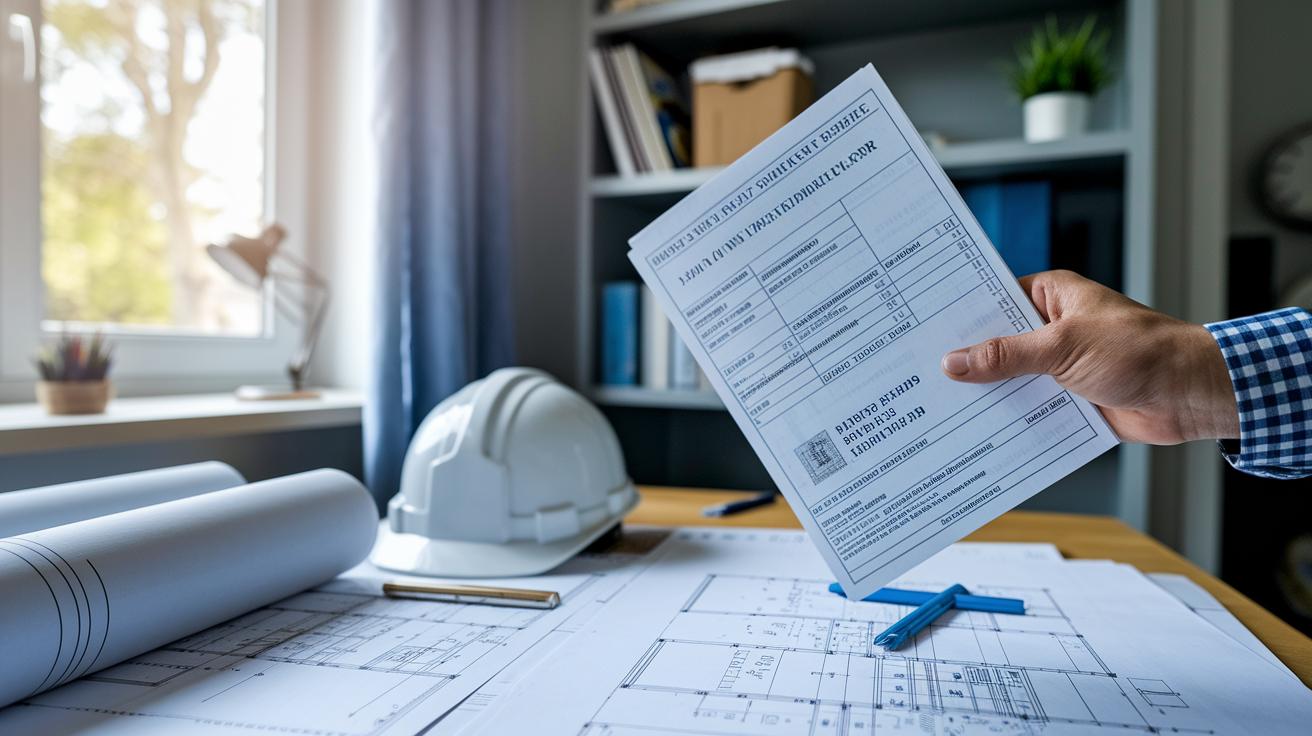
When planning your home improvement project, start by checking your local city and county permit rules. If you are working on structural, plumbing, or electrical projects, you will likely need permits and sometimes board approvals. Permit costs differ from place to place, and getting them can take 2–4 weeks. It helps to compare costs and benefits to make sure any changes fit your budget and goals.
Always look into your local building codes. Visit your building office or check online to see which permits are required. Knowing the rules from the start saves you time and prevents delays during construction.
Safety is important at every step. Always wear safety glasses and gloves, and secure the work area to protect your family and workers. Plan for inspections during the project and a final walkthrough to check that everything meets local codes.
Choose contractors who understand these permit and safety rules well. Their experience with time management and permit applications can help keep your project safe and on schedule.
Final Words
In the action, you’ve seen a clear breakdown of steps. We covered distinguishing must-haves from nice-to-haves, setting a budget, scheduling milestones, sourcing sustainable materials, finding and managing contractors, and handling permit and safety requirements. Every step builds your confidence and keeps projects on track. Following this guide on how to plan a home improvement project helps you stay organized and make informed choices. Keep the plan handy and adjust as needed. Enjoy the process and see your project come to life with steady progress.
FAQ
How to plan a home improvement project template
The planning template organizes key steps like setting goals, creating a budget, outlining a timeline, selecting materials, sourcing contractors, and applying for permits to help you stay organized throughout your renovation.
How to plan a home improvement project on a budget
Planning on a budget involves listing must-haves versus nice-to-haves, scheduling realistic spending limits, setting a contingency fund, and comparing quotes to keep your renovation affordable while achieving your vision.
How to plan a home improvement project for a house
Planning a house project requires defining clear renovation goals, estimating a detailed budget with a contingency fund, scheduling milestones, and coordinating tasks such as material selection and contractor management.
Step-by-step home renovation checklist
This checklist guides you through each phase of your home renovation, from setting project goals and budgeting to scheduling tasks, selecting materials, hiring contractors, and securing the necessary permits.
Home renovation project plan template
The project plan template lays out each essential step—from defining objectives and budgeting to scheduling work phases and managing contractor contacts—ensuring you track progress and meet deadlines efficiently.
Whole house renovation Checklist PDF
The downloadable checklist PDF compiles all crucial steps for a full-home renovation, including budgeting, scheduling, material sourcing, and contractor selection, providing a clear roadmap for your project.
Remodeling Checklist for contractors
The contractor checklist focuses on evaluating project scope, comparing bids, establishing a timeline with payment milestones, and ensuring safety inspections, all of which help manage a remodeling project effectively.
I want to renovate my house where do I start
Starting a home renovation means first defining your goals, creating a realistic budget, drafting a timeline, and identifying key tasks like sourcing materials and selecting contractors to guide the process from start to finish.
What is the 30% rule for renovations?
The 30% rule suggests spending about 30% of your home’s value on renovations, helping you budget wisely while aiming for updates that increase property value without overspending.
What adds $100,000 to your house?
Key improvements such as upgrading kitchens, modernizing bathrooms, boosting curb appeal, and installing quality fixtures can collectively add around $100,000 in value to your home.
What are the 5 steps in planning a renovation project?
The five steps include defining project goals, creating a detailed budget, scheduling a timeline, sourcing the right materials, and hiring qualified contractors to execute your plan effectively.
Is $75,000 enough to renovate a house?
Whether $75,000 is sufficient depends on the project’s scope and local costs; moderate updates may be possible, but detailed estimates and a contingency fund are recommended to avoid unexpected expenses.