Have you ever felt overwhelmed by the idea of remodeling a room all at once? Try breaking the project into smaller steps. Think of it like following a recipe where each step builds on the previous one. In this post, we explain how to set clear goals, handle tasks one at a time, and finish each stage with care. This approach can save you money, cut down on stress, and turn a big project into a set of easy, manageable tasks.
Strategic Phase-by-Phase Method for Room Remodel Planning
Start your room remodel with a clear plan. Think of it like following a recipe where each step builds on the last. Begin by writing down your goals and deciding what kind of update you need, a simple refresh, a few new touches, or a full transformation. For example, you might write, "I want a cozy reading nook with soft lighting and natural finishes."
This process has five main phases:
- Planning – Draw up your ideas like a basic blueprint. List your tasks and set clear goals so every detail matters.
- Demolition – Remove old materials. Decide if you need to rent a dumpster to keep the work area clean.
- Rough-In – Set up changes for plumbing, wiring, or structure. Hiring a licensed professional helps you stay on schedule.
- Finishing – Install flooring, trim, and paint in the right order. Usually, you install new flooring first, then baseboards, and finally paint.
- Decor – Add fixtures like lighting and window coverings to bring your design to life.
By following these clear steps, each task flows naturally into the next. Have you planned out your schedule? With a step-by-step approach, you can transform your room confidently and smoothly.
Strategic Spending Analysis and Fiscal Roadmap for Room Remodels

Break your room remodel into clear phases so you know where your money should go. Start by setting a budget for each part of the project, demolition, rough-in work, finishing, and decor. For instance, if the demolition will produce a lot of waste, plan extra funds to rent a dumpster big enough for all the debris.
Create a simple system to track your costs as they happen. You might use a checklist like this:
- Record contractor fees during the rough-in phase.
- Schedule purchases for flooring, trim, and other finishing materials.
- Set aside money for decor items to add the final touches.
Build a spending plan that shows when each expense should occur. Mark down a timeline to line up your spending with key project events. This way, you keep costs under control and avoid surprises later.
If you prefer a ready-made tool, try the home renovation budget template available in Excel at https://alphapix.org?p=141. It helps you record and monitor costs for every phase, so your spending matches your remodel plan every step of the way.
Economical Timeline Structure for Phased Room Remodel Scheduling
Break your remodel project into clear steps. First, plan your work in five phases: planning, demolition, rough-in, finishing, and decor. Set a realistic time goal for each phase based on your needs and contractor schedules. Write down key tasks for each stage and mark your target dates. This helps you keep track of progress and avoid delays.
- Planning: Spend time on design choices and budgeting.
- Demolition: Set aside time to remove old materials and prep the space.
- Rough-In: Book licensed contractors to handle plumbing and wiring. Confirm their start times to keep work moving.
- Finishing: Reserve time for flooring, trim work, and painting.
- Decor: Plan when to add lighting, window coverings, and other finishing touches.
Try using a daily schedule to track progress. For example, you might check the demolition progress on Monday and confirm rough-in details on Tuesday. Adjust your plan as you order materials or if contractor schedules change. A home renovation timeline template can help you print out dates and milestones. This clear timeline keeps your project on track and lets you adjust quickly if plans change.
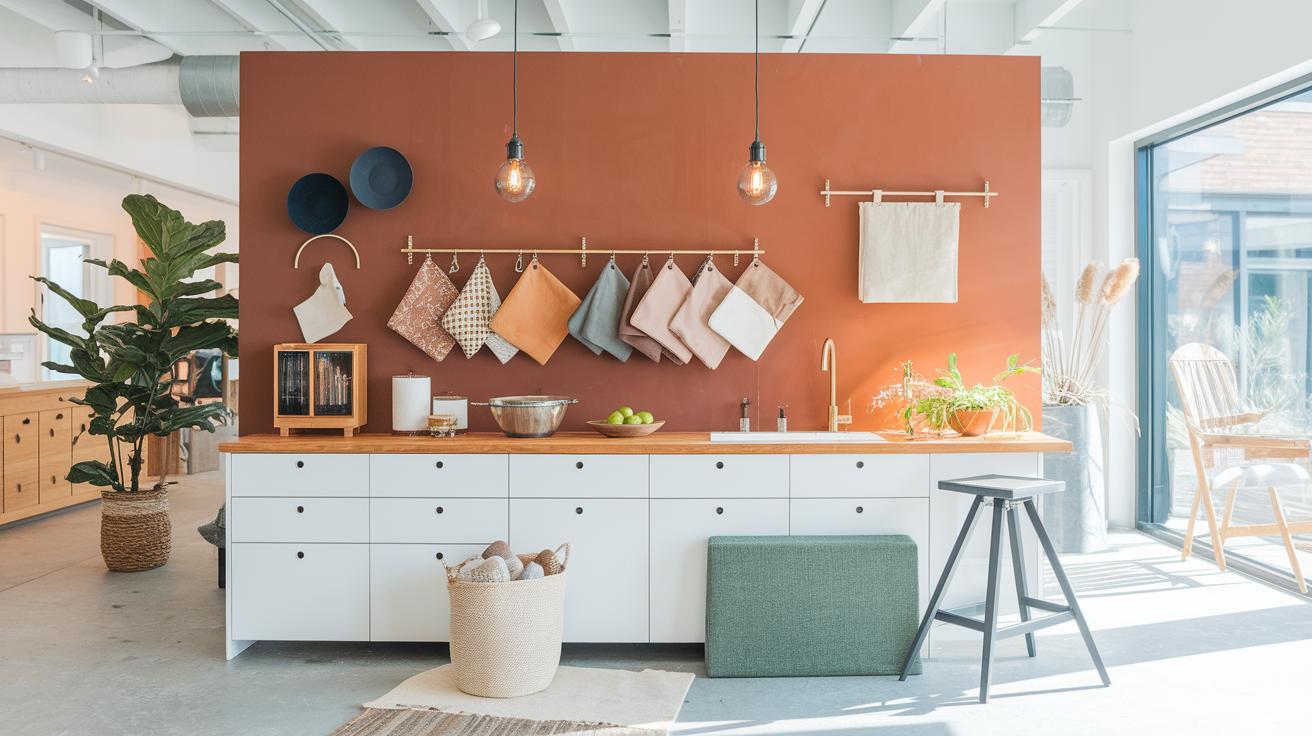
Staged Design Workflow and Material Texture Selection for Room Remodels
-
Begin by writing down your project goals. Decide if your project is a refresh, an update, or a complete renovation. For example, you might write, "I want a bright, modern kitchen with natural wood accents." This clear goal helps guide every design decision.
-
Create an inspiration board. Collect photos, fabric samples, paint swatches, and finish examples. Pin images that match your vision, like cozy living rooms with warm colors and a mix of soft textiles and reclaimed wood. This step makes your design ideas more concrete.
-
Form your visual concept. Arrange your collected pieces so you can see how they work together. Play with color schemes and texture choices, just like mixing ingredients in a recipe. Each element should blend with the next to create a unified look.
-
Draw a simple room layout. Sketch where each item will go, including furniture, lighting, and decorative accents. For instance, plan a layout with a large area rug at the center and seating arranged around it to ensure balanced spacing.
-
Finalize your design by coordinating colors and textures. Try different combinations until you find one that highlights your design goals. This clear plan makes it easier to communicate your ideas to contractors and material suppliers.
Sequential Transformation Guide to Room Remodel Demolition and Rough-In
We build on earlier demolition and rough-in work by adding clear checklists, a scheduling plan, and steps to meet code rules.
-
Create a checklist for every demolition and rough-in job.
Example: Remove old fixtures, disconnect outdated wiring, and map out new plumbing lines. -
In the demolition phase, estimate the debris volume to decide if you need a dumpster.
Example: Rent a 10-yard (9.1 m³) dumpster when removing heavy materials like tile and drywall. -
Schedule licensed contractors one after the other so their work does not overlap.
Example: Book the electrician after the plumber to keep the work area clear. -
Check building codes before making any structural or electrical changes.
Example: Get permit approval before moving a door or altering a load-bearing wall. -
Sketch the current room layout to plan new circulation paths.
Example: Draw the room and mark where new fixtures will go for smooth transitions.
Use these steps along with earlier phases to keep your remodel process clear and organized.
Step-by-Step Renovation Schedule for Final Room Remodel Construction

-
Clear out old materials and clean up the space. If you’re starting fresh, begin by laying your new floor. You can choose hardwood, laminate (a budget-friendly and tough option), or tile to form a strong base.
-
Install your carpentry elements next. Add baseboards, trim, and other woodwork so they fit neatly with the new floor. If you’re updating a room with existing floors, cover them with a drop cloth to catch debris.
-
Paint the room in one go. This helps cover any marks left from the carpentry work. Pick wall colors that complement both the new floor and the trim for a smooth look.
-
Update the doors last. This final touch boosts curb appeal and ties the room’s design together. For example, refresh an entry door with a color that matches the walls and floor for a balanced style.
Piecemeal Aesthetic Revamp: Decor Installation in a Room Remodel
Start by installing fixed lighting and window treatments. For instance, a bold sconce can turn an ordinary hallway into a bright focal point. Next, add smart lights that you can adjust from your phone. Set them to warm white around 10 pm for a cozy feel. You can also add built-in storage like custom cabinets or floating shelves to hide clutter and boost the room's style.
Arrange your furniture, artwork, fabrics, and plants to tie the look together. Try matching a simple bench with a striking piece of modern art to create a balanced, eye-catching setup.
| Step | Action |
|---|---|
| 1 | Install fixed fixtures (chandeliers, sconces, window coverings). |
| 2 | Set up smart lighting for adjustable brightness and color. |
| 3 | Add built-in storage that also serves as part of the decor. |
| 4 | Arrange furniture and accessories to complete the design. |
- Measure and mark where each fixture will go.
- Install the wiring and securely mount each light and fixture.
- Test the smart lighting system before final placement to ensure it works properly.
Progress Monitoring and Contingency Planning in Room Remodel Phases

Keep track of your remodel by setting clear milestones for each phase. Draw a simple chart or sketch a plan on paper with start and finish dates. Write down the key tasks so you can quickly spot any delays or overlaps.
Collect feedback often from your team and homeowners. For example, after the rough-in work, ask, "Did everything go as planned?" This quick check helps you adjust your plan as the work goes on.
Follow these steps to record your progress:
- Display major milestones on a chart.
- Meet weekly with your team to talk about any setbacks.
- Write down feedback from homeowners for helpful hints.
When delays happen, have extra funds ready to keep the project moving. For winter projects, plan for shorter working days or extra heating costs. Also, create a backup plan with clear steps for when a phase runs over schedule.
Plan a post-work cleanup to get the space ready for ongoing care. Use a checklist to make sure every task is done right, from removing debris after demolition to adding the finishing touches after decor installation. This careful planning helps you handle surprises and complete a successful remodel.
Final Words
In the action, you have a clear roadmap for taking a room remodel from initial planning to a finished space. The guide outlined a detailed sequence covering budgeting, scheduling, design, demolition, and decor installation. Each phase builds on the last, reducing confusion and helping you stay on track. Follow these step-by-step instructions to keep your project organized and stress-free. Use this guide as a resource on how to plan a room remodel in phases and enjoy a rewarding transformation of your space.
FAQ
How do I plan a room remodel in phases using a free PDF?
The free PDF offers a clear guide that organizes your remodel into planning, demolition, rough-in, finishing, and decor phases, helping you budget, schedule, and track progress step by step.
How can a phase-by-phase method simplify room remodeling?
The phase-by-phase method breaks down the project into clear stages, which minimizes confusion, saves time and money, and keeps work organized from start to finish.
What should I include in my budget for a room remodel?
Your budget should detail expenses for each phase—from demolition and rough-in to finishing and decor—so you can monitor spending and avoid cost overruns.
How do I create an effective timeline for a room remodel?
Build a timeline by setting realistic durations for planning, demolition, rough-in, finishing, and decor. Scheduling contractors and tracking key milestones keeps your project on track.
What are the key stages in a room remodel from demolition to decor?
The remodel stages typically include planning, demolition, rough-in, finishing, and decor. This step-by-step approach ensures every task is completed in proper order for a smooth transformation.
Why is contingency planning important during a room remodel?
Contingency planning offers flexibility by setting aside funds and time for unexpected delays. This method helps adjust the project schedule and keeps your remodel running smoothly.