Have you ever considered saving money on your home project by installing flooring yourself? Doing it on your own can cut labor fees, but if you're not fully prepared, small mistakes can turn into big expenses. This guide compares the cost per square foot of a DIY job with hiring a professional. We offer clear tips and budget details so you can decide which option suits your skills and savings goals. Keep reading to see if you want to roll up your sleeves or call in a professional for your next flooring project.
Side-by-Side Cost per Square Foot: DIY vs Professional Flooring Installation
DIY flooring work can lower your project costs by skipping labor fees. If you're an experienced homeowner with the right tools and some practice, you can save money by paying only for materials like flooring, underlayment (a supporting layer), and other supplies. Think about how much you could save by not adding labor charges.
On the other hand, hiring professionals means you pay extra for their work. This additional cost may make your budget a bit higher, but you get a strong, even finish. Professionals handle site preparation, fix uneven floors, and solve tricky corners easily. For example, spending a few extra cents per square foot can help prevent expensive mistakes later.
- DIY saves on labor costs but requires a high level of skill and time.
- Professional installation adds expert work, design insight, and quick fixes for issues like uneven subfloors.
A mistake in a DIY project can cancel out your savings. Knowing your skill level and comparing per-square-foot costs will help you decide the best approach for your project.
Understanding Self-Install Budgeting per Square Foot

Doing your own flooring installation can save you money, but it does take time and effort, especially if you're new to home projects. Choosing floors like laminate or click-lock vinyl makes the job easier because they are more forgiving for beginners. Even simple jobs need a good plan.
Start by making a list of everything you need. This means the flooring, the underlayment (a soft cushioning layer), and any special adhesives or fasteners. Each item has its own cost per square foot, and these costs add up. Then, think about the tools. You may need to rent or buy a saw, spacers, and tapping blocks. Renting tools might add extra cost as well. For more tips on budgeting for tool rentals and materials, check out How to estimate DIY project costs (materials + tool rentals).
- Write down all your material costs.
- Account for the expense of renting or buying tools.
- Estimate the number of hours you'll work on the project.
Also, remember that your time is valuable. Break the project into smaller tasks with clear time goals to see if your schedule can handle it. Adding these parts together gives you a realistic per-square-foot budget for your self-install flooring project.
Skilled Installer Fee Overview per Square Foot
Professional installers charge by the square foot, and their fee covers much more than just laying flooring. Their work includes labor, preparing the site, installing the underlayment (a cushioning layer), and cleaning up afterward. They also level the subfloor to fix uneven spots and carefully work through tight corners that can be tricky. This expertise helps avoid expensive fixes later on.
Certified installers add safety to the job. They use heavy-duty tools and handle large flooring planks with care. They follow standard steps and wear protective gear to lower the chance of injury and reduce waste. Their fee reflects not only the time they spend but also years of training and real-world experience. With their skill, every step meets quality and safety standards.
The price per square foot covers these areas:
| What It Covers | Description |
|---|---|
| Labor | All stages of the installation |
| Site Preparation | Leveling and placing the underlayment |
| Cleanup | Leaving a neat, finished surface |
While this may result in a higher total cost compared to a DIY project, the investment is worth it. You get a professionally finished floor that stands up to wear and looks great for many years.
Savings Potential and Cost-Saving Techniques
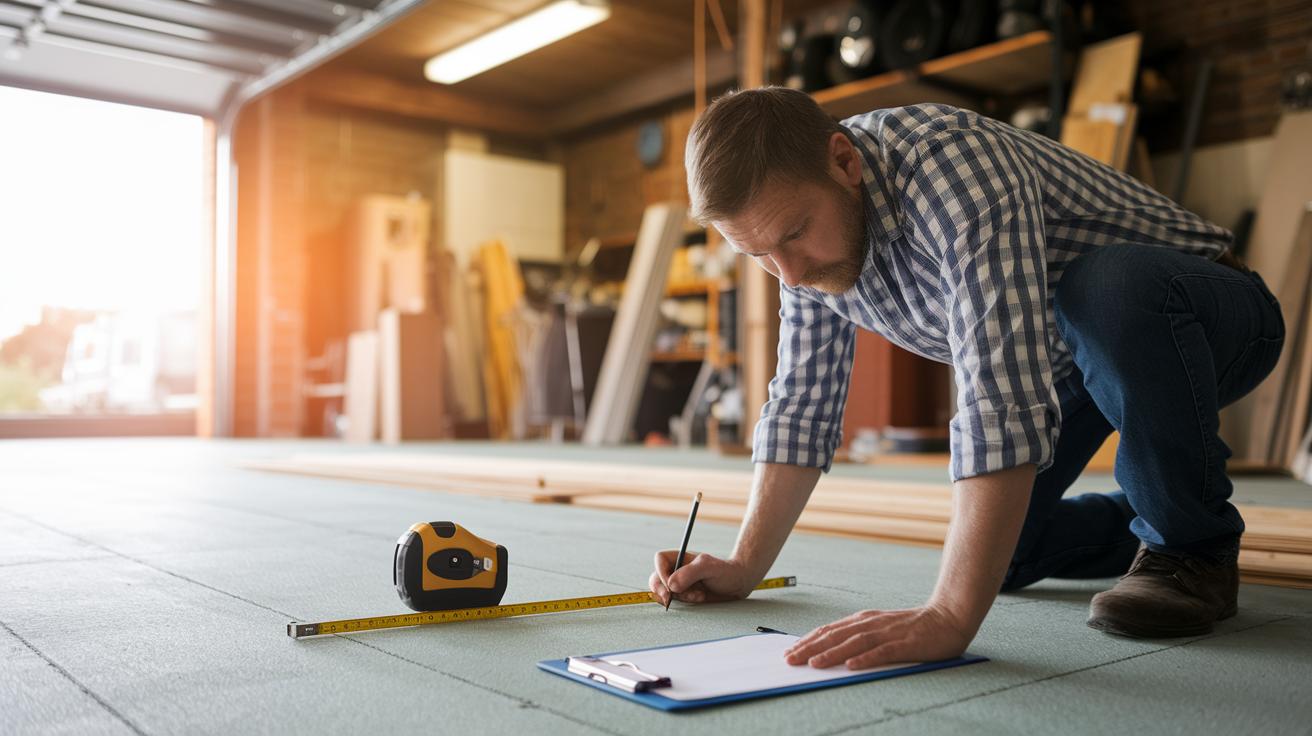
Save money by avoiding common DIY mistakes like wrong measurements or skipping proper subfloor preparation. When you take time to measure twice and prep carefully, you can cut down on extra costs and prevent future headaches.
Think about buying flooring and underlayment in bulk or during end-of-season sales. Doing so can lower material costs by up to 25% and may even help keep your project on track. For example, many homeowners use a DIY project budget template (https://alphapix.org?p=109) to track spending and plan their purchases.
When you need professional help, get multiple quotes and ask for itemized cost breakdowns. This ensures you get the best price and avoid overpaying for labor.
- Avoid errors that lead to extra expenses.
- Buy materials in bulk when you can.
- Compare and negotiate quotes from professionals.
Quality, Safety, and Risk Assessment in Flooring Installation
When you take on a flooring project by yourself, you face extra risks. Using power saws or moving heavy planks without the right training can lead to injury or mistakes. Missing proper safety gear can cause wasted materials and extra costs later. For instance, an incorrect use of a saw might crack a board mid-cut because safety steps were not followed.
Professional installers work with clear steps. They wear safety gear and check every stage of the job. This helps keep problems like uneven edges (lippage), gaps, or moisture issues under control. When an expert is on the job, hazards are quickly fixed before they turn into bigger issues.
DIYers must learn how to safely use heavy-duty tools. In professional setups, the labor cost covers more than just installation. It also means careful site preparation and cleanup. Paying for professional work not only means better installation but also a safer working environment and fewer call-backs.
- DIY projects come with a higher chance of injury.
- Pros follow controlled, safe procedures.
- Expert work helps reduce mistakes and extra time spent on fixes.
Decision Guide: When to DIY and When to Hire a Pro for Flooring Installation

Start by checking your own skills and the tools you have. If you’re experienced and own a basic tool set, you might do simple floors like laminate or click-lock vinyl on your own. For example, if you’ve laid a backsplash before and know your way around a circular saw, you can save on labor costs. Remember, doing it yourself means you only pay for materials. However, you need to invest time learning the right techniques and be ready for unexpected challenges.
Many homeowners prefer to hire a pro to ensure the job looks great. Pros can handle tricky layouts, level uneven subfloors, and work around tight corners with ease. Even though their fees are higher per square foot, the quality often pays off in the long run. Think about your project’s size, your schedule, and your budget. Ask yourself: Can I finish this on time? Am I comfortable using power tools and following safety rules? Would a mistake cost more than hiring help?
Consider these points:
- Check your comfort level with DIY projects.
- Look at how complex your flooring project is.
- Compare the cost savings against the risk of errors.
Your final choice should balance your skills, the project’s complexity, your budget, and the time you’re willing to invest.
Final Words
In the action, we compared DIY and professional flooring installation. We looked at budgeting, labor details, and safety tips. We broke down expenses, from material costs to tool rentals, so you can plan confidently. Our guide highlights that while DIY offers potential savings, professional work often justifies the extra cost with quality and speed. We hope these insights help you weigh options and tackle your project with clear expectations on flooring install cost per square foot (DIY vs pro). Good luck with your next project!
FAQ
What does the cost comparison between DIY and professional vinyl, wood, or laminate flooring installations mean?
The cost comparison factors in that DIY can save on labor but may lead to extra expenses if errors occur, while pro installation includes labor, site prep, and a polished finish.
Is it cheaper to install flooring yourself?
Installing flooring yourself can reduce labor costs, but tool rentals, time, and potential mistakes may narrow the upfront savings if you’re not experienced.
What does the rule of 3 in flooring installation mean?
The rule of 3 means if the last board is less than one-third of a full plank, you should adjust your starting cut to avoid a very short piece, ensuring a balanced look.
How much does it cost to install 1,000 sq ft of vinyl plank flooring?
Installing 1,000 sq ft of vinyl plank flooring typically costs around $2,000 to $7,000 based on material quality and whether you handle installation yourself or hire a pro.
How much does it cost to redo flooring in a 3,000 sq ft house?
Redoing flooring in a 3,000 sq ft house can range from about $9,000 to $21,000, with professional labor adding to material costs for a stress-free installation.
What factors influence local per-square-foot flooring installation costs?
Local per-square-foot costs depend on material choices, labor rates, site preparation, and market conditions; requesting multiple quotes helps you get accurate, competitive pricing.