Ever wonder if your renovation plan keeps you and your loved ones safe? Our checklist covers every important step. It starts with planning tasks like permits, risk checks, and choosing the right protective gear. Then, it shows you how to spot hazards and inspect your tools before you begin. We also explain how to set clear schedules and let your neighbors know about your project. This guide gives you peace of mind and a clear plan to protect your home. Begin with simple, step-by-step actions that build your confidence and keep your renovation on track.
Home Safety Checklist for Renovations: Comprehensive Overview
This checklist helps you cover all the safety steps during your renovation. It keeps you organized, protects your home, and makes sure everyone stays safe. Share your work hours, expected dust levels, and changes to driveway access with neighbors and family.
- Planning
- Permits
- Risk Assessment
- Structural Checks
- Electrical
- Fire Prevention
- Personal Protective Equipment
- Tool Condition
- Workspace Safety
- Post-Cleanup/Emergency Planning
Following this guide can protect your home and loved ones. It reminds you to plan well and inform nearby residents of your schedule and any disruptions. Always check for possible hazards like asbestos, lead, mold, or toxic chemicals in your materials.
Inspect your tools for issues such as dull blades or rust. Use the right equipment for each task to avoid accidents. Wear safety gear such as goggles, gloves, masks, steel-toed boots, and knee pads. Make sure your workspace is well lit with natural light or task lights.
This method lowers the risk of slips, electrical hazards, and fire. Taking these steps helps you complete your project safely and efficiently.
Home Safety Checklist: Pre-Renovation Planning and Permit Compliance

Plan your renovation carefully to keep your project safe and smooth. Set a clear schedule, get the permits you need, and do a risk check upfront. This early planning helps you manage dust, debris, and any access limits. A simple DIY planning checklist can guide you through each step.
Informing Affected Parties
Let your family, neighbors, and tenants know about your plans. Share your schedule, warn about dust, and mention any temporary restrictions to driveways or entries. Clear communication helps everyone know what to expect.
Permit and Code Compliance
Before you start, check that you have the proper permits and that your project meets local building codes. Visit your local building office or use a planning template to confirm that your demolition or construction follows current safety rules.
Conducting a Risk Assessment
Walk through your work area and look for hazards such as asbestos, lead paint, mold, or toxic chemicals. Also, check that walls, beams, and foundations are strong enough to support your renovations. Keep all permits, inspection reports, and related documents organized. This record shows that you planned carefully and keeps your project safe.
Home Safety Checklist: Risk Assessment
Before you begin any work, it is important to check your structure for potential issues. This risk assessment helps you find dangerous materials and weak spots.
Hazardous Material Inspection
Look for harmful chemicals that might be in older buildings. You can use a testing kit or call a professional to examine areas that might contain asbestos (a dangerous fiber), lead paint, or mold. For example, test window sills for lead paint before you start any stripping work.
Structural Stability Assessment
Check walls, beams, and foundations for cracks, decay, or signs of stress. Also, inspect floors, stairs, and walkways for loose or uneven spots that could lead to tripping. For example, use a level to confirm that beams are even.
| Hazard Type | Inspection Area | Recommended Action |
|---|---|---|
| Asbestos | Ceiling, Walls | Hire a certified abatement service |
| Lead Paint | Window sills, Trim | Seal or remove following code |
| Mold | Basements, Attics | Dry, treat, and ventilate |
| Trip Hazards | Floors, Staircases | Repair or block off the area |
Record all your findings and plan any repairs to ensure your project is safe from the start.
Home Safety Checklist: Electrical Safety and Fire Prevention
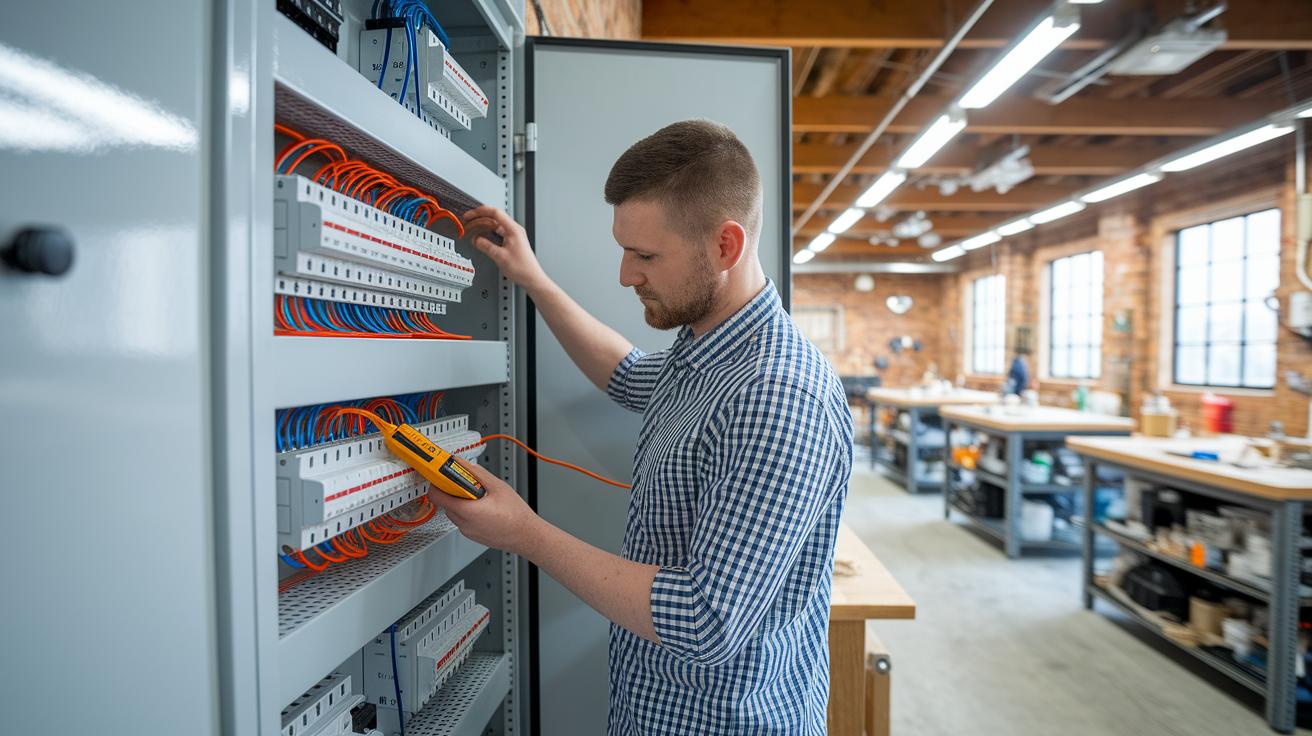
Before you begin any wiring work, always turn off the circuits at the breaker panel. Use a tester to check that no power is running. This simple step helps avoid shocks and prevents accidental short circuits. For example, switch off the correct breaker and test the outlet to be completely sure. Taking these precautions keeps your workspace safe.
Fire safety is crucial during any renovation. Install GFCI outlets (which cut off power if a fault is detected) in bathrooms, kitchens, and outdoor areas. Make sure every outlet is properly grounded. Keep the path to your breaker panel clear, and avoid overloading circuits with too many lights or power tools. Also, check that you have working smoke detectors on every floor and store flammable liquids like paint or solvents in sealed containers away from heat. These steps lower the risk of a fire starting unexpectedly.
Use wiring that meets code by choosing the right materials and following the manufacturer’s instructions. Make sure that all wiring, outlets, and fixtures meet local building codes. And if a task feels too complex, don’t hesitate to call a licensed electrician. This careful approach protects your home and makes your renovation safer.
Home Safety Checklist: Personal Protective Equipment and Workspace Safety
Wear your PPE every time you work. Safety goggles shield your eyes from flying bits, put them on when you're cutting wood to block small chips. Gloves keep your hands safe, while dust masks or respirators filter out harmful particles. Steel-toed boots protect you from heavy, falling objects, and knee pads plus sturdy clothing guard against scrapes and abrasions.
Prepare your workspace to reduce risks. Use bright, natural or focused lighting to see well and keep the area well-ventilated to prevent dust from building up. Clear away tools and debris from walkways to help avoid trips. Lay down dirt-control mats or similar items to handle dust and mud. A clean workspace not only cuts the risk of accidents but also keeps your project on track.
Before starting any task, check your tools carefully. Look over blades, cords, batteries, guards, and handles for any signs of wear or damage. For example, run your hand over a circular saw blade to make sure there are no rough spots. Follow the manufacturer's instructions during these inspections to spot issues before you begin working.
Home Safety Checklist: Work Zone Security, Debris Management and Emergency Planning
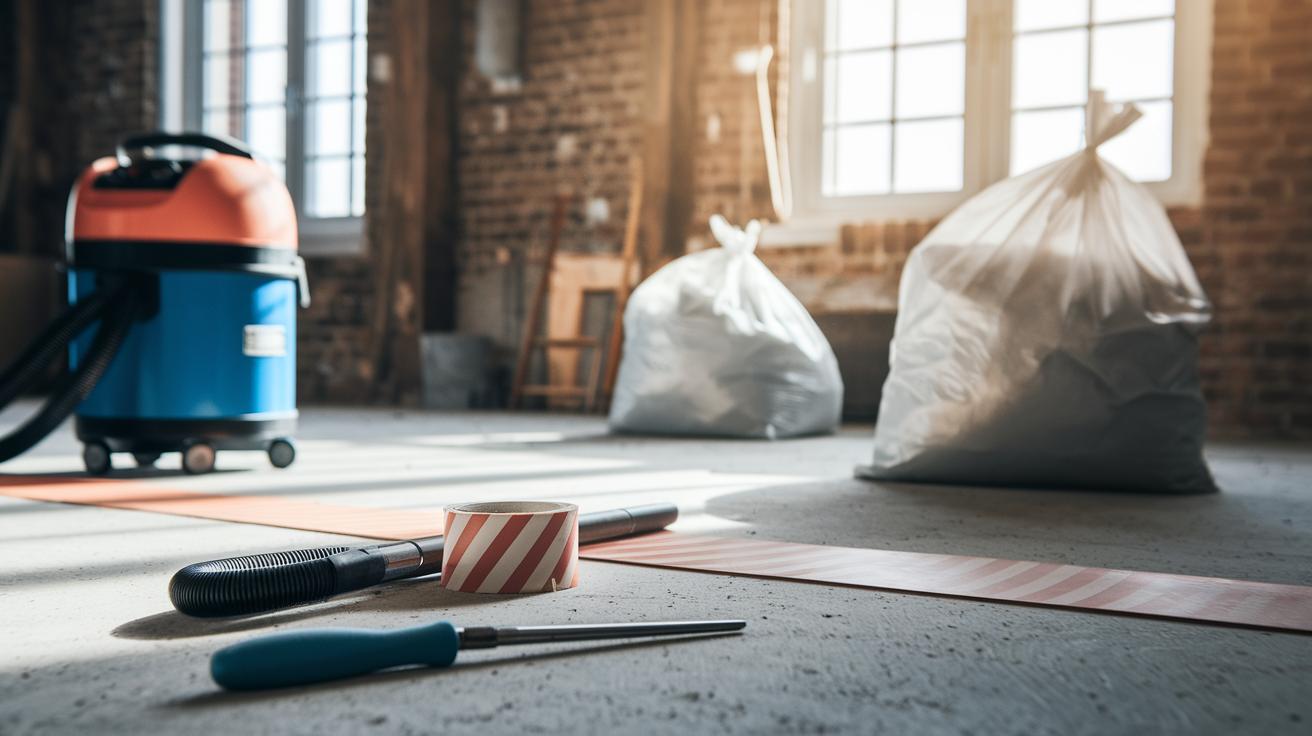
Once your renovation is done, clear the work area of nails, screws, and leftover scrap to avoid trips and airborne dust. Sweep or vacuum all surfaces and walkways, especially where debris might settle. Dispose of any hazardous items like paint cans, solvents, or asbestos properly by sealing them in bags and following local rules. Before you go back into the space, check that all permits are closed, inspections are passed, and you have the required code certificates. Test your smoke and carbon monoxide detectors, refill your first-aid kit, and make sure fire extinguishers are fully charged.
Secure the area by putting up barriers or clear signs to keep kids, pets, and strangers away from off-limits spots. Create an emergency plan that lists key contacts, shows evacuation routes, and explains what to do in case of a fire, chemical spill, or medical emergency. These steps not only clean up after your work but also cut down the risk of accidents, keeping your property and everyone in it safe.
Final Words
In the action, we planned, inspected, and secured our work zones. We reviewed permits, notified affected parties, and checked for hazards like toxic chemicals and structural issues. We confirmed our tools, PPE, and electrical setups were safe and reliable. Cleanup and emergency planning were the final steps to complete a safe project.
Remember, your home safety checklist for renovations keeps you on track and builds DIY skills. Keep moving forward with confidence and care.
FAQ
Where can I get a printable home safety checklist for renovations?
The printable home safety checklist for renovations is available online as a free PDF. It outlines essential steps to secure your workspace and protect everyone during renovation work.
Is there a home safety checklist for renovations PDF?
The home safety checklist for renovations PDF compiles key safety guidelines, including risk assessments, protective equipment use, and proper workspace organization to help manage hazards effectively.
What does a home health safety checklist cover during renovations?
The home health safety checklist covers identifying hazardous materials, checking tool conditions, and using proper protective gear to mitigate risks like slips, falls, and exposure to toxic substances.
How can I evaluate home safety before starting renovations?
The home safety evaluation process involves inspecting structural integrity, verifying electrical safety, and reviewing compliance with codes to help prevent accidents and protect both property and occupants.
What is included in the BSA home safety checklist?
The BSA home safety checklist includes guidelines for pre-renovation planning, risk assessment, and emergency response preparedness to ensure that safety measures are in place throughout the project.
How does a safe space checklist assist during renovations?
The safe space checklist assists by identifying essential measures such as proper lighting, tool inspection, and clear work zones, helping you create a secure and organized environment for renovation activities.
What is the Webelos My Safety checklist about?
The Webelos My Safety checklist offers a simple guide for young participants to learn about personal safety during projects by outlining basic hazard identification and safe practices in a home setting.