Have you ever thought that your kitchen might hide safety risks? The room where you prepare meals should be safe, but things like sharp knives and loose cords can create hazards, especially for kids. This post lays out clear steps to help you secure your cooking area. By tackling these risks early, you can enjoy mealtime with peace of mind and keep your family safe.
Kitchen safety Shines: Clear Steps for Prevention
Kitchens can be dangerous every day. Small children are especially at risk, so always keep them away from hazardous areas unless you’re watching closely. Sharp tools, loose cords, and harmful chemicals can lead to accidents quickly. Stay alert and clear these dangers as soon as you spot them.
Set simple kitchen rules so everyone knows how to stay safe. When you establish clear boundaries, like avoiding risky actions and asking for help when unsure, you make the kitchen a secure space for everyone. Organizing your workspace helps reduce hazards and makes cooking more enjoyable.
- Remove sharp objects and loose cords from counters
- Keep a first aid kit close at hand
- Wash your hands for 20 seconds before and after preparing food
- Wear well-fitting clothes and tie back long hair
- Always watch food appliances closely
- Agree on clear do-not-touch rules
These straightforward steps build a solid foundation for kitchen safety. Clearing dangerous items and following routine safety practices protect both adults and kids during meal prep. Clean counters lower the risk of cuts and burns, while a ready first aid kit offers extra peace of mind. Washing your hands thoroughly reduces germs and keeps the kitchen hygienic. Follow these tips to create a safe space where you can focus on preparing great meals with confidence.
Kitchen Safety: Fire Awareness and Grease Fire Management
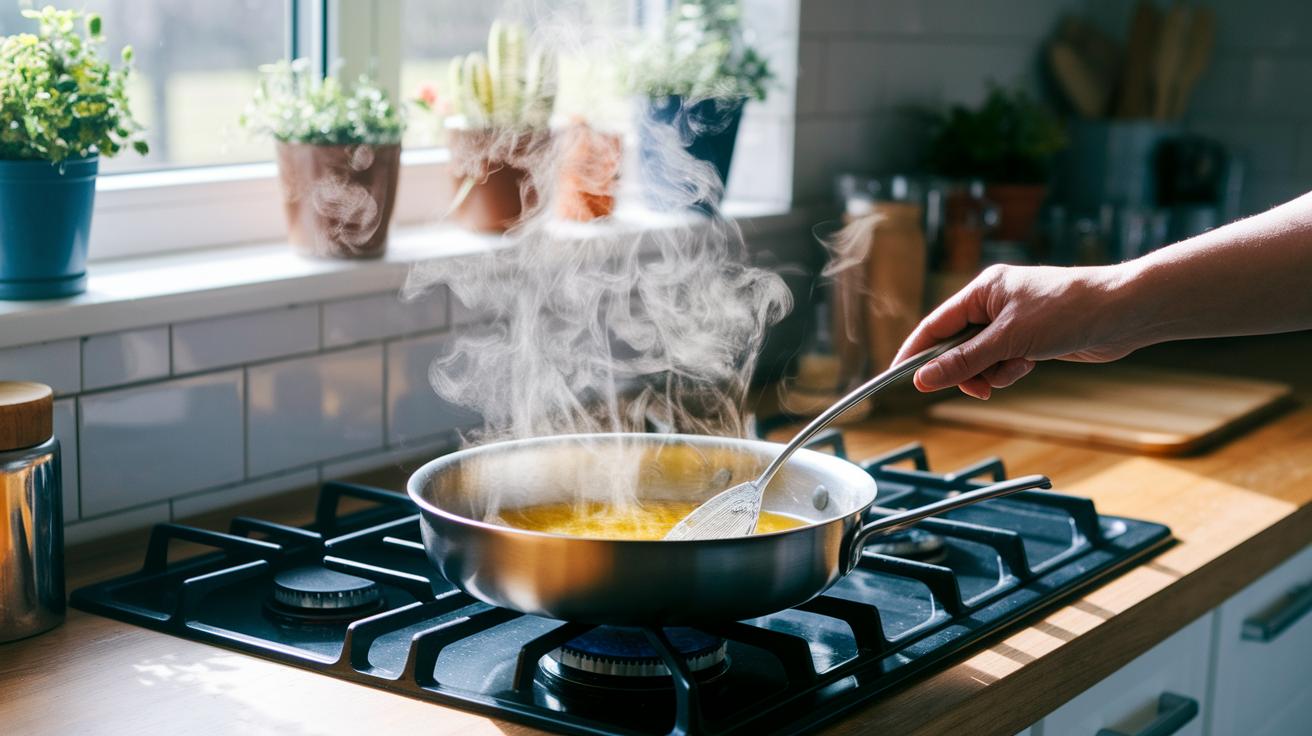
Kitchen fires often start when equipment is left on or oil gets too hot. Leaving a stovetop on or not watching heated oil, even for a few seconds, can quickly cause a dangerous situation. Always check that your appliances are off before you leave the kitchen.
Common Kitchen Fire Hazards
Unattended stovetops are a big risk. When you leave a pan on the burner, the oil can overheat and catch fire. Grease buildup on your vents or range hood can block proper airflow and trap heat. Keep a close watch on your cooking, especially when using oil, to stop a fire before it starts.
Grease Fire Prevention
Regularly clean your range hood and nearby surfaces to reduce grease buildup. Never leave hot oil alone; it only takes a few seconds for it to become dangerous. If you see smoke or a small flame in a pan, cover it immediately with a lid. This quick step helps smother the flame and stops a growing grease fire.
Fire Extinguisher Use
For kitchen fires, use a Class K fire extinguisher (made for kitchen fires). Remember the PASS method:
- Pull the pin.
- Aim the nozzle at the base of the fire.
- Squeeze the handle.
- Sweep the spray evenly across the flames.
Practice these steps so you’re ready to act quickly if a fire starts. This approach helps keep your family and home safe.
Kitchen Safety: Appliance Inspection and Maintenance
Check cords and plugs for damage. Look closely to see if the wires are whole and free of fraying. Watch for exposed insulation or loose fittings. If you find any worn parts, replace them right away to avoid shocks or sparks. Keeping cords organized and away from countertops also helps prevent trips and snags.
Test your GFCI outlets and ground connections. These outlets shut off power if they detect even a small leak, which helps reduce the risk of shock. Use an outlet tester or follow the manufacturer’s instructions to be sure the outlets work correctly. Doing this simple check keeps your appliances safe from unexpected electrical issues.
Clean vents and filters on ovens and hoods regularly. Removing the built-up grease and dust helps your equipment perform well and reduces the fire hazard. Always keep an eye on electric appliances like blenders, mixers, or devices boiling water, and unplug them after each use. These routine steps help maintain a safe and reliable kitchen environment.
Kitchen Safety: Knife Handling Best Practices

Keep your knife blades sharp so you can cut with less effort. A sharp knife helps the blade slide easily through food, reducing the chance that it will slip. Always use a sturdy cutting board with a non-slip surface, or secure it with a damp cloth underneath. This simple step can help prevent many common injuries.
Hold the knife firmly by pinching the handle near the base of the blade. Always cut away from your body and tuck your fingers safely on your free hand. When chopping or slicing, keep your focus on the task and avoid distractions like phone calls or loud background sounds. A steady hand and clear mind make a big difference.
Store your knives in a block or on a magnetic strip where children cannot reach them. This not only helps protect little hands but also keeps the blades safe from accidental contact with other items.
Kitchen Safety: Preventing Cross-Contamination and Ensuring Hygiene
Clean hands and surfaces are the first step in a safe kitchen. Wash your hands with warm water (about 98°F/37°C) and soap for at least 20 seconds. Scrub under your nails and even up to your elbows. Clean up spills right away to stop bacteria growth and avoid slips. This keeps your kitchen clean and helps prevent germs from spreading.
Keep raw and cooked foods separate. Use different, color-coded cutting boards and utensils for items like raw meat, poultry, or fish. Reserve one set for raw foods and another for ready-to-eat items like salad. This method stops harmful bacteria from moving between foods and reduces the risk of foodborne illnesses. You'll feel confident that every meal is prepared safely.
Choose sanitizers made for food preparation areas. Follow the manufacturer’s instructions carefully, especially the time the cleaner should remain on the surface (contact time). This step makes sure that germs are fully removed from countertops, utensils, and kitchen appliances. By following these simple steps, you help protect your family's health and keep your food safe.
Kitchen Safety: Childproofing and Slip-Fall Prevention

Kitchens can be risky for kids. Remove hazards and set clear limits in your kitchen. Move sharp appliances, dangling cords, and loose items off counters. If your children are in the kitchen, use tools that suit their size and keep harmful items out of reach. Always watch your kids closely to avoid accidents.
Create a safe zone where children can help with easy tasks while you supervise them. Set clear rules to keep them away from hot surfaces and heavy equipment. Designate specific work areas and remove all risky items from those zones. This clear structure helps everyone understand which parts of the kitchen are off-limits.
Place non-slip mats near the sink and stove to lower the risk of falls on wet or greasy floors. Fasten rugs and mats with slip-resistant backing or tape at the edges. Non-slip mats soak up spills and give a firm footing. They reduce the chance of slips and keep the workspace neat and safe for both kids and adults.
Kitchen Safety: Emergency Response and First Aid
Build a solid first aid kit for your kitchen. Include burn gel, bandages, antiseptics, and scissors. Store the kit in a waterproof container away from heat. Don't forget to add a list of emergency contacts and post local emergency numbers where you can see them.
Keep a small bottle of burn gel meant for heat injuries. Add bandages in different sizes along with gauze and medical tape. Check your kit every month. Replace any expired or worn items and update your emergency contacts to ensure a quick response during accidents.
If you get burned, run cool water over the area for 10 minutes and then use burn gel. If the burn is severe or covers a large area, call 911 immediately. For minor burns, gently clean the area before applying a sterile bandage. In case of a fire, use a fire extinguisher only if you can do so safely and follow its instructions carefully.
Kitchen Safety: Comprehensive Checklist and Protective Gear

Start by using our free printable tool to set up a secure cooking space. This checklist gives you the basic items you need to keep your kitchen safe. It works for beginners and experienced cooks alike. With a simple list, you can quickly check that all your safety gear is ready. For example, when you look at your first aid kit, you know exactly what to find to treat small cuts and burns fast.
| Checklist Item | Purpose |
|---|---|
| First Aid Kit | Treat cuts and burns |
| Fire Extinguisher | Put out grease fires |
| Non-Slip Mat | Stop slips and falls |
| GFCI Outlet Test | Check electrical safety |
| Sharp Knife Block | Store blades safely |
| Silicone Oven Mitts | Shield hands from heat |
This checklist helps you cover everyday safety needs in the kitchen. By confirming each item is at hand and in good shape, you cut down on accidents and make cooking more fun. Each piece plays an important role, from preventing falls with a non-slip mat to keeping knives securely stored. When you have the right gear, your kitchen becomes a place where you can cook with confidence.
Download the free PPE checklist for DIY projects and print it out to keep track of your kitchen safety plan.
Final Words
In the action, we explored core kitchen safety measures. We reviewed proper handling of sharp tools, clear rules, and appliance checks. We also covered fire awareness, proper knife practices, childproofing, and ready emergency plans.
Keep these steps in mind when planning your projects. Following straightforward precautions builds practical skills and keeps your cooking area secure. Embracing proper kitchen safety today leads to confident project completion tomorrow. Enjoy a safer, more efficient space for your next home improvement task!