In the U.S., fire departments answer a call every 24 seconds. This surprising fact shows why fire safety matters in every home, workplace, and public space. In this guide, we explain simple actions you can take: check your wiring, keep exits clear, and store flammable items safely. Think of it like getting your car ready for a long drive. With these clear, step-by-step tips, you can help protect lives and property.
Critical Fire Safety Measures for Home, Workplace, and Public Spaces
Fire safety measures keep people and property safe. The National Fire Protection Association tells us that a fire department in the U.S. answers a call every 24 seconds. In 2023, faulty wiring caused 7,400 fires in non-residential buildings, costing about $354.4 million. These facts show why you cannot delay preparing for a fire emergency.
Start by checking for potential hazards. Walk through each room to spot issues like overloaded circuits, cluttered spaces, or flammable items stored incorrectly. Think of it like checking your car’s gas tank before a long trip. Regular inspections help catch small mistakes and any signs of arson. In busy settings, even a blocked fire extinguisher can lead to big problems.
Adopt these safety strategies:
- Inspect electrical systems and wiring regularly.
- Store flammable materials properly, especially in kitchens, workshops, and storage rooms.
- Keep aisles and exits clear to prevent clutter build-up.
- Schedule routine maintenance for fire alarms, extinguishers, and sprinkler systems.
- Practice fire drills and emergency procedures with everyone.
Putting these steps in place is vital in both homes and commercial spaces. A strong fire safety program checks risks regularly and takes clear steps to reduce hazards. By following these practices, you meet local fire codes and build a culture of safety that can help reduce damage if a fire occurs.
Conducting Fire Hazard Assessments for Effective Fire Safety Measures
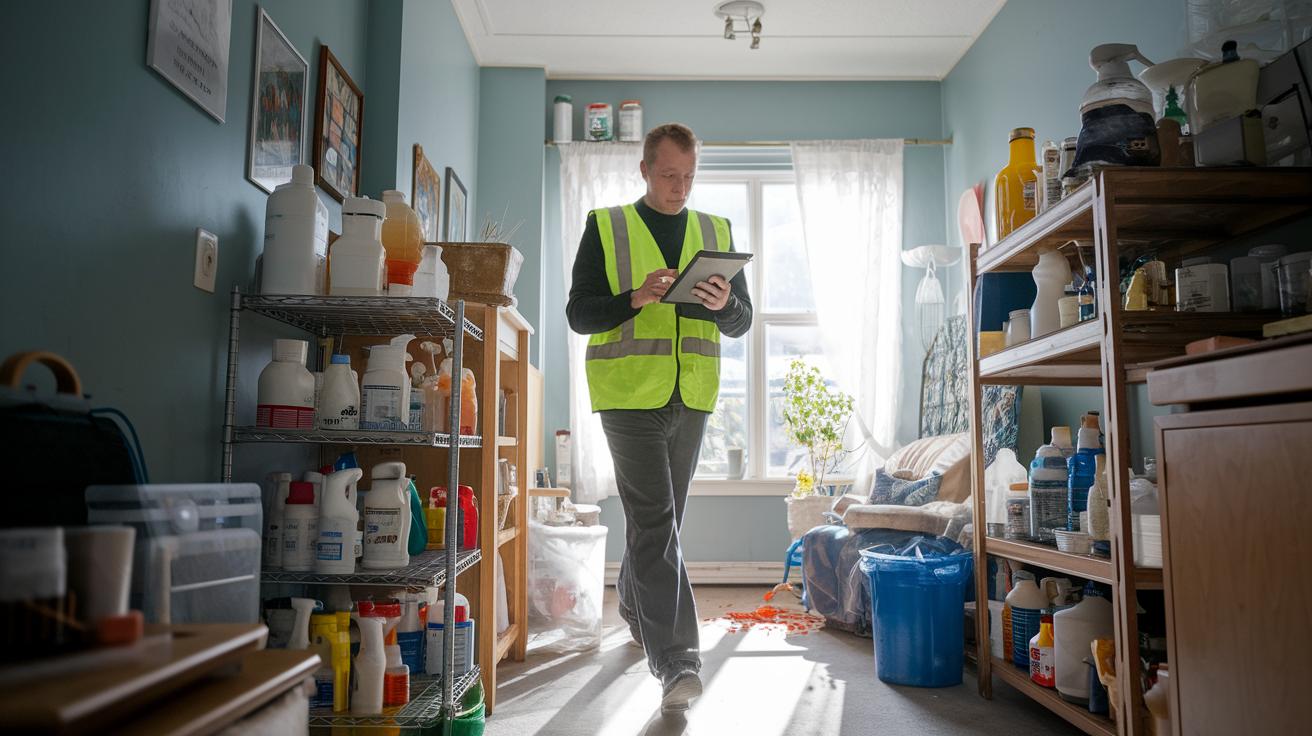
Start by taking a walk through each room. Look for risks like too many plugs in one outlet, leaked chemicals, piles of combustible debris, or messy workspaces. Use a simple checklist to mark any issues such as worn wiring or flammable materials kept close to heat sources. Even small slip-ups can lead to serious problems.
Next, check the layout of the building. Measure the spaces between key areas to be sure there are clear, unobstructed exit routes in an emergency. In homes, pay close attention to kitchens, garages, and living rooms. In commercial spaces, inspect equipment zones and storage areas for hazardous items.
For a complete assessment, follow these steps:
- Check electrical panels and wiring for overload risks.
- Measure distances between exits and potential hazard zones.
- Inspect storage areas and room layouts to ensure chemicals and flammable items are safely contained.
- Examine equipment for signs of overheating or malfunctions.
- Clear clutter and debris from main walkways right away.
- Review cleaning practices to prevent a build-up of fire fuels.
This checklist helps improve your current fire safety measures by bringing all the key checks into one clear, simple plan.
Active Suppression Protocols in Fire Safety Measures
Active suppression protocols act fast to control fires, reduce damage, and keep people safe. These systems work in many ways. Choosing the right one depends on where it is used and the type of fire risk present. Each system must be installed with care. They use parts like backflow prevention assemblies (which stop the suppressant from flowing the wrong way), strong fire pumps to keep pressure steady, and they connect to alarm panels for a quick alert. Portable extinguishers help fight fires early while the suppression system kicks in.
Key active suppression systems include:
- Foam-water systems work well on flammable liquid fires, such as those in factories or fuel storage areas.
- Pre-action systems mix early fire detection with water release. They are used in places like data centers and museums where unwanted water damage must be avoided.
- Deluge systems spray water from many nozzles at once, making them ideal for high-risk areas like chemical plants.
- Dry-pipe systems keep pipes empty until a fire causes heat enough to trigger the system. They are best for places prone to freezing temperatures.
- Wet-pipe systems always have water in the pipes and are common in most buildings.
- Water-mist systems use a fine spray to cool fires and reduce smoke. They work well in enclosed spaces or areas with limited water.
Local codes require you to inspect and maintain these systems regularly. It is important to test the alarms to ensure they trigger when needed and correctly connect with central fire alarm panels. Routine checks let professionals verify that each part meets standards and that any damage is fixed quickly. Regular inspections keep all system parts, from fire pumps to sprinkler heads, fully operational. Using these suppression protocols, along with periodic professional reviews, gives you confidence that fire hazards will be contained quickly and effectively, keeping homes, workplaces, and public spaces safe.
Passive Protection Design Strategies for Fire Safety Measures
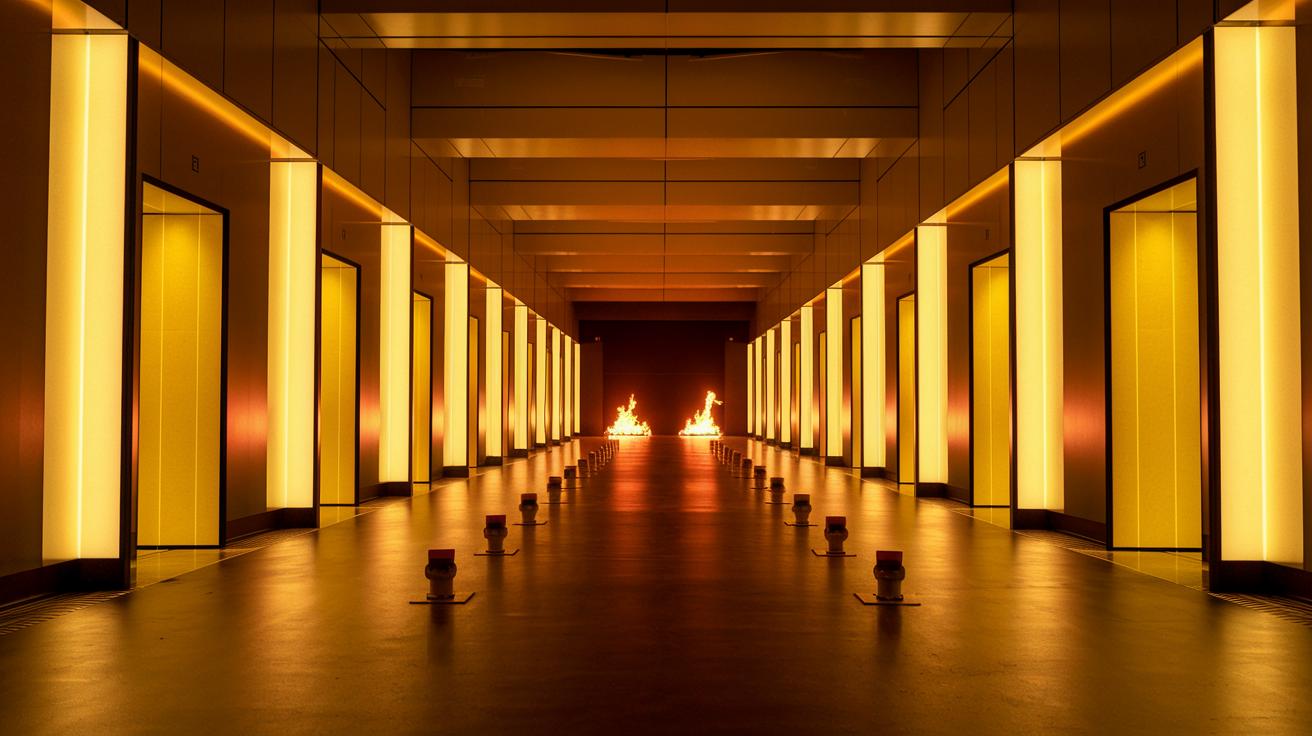
Passive fire protection uses built-in barriers made from fire-resistant materials and smart layouts. These design features slow the spread of fire and help keep people safe without relying on mechanical systems.
Key parts of these designs are walls, floors, and doors that can handle very high temperatures. They act like shields to stop the fire from moving quickly between spaces. For example, a fire-rated wall in a home can give occupants extra minutes to exit safely.
Another important approach is compartmentalization. This means dividing a building into smaller sections. If a fire starts in one area, it stays confined instead of spreading fast. Think of a restaurant where the kitchen and dining hall are separated by a fire-rated partition. This design means a fire in the kitchen is less likely to affect the dining area.
Other techniques include building strong structural barriers and checking load-bearing capacities (the parts that support weight) to keep the building safe during a fire. Many designs add fireproof coatings and insulation to further protect surfaces.
These passive measures work alongside active systems like sprinklers. They give people more time to evacuate and help fire teams do their job better. Using both fire-resistant designs and compartmentalization can greatly reduce fire risks and create safer spaces for everyone.
Evacuation Route Planning within Fire Safety Measures
Begin by drawing clear paths from every room to safe exits. A solid plan for escape helps everyone get out fast during a fire. Use bright exit signs and place floor-marking tape to guide people along the safest routes. This is especially important in break rooms and offices since 20% of workplace fires start there.
Next, create and post a map that shows both main and backup exits. Hang these maps near elevators, stairwells, and in common areas so they are easy to spot.
Make sure there is emergency lighting to light up the way if the power goes out. This kind of lighting is crucial in dark hallways or when smoke makes it hard to see.
It is also wise to schedule regular practice drills. These drills help everyone learn the escape routes and show if any path is blocked or unclear. After each drill, update the plan if the building layout changes.
Follow these steps:
- Identify main and backup exit routes for all key areas.
- Install bright exit signs and secure floor-marking tape along these paths.
- Post detailed route maps in busy areas for quick reference.
- Set up emergency lights along hallways and stairwells.
- Organize regular drills and review the plan after each one.
- Update the evacuation plan as needed if the layout or conditions change.
These actions help ensure a quick and orderly exit during emergencies. Regular practice and clear markers build confidence and readiness in the building.
Electrical Hazard Prevention in Fire Safety Measures

In 2023, faulty electrical systems were linked to 7,400 fires outside homes. Regular checks and upkeep can lower these dangers.
Start by looking over your wiring and circuit loads. Look for worn-out or overheated wires. Replace damaged wires right away. Routine checks catch problems early before they become risky.
Next, check your grounding system. Grounding (tying the electrical system to the earth) stops stray currents that can make sparks. Make sure all metal parts that might get live are securely bonded.
When installing a new electrical panel, hire a licensed electrician. This makes sure your panel meets building codes and works safely. If you’re working on a project yourself and wonder when to ask for help, check out the guidelines linked in "electrical safety for DIYers (when to call an electrician)."
It is important to schedule audits for code compliance. Regular audits help you see how the system is working and spot any parts that don’t meet current rules. These checks not only find issues but also help plan upgrades for safer conditions.
If an incident occurs, carry out a formal investigation. Look into what went wrong to stop similar problems in the future.
Follow these steps:
- Check wiring and circuit loads.
- Look after proper grounding.
- Use a licensed electrician for panel installation.
- Schedule regular compliance audits.
- Investigate incidents to learn and improve.
Keeping up with these maintenance practices and code audits builds a strong defense against electrical hazards and makes your space safer.
Training and Community Awareness for Sustaining Fire Safety Measures
Create training programs that teach how to use a fire extinguisher with the PASS method (Pull, Aim, Squeeze, Sweep). For example, say: "Pull the pin out, aim at the base of the flames, squeeze the handle, and sweep the nozzle side to side." This practice builds confidence in using extinguishers during an emergency.
Plan fire drills that follow OSHA's 1910.39 guidelines. Hold sessions in workplaces, schools, and hospitals so everyone can practice evacuation and proper protocols. Set up a mini scenario where participants must use designated routes and find the proper exits and gathering spots.
Run community awareness campaigns that focus on reducing fire risks. Organize local meetings and hands-on workshops where people learn about potential dangers and safe fire prevention methods. In schools, include lessons on emergency planning with interactive activities like mapping escape routes. Hospitals can run drills that simulate real medical and fire emergencies.
Key training steps include:
- Introduce the PASS method for extinguisher use.
- Walk through designated evacuation routes.
- Conduct regular, OSHA-compliant fire drills.
- Host community workshops on lowering fire risks.
- Hold focused sessions on emergency planning in schools and hospitals.
Combining these training programs and community events helps build a strong safety culture. With practical skill practice and ongoing education, occupants and professionals are better prepared to act quickly during a fire, reducing the risk of serious injury or damage.
Fire safety measures empower safe environments
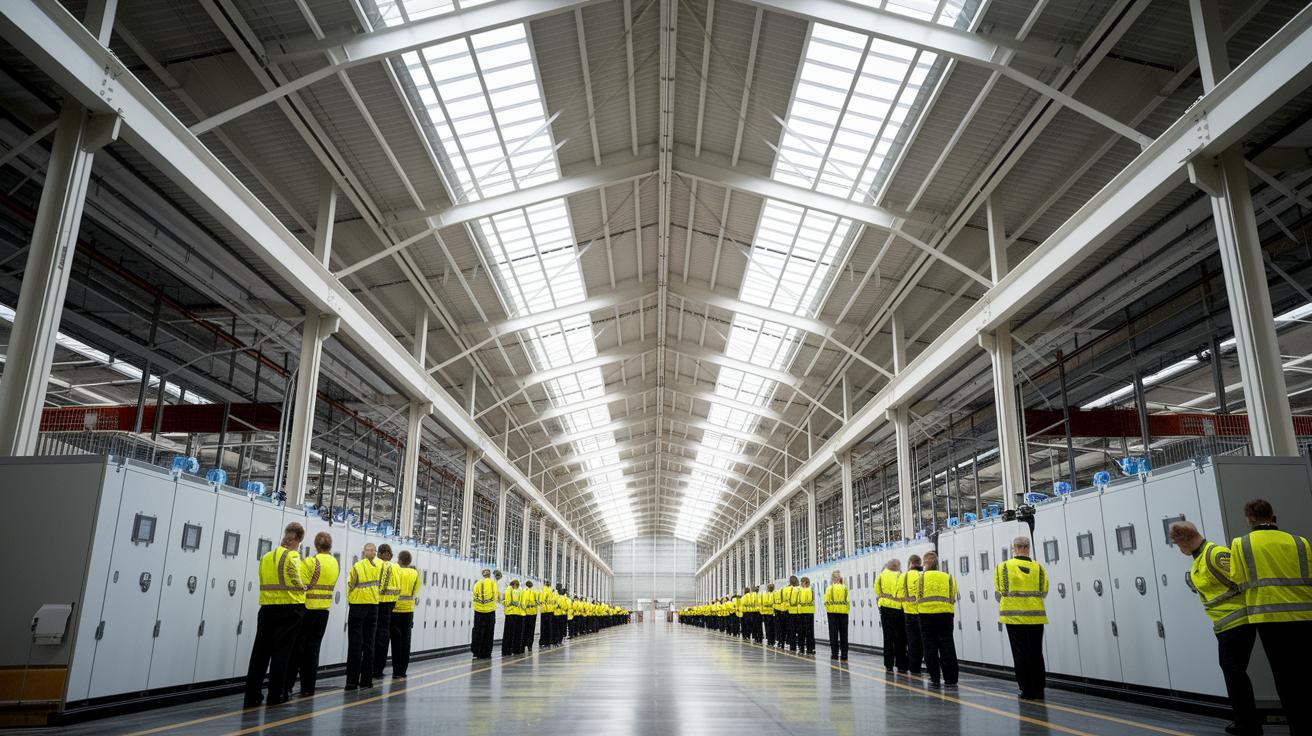
Regular fire safety checks do more than protect property; they save lives. For example, a Seattle warehouse performed quarterly sprinkler and alarm inspections. These routine checks helped the staff catch early warning signs so they could make quick repairs. Small fixes kept the fire system in top shape and prevented major losses.
In another case, an Oregon community in a wildfire-prone area set up a solid fire prevention plan. They performed regular equipment checks and made smart home safety upgrades. In 5 years, these actions cut home losses by 30%.
Here are the key lessons:
| Action | Benefit |
|---|---|
| Regular inspections | Early discovery of issues |
| Combining maintenance with community plans | Stronger local fire safety |
| Investing in prevention | Long-term savings and less damage |
These examples show that fire safety measures are smart investments. They support safe work sites and homes, protecting both lives and property.
Regulatory Compliance and Performance Review of Fire Safety Measures
To keep your fire safety measures working well, you need to review them often. Regular checks and good recordkeeping help you stay in line with the rules. You should follow standards like NFPA 101, OSHA 1910, and your local building and fire codes. Written inspections and audits give you clear numbers on performance and support your inspections.
Start by planning routine audits that check every part of your fire safety system. This step makes sure that each part meets the legal safety rules and performance targets. It helps to use a checklist that covers key items such as sprinkler operation, alarm panel wiring, and hazard checks.
Next, keep detailed records of each inspection. Write down the repairs and updates made. These records show that you meet performance goals and serve as proof during legal reviews.
Follow these steps:
- Schedule regular compliance audits.
- Document every inspection and maintenance check.
- Check that your systems meet NFPA, OSHA, and local codes.
- Use the performance numbers to identify and fix issues.
By doing these steps, you help ensure that your fire safety program remains effective and meets all safety guidelines over time.
Final Words
In the action, we explored practical steps for keeping spaces secure. We looked at assessing risks, setting up active systems, and using safe designs. We also covered easy-to-follow plans for clear exit routes, managing electrical hazards, and promoting community training. Each section builds on smart, everyday practices to achieve lasting fire safety measures. Keep these tips handy as you work on your projects and feel confident about maintaining a safer environment.
FAQ
Fire safety measures PDF
This query refers to a downloadable checklist that covers fire prevention actions, hazard assessments, and emergency procedures for residential and commercial settings.
What are the essential fire safety measures in the workplace for employees?
The essential measures include clear evacuation routes, regular risk assessments, maintenance of active suppression systems, accessible fire extinguishers, employee training, and adherence to local codes.
What are the top 10 fire safety tips for home settings?
The top tips for home safety include installing smoke detectors, planning and marking evacuation routes, safely storing flammable materials, inspecting electrical systems, practicing drills, and ensuring functioning suppression tools.
What fire safety tips should students and schools follow?
Students and schools should familiarize themselves with exit routes, participate in regular evacuation drills, avoid hazardous areas, follow instructor directions, and learn proper emergency procedures for safety.
What are the 5 basic fire safety practices during an emergency?
Basic practices include alerting others, evacuating quickly, using a nearby extinguisher if safe, closing doors behind you to slow fire spread, and calling emergency services immediately.