Ever step back from a project only to find a hidden mistake that could change everything? Taking a break gives you fresh eyes and new ideas to fix minor issues before they grow. In this guide, we show you how to check your work against the original plan and make easy fixes that bring your project to life. A quick pause and careful review can boost your DIY success and build your confidence for future projects.
Step-by-Step Process to Evaluate and Improve Your DIY Project
-
Take a Break and Reassess
Step away from your project for at least one day. This pause clears your mind and helps reduce fatigue. After a long session of sawing and nailing, a day's break lets you return with fresh eyes. You might notice a cut that is slightly off or a joint that is misaligned. -
Find the Root Cause
Compare your original blueprint measurements with what you actually built. Look at your photos to spot any mistakes such as misalignments, wrong dimensions, or uneven surfaces. For example, if your shelf is not level, review your photos to check if the measurement was slightly off during setup. -
List and Prioritize Your Fixes
Write down a few ideas for fixing the issues. Consider actions like recalibrating your saw fence, tightening screws, or adding extra glue with clamps to secure joints. Then, rank these fixes based on how easy they are to do and the materials you already have. If you run into a tough problem like warped wood, think of the simplest way to flatten it and try that first. -
Test One Fix at a Time
Pick one fix and test it with a small change. Record what happens by taking photos and writing down your observations. For example, extra glue might be applied on a loose joint; let it dry and check its strength before continuing with the rest of the project.
Break your project timeline into clear phases. Use each phase to review progress along with your budget, keeping a 10–15% reserve for unexpected repairs or material price changes. Taking a longer break (1–2 weeks) before addressing non-urgent fixes can help restore your motivation and clarity.
Remember to keep safety in mind at all times. Wear the right personal protective equipment (PPE), secure a stable work surface, and ensure your area is well lit. These careful steps not only help fix the current issues but also teach you to use hands-on feedback as you build.
Common DIY Project Problems and Home Repair Troubleshooting
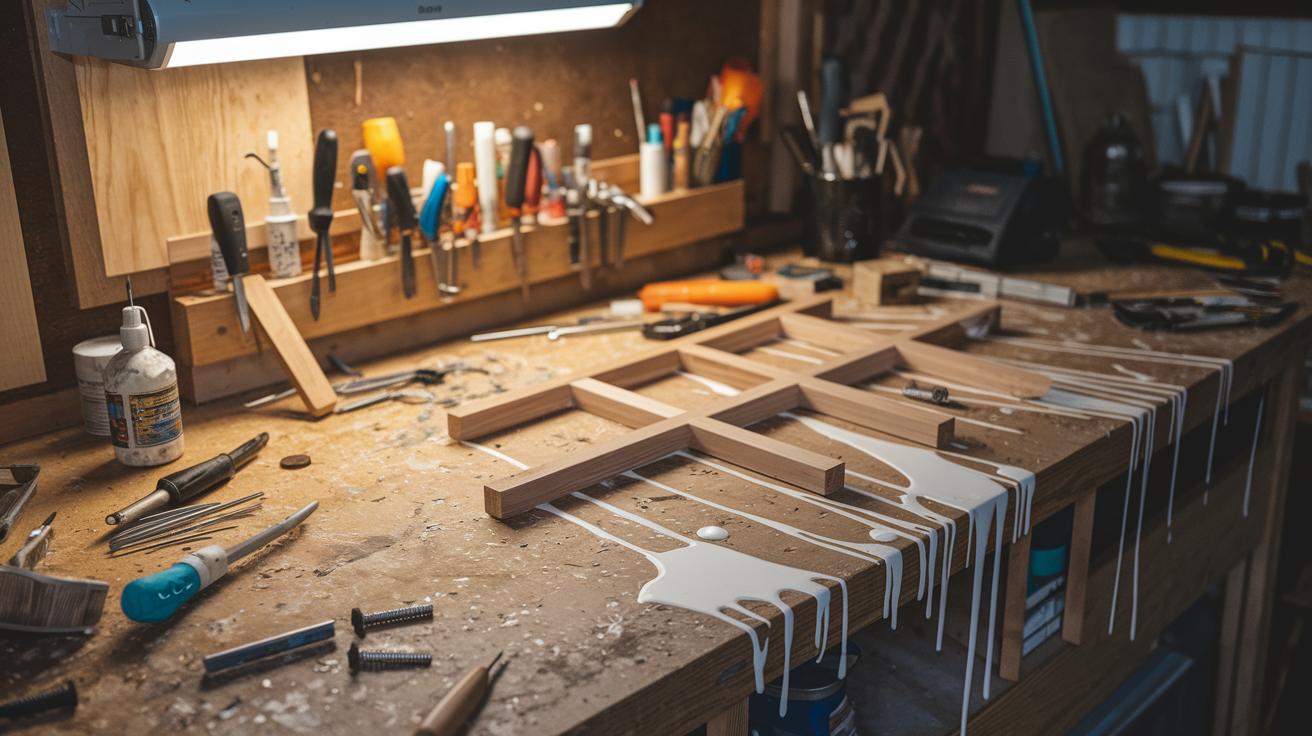
DIY projects can be exciting but sometimes come with unexpected hurdles. You might see problems like cuts that don't line up, joints that feel loose, or messy paint drips. When cuts are misaligned, you get gaps. Loose joints make your build unstable, and thick or uncontrolled paint can drip and mar the finish.
Other issues include warped wood, uneven surfaces, and stripped screws. Wood can warp if the room is too humid or the conditions change a lot. Uneven surfaces can result from measurement mistakes or uneven pressure while assembling. Screws can strip when they are over-tightened or when they don't match the material.
| Problem | Proven Fix |
|---|---|
| Misaligned Cuts | Recalibrate your saw fence and double-check measurements |
| Loose Joints | Clamp the pieces in place and add extra glue |
| Paint Drips | Thin your paint if needed and use smooth, controlled brush strokes |
| Warped Wood | Seal the wood to protect against moisture and keep humidity stable |
| Uneven Surfaces | Use leveling methods and double-check your measurements |
| Stripped Screws | Tighten or swap out screws for ones that fit properly |
Stick with these fixes to keep your project on track and safe. Measure twice, cut once, and check every step. A little care now can stop big issues later.
DIY Feedback Methods: Getting Constructive Critiques
Collecting clear feedback can really help you improve your DIY projects. Local maker spaces and hands-on workshops let you show your work in person and get advice from experienced builders. When you share clear, high-quality photos with simple notes, others can see your specific problems and offer precise tips. For example, take a picture of a shaky shelf and add a note like, "The left side looks lower than expected." Then, update everyone with before-and-after photos once you make adjustments.
Consider these feedback options:
| Feedback Option | Description |
|---|---|
| Local Maker Spaces | Talk with skilled builders face-to-face for real-time advice. |
| Interactive Troubleshooting Forums | Post clear photos with details online to get targeted tips. |
| Social Media Groups | Join DIY communities where members exchange ideas and feedback. |
| Hands-On Workshops | Attend sessions focused on fixing common project problems. |
You can also check out guides like "How to Find a Community Woodshop Near You" and "Best Online DIY Communities for Home Improvement" to learn where to share your work. Ask for detailed critiques as you update your design. This feedback will help guide your next steps and boost your project's success.
DIY Project Diagnostic Tools and Hands-on Repair Strategies

Simple tools can help you spot hidden problems and fix them quickly. A multimeter checks if lights and outlets are wired safely. Use a digital level and a square to make sure shelves and frames are straight. If a shelf looks off, check its alignment again with the digital level until it feels right.
An inspection camera lets you see behind walls to find misaligned framing or plumbing issues. When you're ready to paint or seal wood, test for dampness with a moisture meter. Even a little moisture can cause wood to warp later. You can also do load tests to check the strength of joists or brackets. Press down on a shelf with a controlled amount of pressure to see if it stays steady.
These repair steps help you diagnose issues fast. Keep your toolkit nearby and follow each step carefully. Every tool plays an important role in making sure your project is safe and solid.
2. DIY project feedback and troubleshooting: Elevate Success
A reclaimed-wood coffee table with uneven legs soon turned into a success thanks to honest advice from fellow DIYers. They pointed out that even a small misalignment can make the table unstable. So the builder added a shim (a small wedge) between the legs and then sanded the table carefully. The top came out level, and this change showed how valuable community input can be. One peer even remarked, "A little shim here can make a big difference."
In another project, a planter box was struggling with water draining properly. The builder posted clear before-and-after photos and a short description of the problem on a DIY forum. Community members suggested adding a layer of gravel and drilling extra holes in the base. When these changes were tested, drainage improved by almost 30%. This hands-on advice turned a tricky situation into a much better design.
These examples show that detailed feedback and careful review can shift an amateur project toward real success. We encourage you to write down your challenges, ask for advice, and make one change at a time. Keeping notes as you work helps you see improvements and creates a clear plan to fix issues. Every setback is a chance to learn, and feedback is a key part of overcoming DIY mishaps.
Preventive Planning and Best Practices for DIY Builds

Divide your project into small stages with clear goals. This approach lets you see your progress and spot mistakes early on. At the end of each stage, take a moment to check your work, make sure your measurements are right and that everything feels sturdy. For instance, after putting together a frame, stop and double-check that each joint holds securely.
Make a detailed list of the materials and tools you need. Write down every item and its cost. Add a 15% extra budget for any surprises. Your list might include quality screws, mid-range power tools, and spare parts. This helps you prevent delays caused by running out of supplies.
Plan ahead for any potential delays with your supplies. Order important items in bulk and check what’s available at local stores before you start. When you set up your workspace, review safety steps. Use your PPE checklist (personal protective equipment), set up a stable scaffold, and make sure the area is well ventilated. Think of it as following a simple safety recipe to keep your work area secure.
Review your timeline for each step before you begin. Create a schedule that marks the start and finish of every phase. This plan cuts down on rework and surprises later. Regular quality checks throughout the build can boost your confidence and save time and money on fixes.
Final Words
In the action, we broke down the process to check your DIY build. We covered how to pause and reassess, pinpoint issues with clear measurements, and use hands-on testing with common diagnostic tools. We also explored practical feedback methods and real-case adjustments that make home repairs smoother.
Your next step is to apply DIY project feedback and troubleshooting to boost confidence and finish on schedule. Remember, every adjustment teaches you a little more and helps turn challenges into a win.
FAQ
What are common DIY mistakes?
Common DIY mistakes include poor measurements, misaligned cuts, and improper material use. These issues often lead to loose joints or uneven surfaces, so double-check measurements and follow clear steps for better results.
How do I avoid DIY project fails?
Avoid DIY project fails by pausing to reassess, verifying measurements, and testing one fix at a time. Planning your timeline and materials carefully also helps reduce unexpected issues and rework.
Does DIY actually save money?
DIY can save money when you plan carefully, use quality tools, and follow instructions closely. Proper planning minimizes wasted materials and labor, while mistakes can sometimes lead to extra costs in time and supplies.
How to write feedback for a project?
Writing project feedback means clearly describing issues with specific examples like photos and concise before-and-after summaries. Include constructive tips that help guide improvements on future builds.