Have you ever noticed that a clear plan can save you time, money, and stress on a home project? Many homeowners start without a plan and soon face delays and extra expenses. In this guide, we share easy steps to plan your project. First, set a budget and choose a timeline. Next, check your site and look up local codes to avoid surprises. Think of planning like drawing a map before a road trip, a little preparation makes all the difference. Follow these tips and turn your construction project into a smooth, successful experience.
Construction Project Planning Steps for Homeowners
-
Define your project scope by writing down budgets, timelines, tasks, materials, and responsibilities. Start with a clear plan for your home build. For example, list every room and feature you want. I used this simple list as my blueprint before even calling a contractor.
-
Evaluate your site carefully. Walk around your property, note any obstacles, check property lines, and record any issues. This survey helps you adjust your plan for local conditions.
-
Do a feasibility study. Check that your design meets local codes and zoning rules. Estimate costs and spot problems early. Think of it like checking a map before a road trip to be sure the route will work.
-
Set up your timeline. List each task in the order it needs to happen. Preconstruction planning usually takes 4–8 weeks. Simple renovations might take 3–4 weeks, while custom home projects can run 10–14 weeks. Spotting delays early is key.
-
Break down your expenses. List direct costs like labor and materials plus indirect costs such as permits and rentals. Use a detailed cost estimator since planning changes usually cost only 10–15% of on-site modifications.
-
Finalize your plan with a step-by-step checklist. Use a downloadable DIY planning template to keep everything organized and track your progress.
Follow these steps to start your construction project with confidence.
Budgeting and Financial Forecasting for Homeowners’ Construction Projects

Start your budget by connecting your construction plan with detailed cost estimates. Break your project into two groups: direct costs (like labor and materials) and indirect costs (like permits and equipment rental). Write down each expense with its price and add a bit extra for fixtures and finishes. A useful tool, such as the Construction project budget template from alphapix (link provided), helps keep everything organized.
Plan ahead for cash flow by scheduling payments and purchases early. This simple step stops surprises and keeps costs from creeping up over time. For example, if permit fees are due at the start, set aside that money during your initial planning.
Always keep a small extra fund to cover unexpected costs. A good tip is to reserve a portion of your budget for minor overages. Check your records often to spot any differences from your plan. Following these steps gives you better control of your spending and can save you many times your planning cost by avoiding last-minute changes.
Scheduling and Timeline Management in Home Construction Planning
Start by crafting a detailed schedule that shows how your time is divided. List every task in the order it must be done. Place the most critical steps, such as foundation and roof work, at the top. For example, set the roof installation date and add a note like "Check weather for a dry day" to avoid weather-related delays.
Set up a simple milestone system that marks the end of each phase. Break the work into clear parts, demolition, structural repairs, and finishing touches. This way, you can spot any delays early. If bad weather delays the roofing, adjust the timeline by a day or two to keep everything on track.
Plan for unexpected delays by adding buffer times between each phase. Clearly note which tasks must finish before the next ones can start. Use a checklist to log progress and update your schedule often. Even a small delay can affect the whole project, so a quick check can save a lot of hassle.
Review your schedule regularly. If unforeseen issues arise, adjust your deadlines and mark new milestones. This keeps each step on time and ensures your project runs smoothly.
Navigating Permits and Regulation Compliance in Home Construction Plans
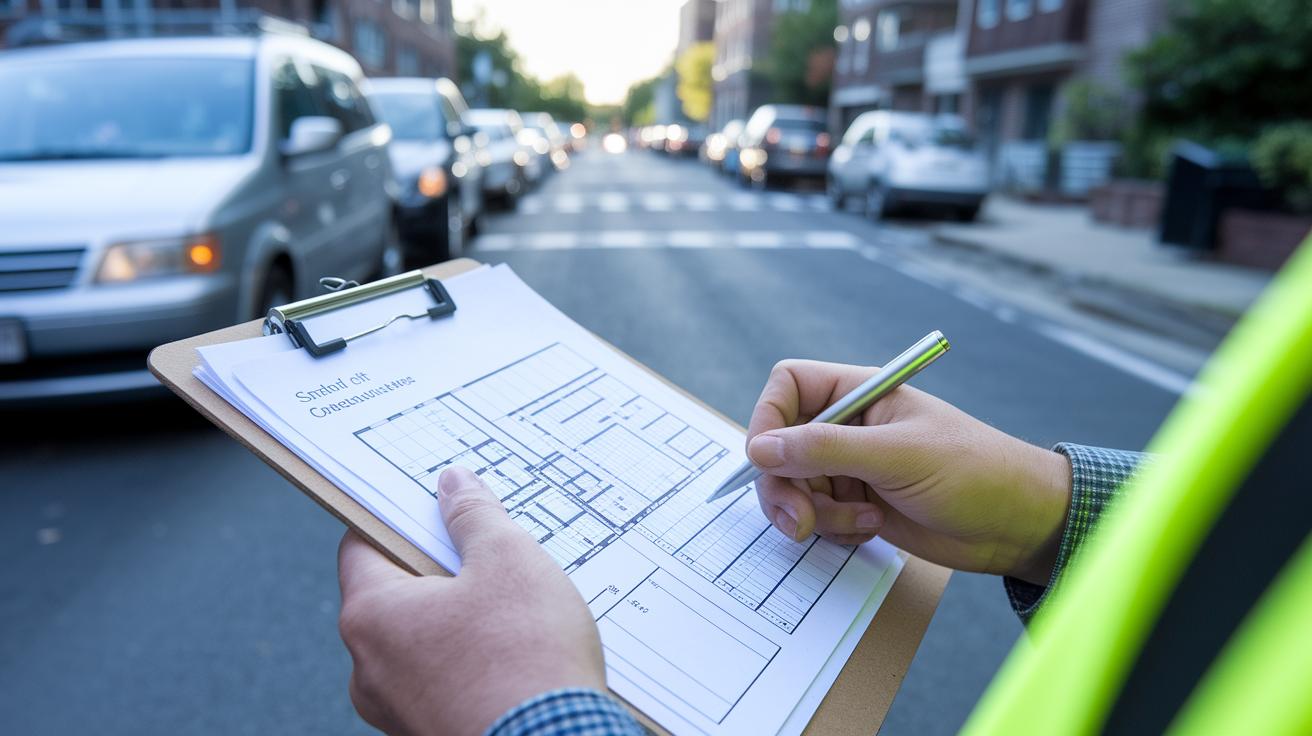
Begin by learning how to secure your permit. For small additions, the process usually takes 2–4 weeks. Custom homes may require 6–12 weeks, and fixing mistakes on your application can add another 3–4 weeks. Start with a check of local rules and zoning requirements to catch any issues early.
Next, review all local regulations. Write down every rule that affects your project and verify your area’s building codes. Check the zoning guidelines to ensure your project meets property use and layout standards. Use a checklist to make sure you follow each code during construction.
Also, set aside time to go over your plans with a professional if you can. This careful review helps prevent delays and fines. These steps build a solid foundation for your construction plan and help your project move smoothly from design to final inspection.
Contractor Selection and Management for Homeowners’ Construction Projects
Start by assigning clear roles to each team member so everyone knows their part. Use a single construction plan that all workers, from main contractors to subcontractors, can follow. This helps avoid mix-ups and keeps tasks on schedule.
Homeowners need to research potential contractors before hiring. Check references and visit past projects to see the quality of work and how well schedules are met. When you visit a finished site, look at how the work holds up under daily use; this can show you if the work will last.
Next, follow a structured process when hiring subcontractors. Here’s how:
- Check detailed references to gauge trade performance.
- Confirm schedules with interviews and on-site evaluations.
- Verify all credentials before finalizing any agreements.
When reviewing service contracts, write down every expectation, timeline, and payment detail. For example, clearly state when progress payments will be released and under what conditions. This helps prevent any surprises later.
Finally, understand your role as the project owner. Know when to step in to keep the work on track. Hold regular meetings with your contractors to address any issues before they cause delays. Using clear selection and onboarding practices will reduce delays, improve work quality, and make the construction process smoother.
Design Planning and Material Selection in Home Construction Projects

Start with a design meeting with your architect and trades. Early discussions can cut plan revisions by up to 60%. This meeting is like drawing a blueprint before building a house.
Next, write a clear construction plan that lists every material you need. Make a list for each phase and include exact measurements. For example, note "Cut 24 in (61 cm) boards for framing." Check past projects to guide your estimates.
Then, hold a review meeting with your architect. Discuss design details and check all measurements. This step lets you fix ideas on the spot, preventing costly errors later.
When picking materials, focus on quality. Compare product samples and check lead times (when deliveries can be expected). Using a checklist from basic building supplies to finishing touches helps prevent delays.
Finally, add eco-friendly options to your plan. Choose recycled insulation or energy-efficient windows to save energy and reduce costs over time. These choices benefit both the environment and your budget.
Keep all your notes and measurements in one central plan. This detailed record makes updates easier and ensures your project meets quality and sustainability goals.
Risk Management and Quality Assurance in Home Construction Project Plans
-
Identify hazards.
Walk around your property and look for risks. Note unstable ground, high work areas, or nearby power lines. Write down each hazard and give it a risk level so you know what to fix first. -
Improve safety with clear protocols.
List safety steps like wearing protective gear and securing work areas. For example, check that scaffolding has guardrails and work near power lines is done with extra caution. This helps every team member know their role. -
Set quality standards.
Decide what good workmanship looks like and set checkpoints for every phase of the project. For example, inspect framing for proper alignment before you start with drywall. -
Prepare backup plans.
Write down what to do if delays or accidents happen. For instance, if a key material shipment is late, have another supplier ready. Update these plans as you gather new information.
These steps keep your project safe, on schedule, and ensure quality throughout the construction process.
Digital Tools, Checklists, and Document Management for Homeowners’ Construction Planning

Digital tools can change your fixed plan into a live, updateable workflow that you can share easily. They help you track every detail, from meeting dates to key documents, using one spot or a simple checklist to reduce extra paperwork.
A digital document system lets you store and sort all your plans, receipts, and records in one place. It helps you build a clear flowchart of tasks. For example, you can update your schedule when a phase is finished or add a quick note if there is a delay.
Keep a clear log of past decisions and changes to track your progress. An expense tracker shows your spending in real time so your budget stays in check. Regular reviews make sure every task is on track and nothing is missed.
Follow these steps to set up your project plan:
- Create a document management system.
- Build a clear flowchart of your process.
- Keep a simple record of decisions and changes.
- Use an expense tracking app.
- Schedule regular review sessions.
Final Words
In the action, you kick off with a clear roadmap that covers budgeting, scheduling, permits, and contractor selection. Each section explains how to plan your design, manage risks, and handle quality checks. Using digital tools and checklists keeps tasks organized and costs in check. With a solid construction project planning for homeowners approach, you gain clarity on expenses and timelines. Keep steady and focused to complete your project safely and confidently.
FAQ
How does a construction project planning template help homeowners?
The construction project planning template organizes tasks, budgets, and timelines into a clear roadmap that guides you from initial research through contractor selections and permit acquisition.
Where do I start if I want to build a house on my land?
The first step involves evaluating your site, drafting a detailed plan that includes budgets and timelines, and researching local permits and regulations to set your project on a solid foundation.
What steps does a building-a-house checklist include?
The checklist outlines tasks such as site evaluation, budgeting, scheduling, contractor selection, and permit acquisition, ensuring you complete each phase methodically from planning to final touches.
What are the five stages of building a house?
The five stages include planning and design, permit and financing acquisition, construction and inspections, finishing work, and post-construction review, each building upon the previous to create a complete project.
What are the financial steps involved in building a house?
Financial steps include setting a clear budget, tracking expenses, forecasting costs for permits and materials, and creating a contingency fund to manage unexpected costs during construction.
How can a new home construction timeline template help manage the project?
A timeline template maps out key phases, milestones, and deadlines, enabling you to sequence tasks effectively and monitor progress to address delays early and keep your project on track.