Have you ever wanted to add a warm, inviting glow to your home? DIY candle making lets you turn basic ingredients into a soft light that fills your room with comfort. Using simple supplies like wax and your favorite scent, you can mix them to create a candle that burns steadily and smells just right. Imagine the pride you’ll feel as you light a candle you made yourself, setting a relaxed mood for a cozy evening. Let’s get started and bring your cozy vision to life.
Essential Steps for DIY Candle Making
-
Gather all your supplies. You will need 12 oz (340 g) of wax, 1 oz (28 g) of fragrance oil, a wick with its sticker, a vessel of your choice, a metal pouring pitcher, and a double boiler setup (a pot and a bowl). Have your kitchen scale nearby to check measurements.
-
Stick the wick to the center of your vessel using the wick sticker. Making sure it stays centered helps the candle burn evenly.
-
Weigh 12 oz (340 g) of wax with your kitchen scale. Using the correct amount ensures every batch comes out the same.
-
Place the wax into the metal pouring pitcher. Then, set the pitcher into a pot with simmering water to create a double boiler. This makes the wax heat evenly and safely.
-
Once the wax reaches the proper temperature, gently stir in 1 oz (28 g) of fragrance oil for about 30 seconds. This mixes the smell evenly into the melted wax.
-
Slowly pour the mixed wax into your vessel. Pour carefully to keep air bubbles from forming.
-
Use a pencil or a popsicle stick to hold the wick in place while the wax cools. This small step helps keep everything neat and centered.
-
Clean up your work area right after pouring the wax. Let the wax harden undisturbed for 45 minutes to 3 hours, depending on the type of wax you use.
-
Allow your candle to cure for at least 7 days. This waiting period helps the fragrance develop fully when you light the candle.
-
Before lighting your candle, trim the wick to about 1/4 in (0.64 cm). This step reduces soot and keeps the burn clean.
Check out more DIY projects for beginners for extra tips on getting started with candle making.
Selecting Your Candle Crafting Materials: Waxes, Wicks, and Vessels
Wax Types Overview
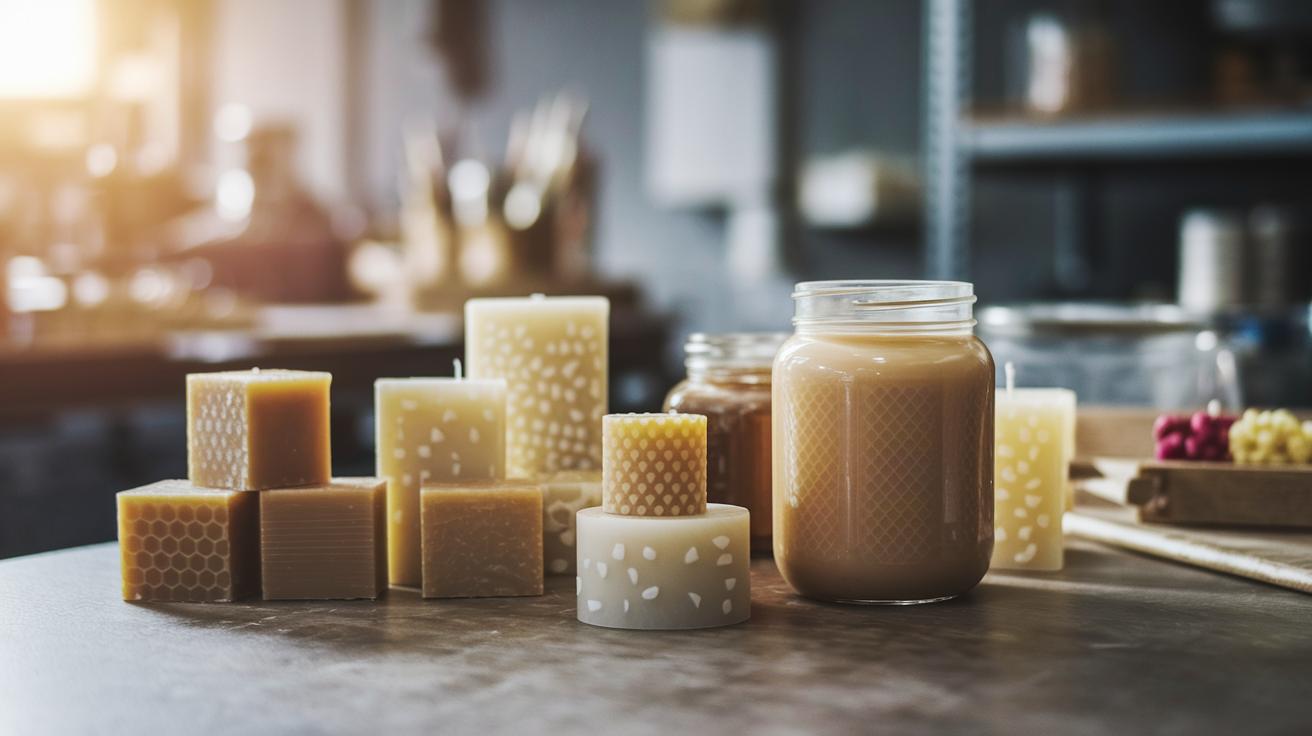
You have several wax choices for your candle project. Soy wax is natural and holds scent well. Coconut wax gives a creamy texture that boosts the fragrance. Paraffin wax is more affordable but not as natural. Beeswax has a light honey smell and burns nicely. You can also try hybrid blends that mix properties from different waxes. For example, blend soy and coconut wax for a steady burn and pleasant aroma.
Wick Options and Sizing
Pick a wick that works well with both your wax and vessel. Common choices include ECO, hemp, and wood wicks. Match the wick size to your container's diameter. This helps achieve the proper melt pool (the area where the wax liquefies) and scent throw. For instance, if your container is 3 in (7.6 cm) wide, choose a wick designed for that size to ensure an even flame.
Containers vs Molds
Container candles are made in glass jars or tins that you can display as decor. Molds, which are usually silicone or plastic, let you form custom-shaped candles. Containers come ready to use, while molds need to be cleaned after each use. Think about your project needs, available storage, and the look you want before deciding between these two options.
Safety Best Practices and Troubleshooting Common Candle Making Issues
Always melt your wax in a double boiler. Never place wax directly over an open flame because the wax can heat too fast and cause accidents. Work on a solid, protected surface and clean up spills immediately. Let your candles harden completely before moving them to keep their shape intact.
Before each use, trim the wick to ¼ in (0.64 cm). This quick step helps lower soot and leads to a more even burn.
Troubleshooting issues:
- Uneven burn rings: Make sure you use the correct wick size for your container.
- Wick tunneling: Pour a little extra melted wax on top to fill in any gaps.
- Poor scent throw: Allow extra curing time or adjust the fragrance load within safe limits.
Clean surfaces right away after spills and handle each step carefully. Energy-efficient melting saves time and helps you achieve better candle results.
DIY Candle Making Lights Up Your Cozy Home

Mix fun colors and cool designs to give your candles a personal touch. Use layered pours, ombré effects, or gentle swirls with dye chips to make each candle bright and eye-catching. Pick colors that match your home's style so your creativity really shows.
Add natural beauty by placing dried flowers, herbs, or citrus peels into the wax. These little touches bring a soft scent and a one-of-a-kind look to each candle. For a seasonal feel, try autumn candles with a hint of pumpkin spice, winter ones with a whisper of pine, or spring candles mixed with fresh floral notes.
Choose a container that fits your design. You might reuse a pretty pink glass, a hand-blown jar, a small planter, or even a metal tin. Matching your container with a custom fragrance like lavender-vanilla or eucalyptus-mint makes the smell just as lovely as the look.
Personalize your candle with simple design tips:
- Tie a ribbon around the container for an inviting look.
- Make a custom label that shows off your style.
- Use embossing or heat-stamp engraving for a neat, professional finish.
Every little design choice makes your homemade candle special and brightens up your cozy home. Enjoy these ideas and let your creativity guide every pour.
Final Words
In the action, you've seen the complete process from gathering materials to curing and trimming your candle. Each step in our diy candle making guide is designed to keep you safe and confident as you work. We covered choosing the right wax, wick, and vessel, using a double boiler for melting, and creative tips to personalize each piece. Stick closely to these steps and safety tips to finish projects on schedule and with a smile. Keep experimenting and enjoy your crafting success!
FAQ
Q: What is a DIY Candle Making Kit?
A: A DIY candle making kit bundles essential components like wax, wicks, fragrance oils, and a container so you can start crafting candles easily without hunting for individual supplies.
Q: How do I make candles at home to sell?
A: To make candles at home for selling, gather high-quality supplies, follow safe melting and pouring practices, cure the candles properly, and use appealing scents to boost customer interest.
Q: What are DIY candle making supplies?
A: DIY candle making supplies include items such as wax, wicks, fragrance oils, colorants, and vessels. Using quality supplies helps improve the burn, scent, and appearance of the finished candle.
Q: How do I do DIY candle making with essential oils?
A: DIY candle making with essential oils involves adding the oil to melted wax at the right temperature. This method infuses the candle with natural, therapeutic scents and creates a soothing ambiance.
Q: How do I make homemade candles for beginners?
A: For beginners, making homemade candles starts with gathering supplies like wax, wicks, and fragrance. Follow a step-by-step process by melting wax, adding fragrance, pouring into a container, cooling, and trimming the wick.
Q: How do I make candles without wax?
A: Making candles without traditional wax involves using alternatives like vegetable shortening or recycled oil-based substances. These substitutes require careful handling and may need different molds for a safe, effective result.
Q: How does step-by-step candle making with pictures help?
A: Step-by-step candle making with pictures provides clear visuals for each stage—from preparing materials and melting wax to pouring and cooling. This guidance makes the process easy to follow and understand.
Q: What are some unique homemade candle ideas?
A: Unique homemade candle ideas include experimenting with layered colors, adding dried botanicals, or using custom labels. Personalizing designs can create memorable gifts or decor that stands out.
Q: What is the 84 candle rule?
A: The 84 candle rule suggests burning a new candle for 84 minutes to establish an even melt pool. This practice can help achieve a consistent burn and optimize the performance of the candle over time.
Q: What is the 8:10 rule for candles?
A: The 8:10 rule indicates that you should burn a candle for about 8 hours and let it rest for 10 hours. Following this guideline helps prevent wick tunneling and promotes even burning.
Q: What makes candles smell the strongest?
A: Candles smell the strongest when you use high-quality fragrance oils, the right wax type, and an optimal fragrance load. Adequate cure time and proper mixing techniques also maximize the scent throw.