Have you ever thought a few smart changes could make your home look amazing? You can see quick results without a complete renovation by tackling DIY projects. Break each task into simple, clear steps to brighten your rooms while keeping costs low. Whether you're updating a light fixture or painting a wall, planning your project makes all the difference. Enjoy each small win as you transform your space and savor the pride that comes from a job well done.
How to Plan DIY Home Improvement Projects for Success
Break your home improvement projects into parts based on room, budget, and time. Planning by space lets you tackle tasks in short bursts, 30, 45, or 60 minutes. This method shows quick progress, whether you're repainting a wall or updating a light fixture.
Budget matters too. Use mood boards, print shopping guides, check out product reviews, and even watch paint tutorials. These tools help you pick the right materials and avoid surprise costs. For extra help, try the DIY project planning checklist at https://alphapix.org?p=105.
- Define what you want to accomplish.
- Sort tasks by room and time needed.
- Write down your materials and tools.
- Set a fair budget and use planning templates.
- Plan a timeline with checkpoints.
When a project feels too busy, choose just three key tasks. This keeps you focused and lets you adjust your work as needed. By doing only the important steps, you manage your time wisely and celebrate every small win. This approach brightens one room at a time while making the whole project more enjoyable.
Essential Tools and Budget Strategies for DIY Home Improvement Projects

Quality tools help you finish projects safely and on time. When you invest in good equipment, you boost your efficiency and reduce the chance of damaging materials. A basic toolkit, with items like a hammer, cordless drill, and level, speeds up your work and helps keep things safe. Spending between $100–$300 on a starter set means you get reliable performance with every job. For trusted advice on choosing tools, check out our best home tool kit for homeowners (https://alphapix.org?p=100).
| Tool | Purpose | Estimated Cost |
|---|---|---|
| Hammer | Nailing and demolition | $10–$20 |
| Cordless Drill | Drilling holes and driving screws | $50–$150 |
| Level | Ensuring straight installations | $15–$30 |
| Tape Measure | Accurate measurements | $5–$15 |
| Utility Knife | Cutting materials | $5–$10 |
| Adjustable Wrench | Tightening and loosening nuts | $10–$25 |
A clear budget plan using DIY project budget templates helps you track costs and avoid surprises. Organize your purchases, including safety gear like goggles, gloves, and dust masks. Recording each tool's price lets you stay within your budget and upgrade your kit as your skills improve. With a detailed checklist and cost estimate, you can confidently invest in the right tools for any home improvement project.
Mastering Techniques and Safety in DIY Home Improvement Projects
Begin by cleaning your work surface. Remove all grease, dust, and old paint. Sand any spots that need repairs so the new finish sticks well. Remember to measure twice before you cut. For example, when fixing drywall, mark the area carefully and trim any extra material before using joint compound. Sanding and priming help create a smooth finish that can brighten your home.
Next, follow a clear, step-by-step workflow. Start by taking off outdated elements like old wallpaper or peeling paint. Then, patch holes in the drywall or replace broken trim. Install new items such as light fixtures, cabinet handles, or open shelves. Finally, apply a fresh coat of paint or sealant. For instance, after a repair, put in a new fixture, prime the surface, and then paint. Each step builds on the one before it, ensuring lasting improvements.
Always focus on safety throughout the project. Wear goggles, gloves, and a mask when sanding or cutting. Before you start any electrical or plumbing work, turn off the power or water supply to avoid accidents. Check your local building codes to make sure you follow safety rules. If a job like advanced electrical repair or major plumbing feels too difficult, call a professional. Using the right techniques and taking safety measures means you can complete your project successfully and enjoy the process.
DIY Home Improvement Projects Brighten Your Home Today

Matching your project to your skill level makes home improvements easier and more fun. When you work on tasks you feel ready for, you build confidence and learn new skills. Even small wins, like a fresh coat of paint or switching up your furniture, make your home feel brighter.
For beginners, choose projects that give quick rewards and are not too hard. Try painting one wall to add a burst of color or putting up open shelves to show off your favorite things. Changing out old cabinet handles can also give a room a new look. These simple projects get you started without feeling overwhelming.
Intermediate projects let you try a few more technical steps. For example, you might tile a kitchen backsplash to update your space or change light fixtures to bring out the room’s best features. Building floating shelves also adds storage and style. Working through these steps mixes creativity with practical skill-building.
Advanced projects take your DIY skills to a professional level. You can install crown molding to create an elegant finish or build new deck railing for safety and style. If you’re ready for a bigger challenge, designing a custom bathroom vanity can become the standout feature of your renovation. Each step helps you improve your home in a unique and beautiful way.
Room-Specific DIY Home Improvement Projects to Refresh Your Space
When you plan projects by room, you can focus on each space's unique needs. This approach helps you choose the right paint colors, find affordable decor, and make simple updates that brighten your home.
In the kitchen, try projects that mix style with function. For example, you can update your cabinets without a full remodel by refacing them. You can also add a splash of color by painting the walls or using peel-and-stick tiles for a backsplash. These changes are budget-friendly and bring new life to your favorite room.
The bathroom is another spot where small improvements make a big difference. Re-caulking your tub or switching to modern faucets can stop water damage and freshen up the look. Changing your vanity hardware is a simple task that also boosts the room’s feel. Even if you’re new to DIY, these projects are manageable and really pay off.
In the bedroom, add personal touches to create a cozy space. Consider making a DIY headboard or painting one accent wall to set the mood. Installing floating shelves gives you extra storage and a place to display photos and keepsakes. These ideas help your room feel comfortable and uniquely yours.
For the living room, choose upgrades that combine beauty and comfort. Simple projects like adding crown molding or building a console table can refine the room’s edges. Reupholstering cushions can revive old furniture and make the space more inviting. Each small project adds a fresh feel without a major renovation, keeping your home bright and inspiring.
Outdoor and Seasonal DIY Home Improvement Projects
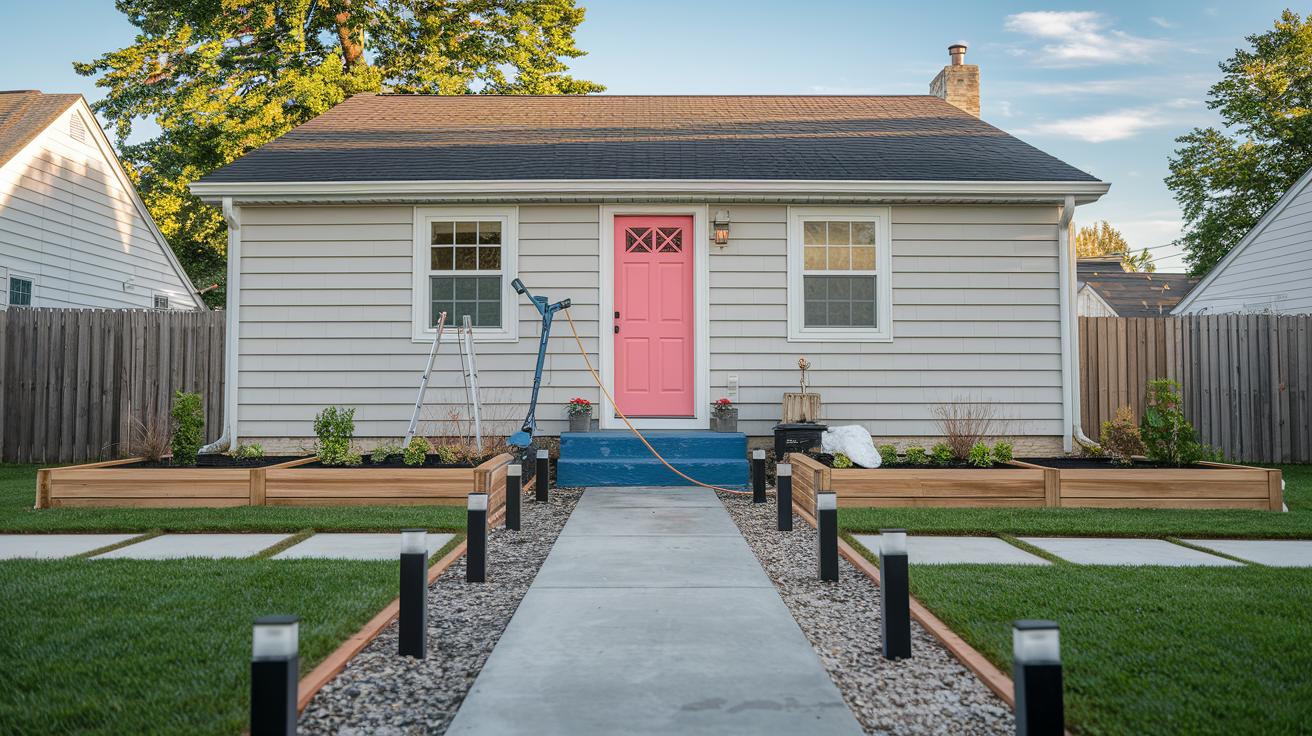
For a quick upgrade, start by power washing your home's siding to remove built-up dirt and mildew. Then, repaint your front door for a warm and inviting entrance. You can also build raised garden beds. They add style and make it easier to care for your plants. Next, install solar pathway lights. They boost curb appeal and improve safety after dark. These projects are doable in a day and can quickly transform your home's exterior.
Keep up seasonal maintenance to protect your home all year. In warm months, clean your gutters and seal your deck to ward off moisture damage. In the fall, repair any weathered fence boards. As winter approaches, winterize outdoor fixtures to prevent freeze damage and get ready for spring.
Final Words
In the action, this guide broke down DIY home improvement projects by room, time, and budget, making planning simple and practical. We explored key steps like defining scope, setting realistic timelines, and selecting the right tools and safety gear. Each section builds your confidence with hands-on techniques and cost-saving ideas.
By keeping tasks manageable and your workspace organized, you set the stage for success in your diy home improvement projects. Keep moving forward, each small win paves the way for bigger accomplishments.
FAQ
What are some DIY home projects for beginners?
DIY home projects for beginners include simple tasks like painting accent walls, installing basic shelving, and upcycling furniture. They help you gain skills, build confidence, and improve your home without heavy expense.
What are some DIY home improvement projects on a budget?
DIY home improvement projects on a budget focus on cost-effective updates like refinishing surfaces, updating cabinet hardware, and using repurposed decor. These projects freshen your space while keeping expenses low.
What DIY home projects work well for adults and students?
DIY home projects for adults and students feature accessible tasks such as creating wall art, building planters, and repurposing old furniture. They provide creative, affordable ways to enhance your living space with practical skills.
What are some home improvement ideas that make a big impact with small projects?
Home improvement ideas that make a big impact include installing updated lighting, replacing door handles, adding an accent wall, and simple landscaping tweaks. These small projects deliver noticeable results without a major overhaul.
Why is planning crucial for successful DIY home improvement projects?
Planning for DIY home improvement projects by room, budget, and time chunks helps organize tasks, set realistic goals, and prevent overwhelm, making your projects more efficient and stress-free.