Are you ready to tackle renovation surprises without scrambling for extra cash? Many homeowners miss the hidden costs that can throw a wrench in a project. Tip: set aside 10% to 20% of your total budget as a backup. This cushion can mean the difference between smooth repairs and unexpected financial stress when you run into issues like unseen damage or updated building codes. In this guide, we explain why having a reserve is so important and offer clear steps to build your contingency fund for a stress-free renovation.
Recommended Contingency Percentage for Renovation Budgets
When you plan a renovation, it's smart to set aside 10–20% of your total budget for surprises. This extra money helps cover hidden damage, code issues, and rising material costs. Experts suggest this range so you can confidently handle unexpected challenges while updating your home.
For smaller projects, like a fresh coat of paint or minor trim changes, a lower reserve (around 10%) might be enough. But if you’re doing a full gut renovation or updating an older home, you may need 15–20% to cover unexpected repairs and any changes in your plan.
| Project Type | Suggested Reserve |
|---|---|
| Minor cosmetic refresh | 10% |
| Kitchen or bath retrofit | 12–15% |
| Whole-house gut renovation | 15–20% |
| Structural or code-upgrade projects | 18–20% |
Often, renovation work uncovers issues that standard construction might not reveal. Having a bigger cushion means you can adjust to scope changes, deal with hidden repairs, or handle delays without scrambling for extra funds. Remember to double-check your estimates so you stay on track throughout your project.
How to Calculate Your Renovation Contingency Fund

Begin by setting your base budget. This budget covers expenses for labor, materials, permits, and professional fees (like payments to architects or engineers). It shows the minimum amount you need for your renovation. Once you have this number, multiply it by a percentage between 10% and 20% to cover unexpected costs.
| Step | Action |
|---|---|
| 1. Identify Base Budget | Add up all labor, materials, permits, and fees |
| 2. Assess Risks | List hidden costs and potential scope changes |
| 3. Choose Percentage | Select a safety margin of 10% to 20% |
| 4. Calculate Fund | Multiply the base budget by your chosen percentage |
For instance, if your base budget is $50,000 and you pick a 15% contingency, you will set aside $7,500. Consider factors like hidden risks, possible changes in the work, and uncertain site conditions. When new details come up, update your numbers in an Excel spreadsheet using our home renovation budget template (Excel) at https://alphapix.org?p=141. This practice keeps your fund accurate and your project on track.
Factors That Influence Your Renovation Budget Buffer
How big and detailed your project is can change your extra budget needs. Bigger and more complex jobs, for instance, a multi-story renovation, often need extra funds for special materials and extra work. In these cases, planning for a 15–20% buffer helps you stay safe.
Older homes can hide problems that show up after work starts. You might find rot or outdated wiring once you begin. When these hidden repairs come to light, be ready to add more money to your budget.
Market trends also play a role. Labor rates and material prices can jump without warning. If delays in supply or sudden cost spikes are common, consider increasing your contingency.
Changes in design or client requests can add unexpected costs too. When project details change, you may need more work or additional materials. In these situations, a larger buffer can cover the extra expenses.
Lastly, site access issues and weather delays can affect both your schedule and costs. If heavy rain or tough site entry slows progress, extra funds might be needed for longer labor times or more tool rentals. Be sure to factor these into your overall budget.
Real-World Contingency Fund Examples in Renovations
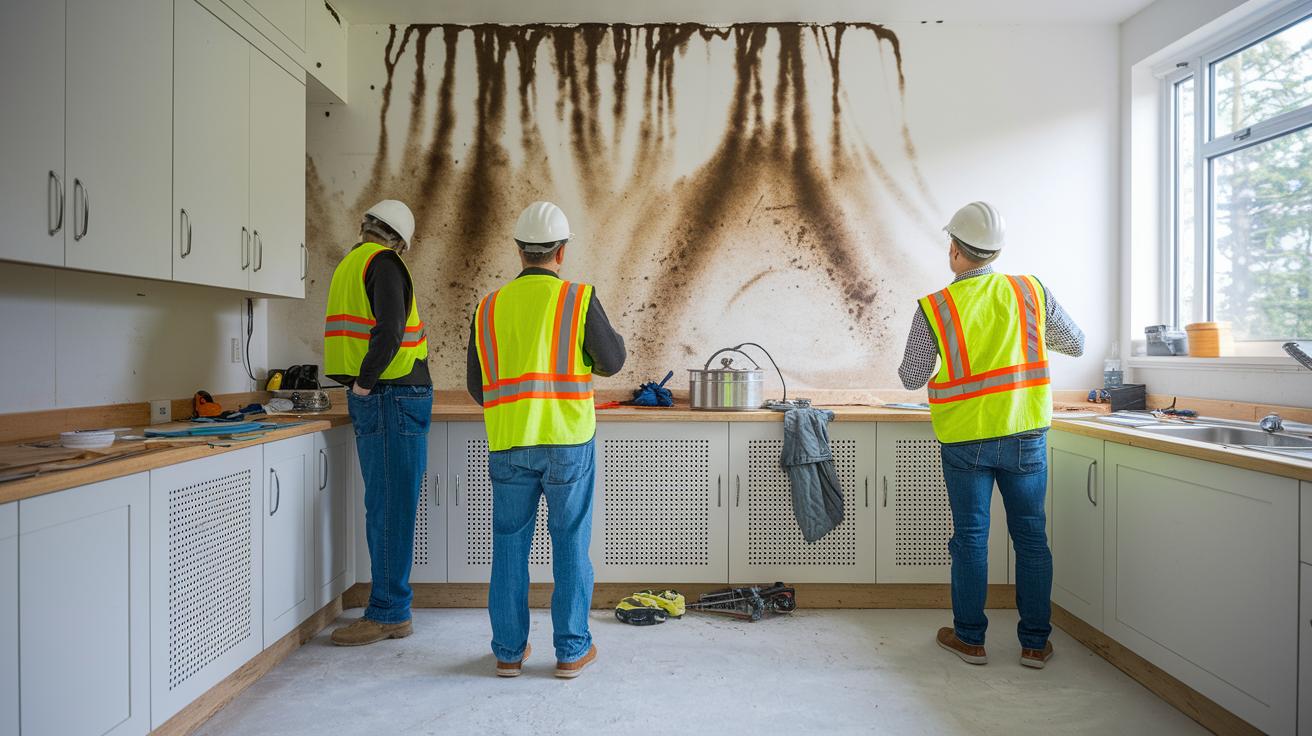
Kitchen Mold Discovery
While remodeling the kitchen, the team found hidden mold behind the cabinets. They had to remove the mold and repair the wall to make the space safe. This extra work used up 12% of the overall budget. The funds covered cleaning, repair materials, and better ventilation to stop future mold issues. A smart contingency fund like this helps deal with surprises and keeps the job moving.
Bathroom Structural Issues
During a full bathroom renovation, the team discovered a broken support beam hidden behind the wall. They replaced the beam quickly to prevent further damage and keep the area safe. They had set aside an 18% cushion in the budget for problems like this. This extra reserve let them fix the structure without harming other parts of the project. It shows why planning for hidden issues is so important.
Permit-Related Delays
In one whole-house renovation, permit delays pushed back the project schedule. The delays meant extra labor costs and additional equipment rentals as the crew had to stay on site longer. A 10% contingency helped cover these unexpected expenses. With this reserve, the project could continue smoothly despite the delays.
Best Practices for Managing Renovation Contingency Funds
Start by knowing that your contingency fund is a backup for unexpected costs. It acts like a safety net, keeping your renovation on track and easing financial stress.
Track your spending every week with a DIY budget template. This simple check helps you spot rising costs early so you can adjust before expenses get out of control.
Hold budget meetings with your contractors. Talk about progress and update estimates together. This clear communication makes sure everyone knows the current numbers and keeps the fund aligned with real project needs.
Choose fixed-price contracts that include small-change allowances. This sets clear price limits and reduces the chance of surprise charges. It helps you stick to your planned budget and avoid sudden overruns.
Spend your contingency funds on essential repairs first. Keep extra cash in reserve only for true emergencies, not for non-critical cosmetic updates. This ensures your backup money stays available for serious issues.
As your project moves forward, update your fund with any new information. Regular adjustments will help you manage the budget better and tackle any unforeseen challenges.
Common Mistakes When Allocating Renovation Contingency

Skipping Inspections
Missing a professional inspection can hide problems until later. A pros check can spot hidden damage early so you can adjust your budget before repairs get costly.
Setting Too Low a Buffer
Cutting your contingency fund below 10% is a common pitfall. When unexpected repairs or code updates appear, an insufficient buffer might force you to reallocate money, slowing your project down.
Funding Scope Creep
Using your extra funds on non-essential upgrades instead of saving them for emergencies can quickly drain your safety net. Keep the contingency reserved for serious issues like structural repairs or unforeseen damage.
Not Updating After Scope Changes
As your renovation evolves, so do potential risks and costs. Failing to recalculate your contingency when the project expands can leave you short. Be sure to check and update your budget regularly to match the current project needs.
Final Words
In the action, we broke down the recommended percentages to help you plan your renovation contingency with confidence. We covered scenarios from a minor cosmetic refresh to full-scale gut renovations and showed step-by-step calculations. Key project influences such as hidden damages and scope changes were also discussed.
By following these guidelines, you now have a clear approach to determine how much contingency to add to a renovation budget. Keep your focus on critical repairs, and enjoy the process with a positive outlook.
FAQ
How much contingency should be added to a renovation or construction budget?
The recommendation is to set aside 10–20% of your total budget. Lighter updates may need around 10%, while full gut renovations typically require 15–20% for surprises.
What does the “30% rule for renovations” mean in budgeting?
The 30% rule means budgeting up to 30% of your project funds to cover unexpected repairs, unforeseen damage, and additional expenses, providing a substantial buffer for the project.
How do shared contingency and lump sum contracts affect renovation budgeting?
In shared contingency setups and lump sum contracts, a set reserve is applied to cover unforeseen costs. Clear communication with your contractor helps prevent disputes and manage overruns effectively.
How do construction allowances differ from contingencies in renovation projects?
A construction allowance assigns a fixed sum for certain items, while a contingency is a percentage reserve that covers unexpected issues, ensuring your project adapts to unforeseen events.
Is 10% contingency enough to cover material and labor cost increases?
For basic cosmetic updates, 10% may work. However, projects involving older structures or extensive work usually need 15–20% to manage unexpected material and labor cost spikes.
What defines a realistic renovation budget including contingency funds?
A realistic renovation budget adds a 10–20% contingency to your base costs, ensuring you can cover unforeseen repairs, hidden damages, and fluctuations in material and labor expenses.
What does AIA A133 contingency refer to?
AIA A133 contingency refers to contract provisions outlined by the American Institute of Architects that set aside funds for unexpected expenses during renovations or construction projects.