Have you ever thought your local woodworking maker space could be the key to turning your passion into real skills? These spaces give you access to quality tools and plenty of room to work. They also connect you with a warm community ready to share tips and ideas.
Imagine stepping into a busy workshop with experienced mentors and safe training sessions that build your skills. Whether you're just beginning or want to sharpen your abilities, a maker space can spark your creativity and boost your hands-on learning.
Let's explore how you can start your woodworking journey.
Why Join a Local Woodworking Maker Space?

When you join a woodworking maker space, you get more than just a place to work. You join a friendly community with top-quality tools and large work areas. For example, the Urban Workshop in Costa Mesa covers about 28,000 sq ft (2,600 m²) and serves over 4,000 members. Many of these spaces have a dedicated wood shop along with electronics labs, co-working areas, and lounges. A local membership gives you access to quality equipment and expert support, whether you are just starting out or looking to sharpen your skills.
At a maker space, you learn through clear, step-by-step training programs. You get safe directions on using heavy tools like table saws, planers, and CNC mills (machines guided by computers). Experienced mentors help you learn how to set up and operate a bandsaw. I remember my first cut and how it felt like I was carving out my passion. This careful guidance helps you build skills quickly while avoiding common mistakes.
Being part of a maker space also means joining a close-knit community. You can swap ideas and techniques while working on projects. Every session becomes a chance to learn something new and help someone else. With access to tools, expert training, and a supportive network, joining a local woodworking maker space is a smart choice for any aspiring woodworker.
How to Find the Best Woodworking Maker Space Near You

Begin your search by checking online directories and maker networks that list woodworking spaces nearby. Many makerspaces hold free weekly open-house events and run community clubs where you can walk through the shop and see top-notch tools like table saws, planers, bandsaws, and CNC mills. Look for posts in social media groups and review sites to learn about tool availability and safety classes. For instance, try searching for "how to find a community woodshop near you" to discover local spaces that even offer free tours.
Follow these four steps to pick the right space:
- Browse online directories and community forums.
- Attend free open-house events or workshops.
- Talk to current members and ask about their experiences.
- Review the available tool list and check the safety class schedule.
Once you’ve taken these steps, you’ll know which woodworking maker space fits your needs best. Aim for a spot that is convenient, fully equipped, and highly recommended by local craft communities.
Step-by-Step Woodworking Maker Space Application Process

Joining a local woodworking makerspace is simple if you follow a clear set of steps. First, fill out a membership form. Then, attend safety classes and pay your fees. This process builds your skills and gives you access to the right tools and expert advice.
Complete Membership Application
Start by submitting your membership form online or in person. Provide your name, contact details, and a brief summary of your woodworking experience. You might also need to sign liability forms and agree to the makerspace’s rules. Some places ask for a photo ID and a short note about your interests. This information helps keep everyone safe and matches you with the proper training.
Attend Safety Training Classes
Next, sign up for safety classes that focus on using tools like table saws, jointers, and CNC mills. In these sessions, you get hands-on practice with both regular use and emergency procedures. These classes help you work confidently and safely. Once you finish the training, you can start reserving equipment and booking shop time.
Pay Fees & Schedule Orientation
Lastly, choose a payment plan that works for you, whether it is monthly or yearly. After paying, schedule an orientation session to tour the shop. During orientation, the staff will show you how to reserve tools and book your shop time. This final step helps you quickly join the makerspace community and begin your projects with confidence.
Woodworking Maker Space Fees, Benefits & Tool Access

Joining a woodworking maker space gives you more than just tools; it connects you with a lively creative community. The fee varies by location. You might choose a monthly plan or save money with an annual rate.
After you complete basic safety training, you gain full access to advanced equipment. You'll also enjoy added perks designed for woodworkers, such as:
- Unlimited use of woodworking tools after training
- 24/7 shop access for full members
- Co-working zones for group projects
- Guidance from experienced mentors
- Free coffee in the lounge
- Discounted rates on carpentry workshops
A membership offers many practical benefits that go beyond simple tool use. The fee grants you entry to a well-equipped shop along with regular safety classes and technical support. You get personal coaching on projects and bonus perks like access to a dedicated crafting space. Whether you're a hobbyist or just starting out, this membership is a smart investment in your woodworking journey.
Getting Started: First Woodworking Projects at Your Maker Space
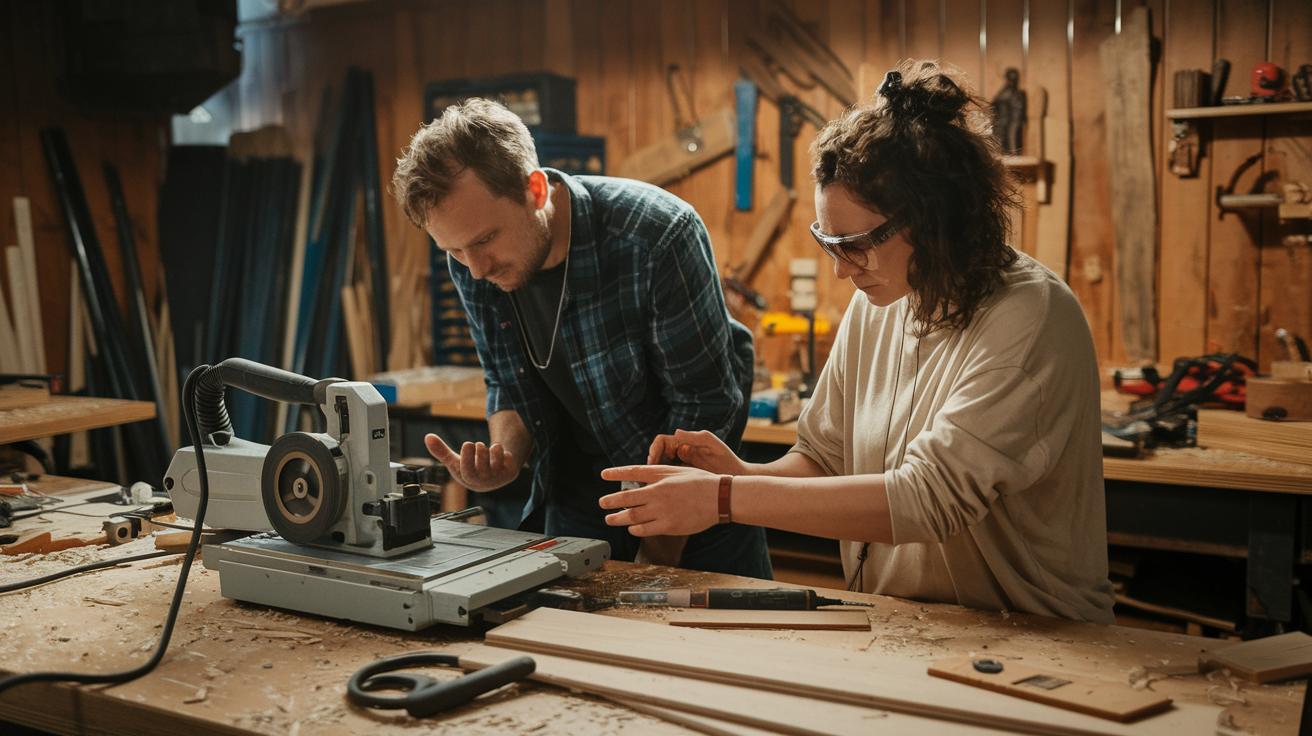
After you finish your personalized orientation and tool training, you can book shop time through the online portal. This is your chance to try out many beginner projects at the makerspace. Many new members start with projects like a cutting board, a picture frame, or a small shelf. These projects help you get used to tools like bandsaws and sanders, and staff are always nearby to help. I remember making my first cutting board and feeling proud because I learned the basics safely.
Once you book your shop time, choose projects that match your skill level. Set up a session to review project plans and talk with a peer mentor. Join a beginner workshop where you get clear, step-by-step guidance. A good way to start is to pick one project, take measurements, and mark your wood before you cut. This clear process helps you follow safety steps and builds your confidence.
Before starting your first project, ask an experienced member for one-on-one guidance. They can help you set up your work area, pick the right tools, and go over key safety methods for each step. Be sure to review the project checklist provided during orientation. These early steps will help you succeed and make your makerspace experience fun and safe.
Final Words
In the action, we broke down each step from exploring maker space benefits to mastering safety classes and tool reservations. You learned how a well-rounded approach helps you navigate costs, applications, and community perks.
The guide shows you how to join a local maker space for woodworking while building practical skills and confidence. Every small step, from attending open houses to scheduling shop time, brings you closer to successful projects. Enjoy your journey, keep safety first, and happy woodworking!
FAQ
Where can I find a shared woodworking space, woodworking community workshop, or rentable wood shop near me?
Finding shared woodworking spaces, makerspaces, or woodshop co-ops near you involves checking online directories, social media groups, and local maker networks. Many spaces offer tours, free trial days, and community reviews to help you decide.
What is the 5’7″ rule in woodworking?
The 5’7″ rule in woodworking refers to guidelines for maintaining proper clearances in a workshop. It helps ensure adequate headroom and safe, efficient work conditions for various tools and tasks.
How much does it cost to start a makerspace?
The cost to start a makerspace can vary widely. Expenses include rent, tools, safety equipment, and setup costs, which typically range from several thousand to tens of thousands of dollars based on location and scope.
Do I need an LLC for a woodworking business?
The need for an LLC depends on your business goals and liability protection requirements. Forming an LLC can shield personal assets, but it’s best to consult legal and financial experts for guidance specific to your situation.
What is the highest paid woodworking job?
The highest paid woodworking job varies by region and expertise. Custom furniture makers, cabinetry experts, and master woodworkers often secure premium wages by offering specialized craftsmanship and tailored design solutions.