Ever thought about fixing that leaky faucet or noisy door all by yourself? Imagine saving money and feeling more confident every time you work on a repair. When you learn simple handyman skills, you not only cut costs but also take full control of your home. In this post, we cover basic DIY techniques from clearing clogged drains to hanging shelves. Get ready to boost your skills with clear, practical tips that make everyday fixes a chance to learn and succeed.
Essential Handyman Skills Homeowners Need for DIY Repairs
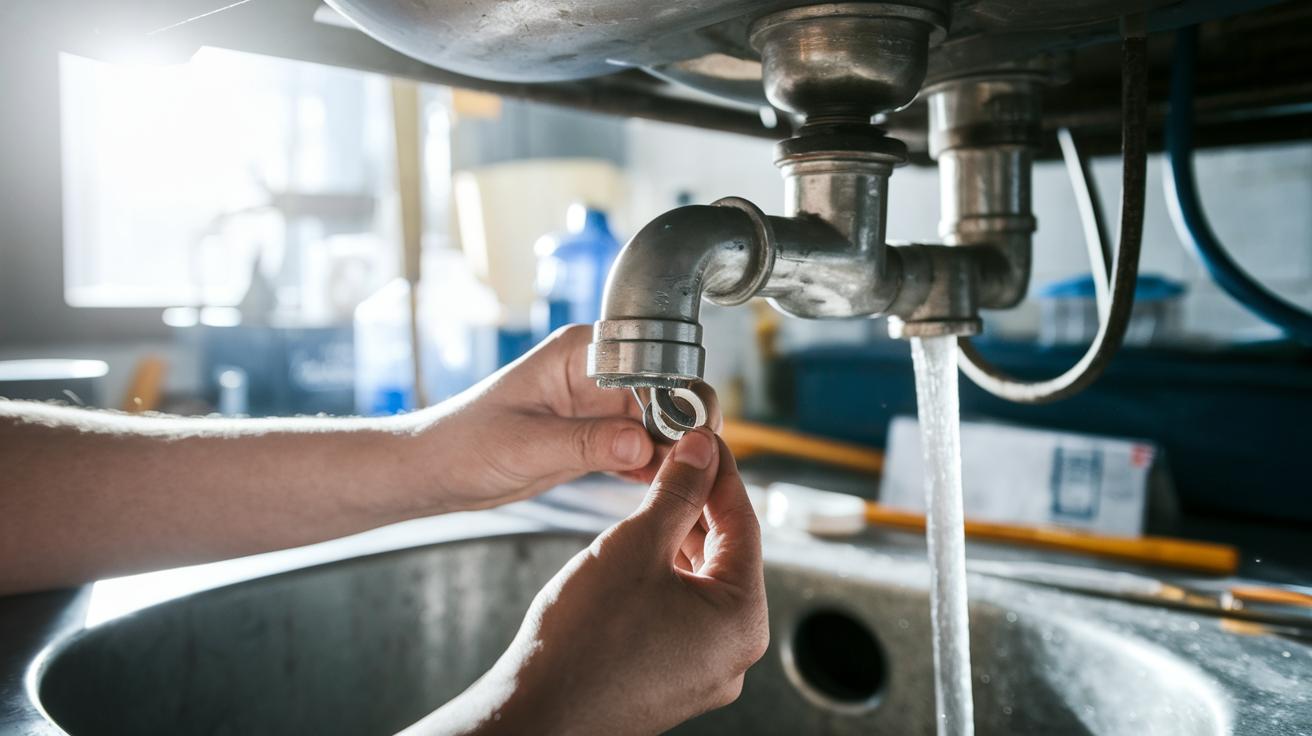
Learning simple home repairs can save you money and boost your confidence. By handling small fixes yourself, you don't have to rely on professionals, which also helps you learn and gain control over your space.
Gaining these handyman skills means you can fix everyday problems quickly. Whether you’re repairing a leak or patching a small hole, each task builds your DIY know-how. You start small, like fixing a faucet, and soon you can tackle bigger projects.
- Replace washers or cartridges to fix a leaky faucet.
- Unclog drains using a plunger, drain snake, or a mix of baking soda and vinegar.
- Patch wall holes with spackling paste and sand them smooth.
- Replace light fixtures or switches by turning off the power at the breaker first.
- Assemble furniture using clear, step-by-step instructions.
- Hang shelves or artwork by locating studs or using wall anchors.
- Test smoke detectors monthly and replace them every 8–10 years.
- Clean gutters twice a year using gloves, a small shovel, and proper safety measures.
- Fix squeaky or sticking doors by tightening the hinges and sanding the edges.
Each of these skills lowers your repair costs and builds a sense of achievement. With every project, you become more ready to handle future fixes, keeping your home safe and well-maintained.
Plumbing Handyman Skills for Homeowners: Fixing Leaks and Drains
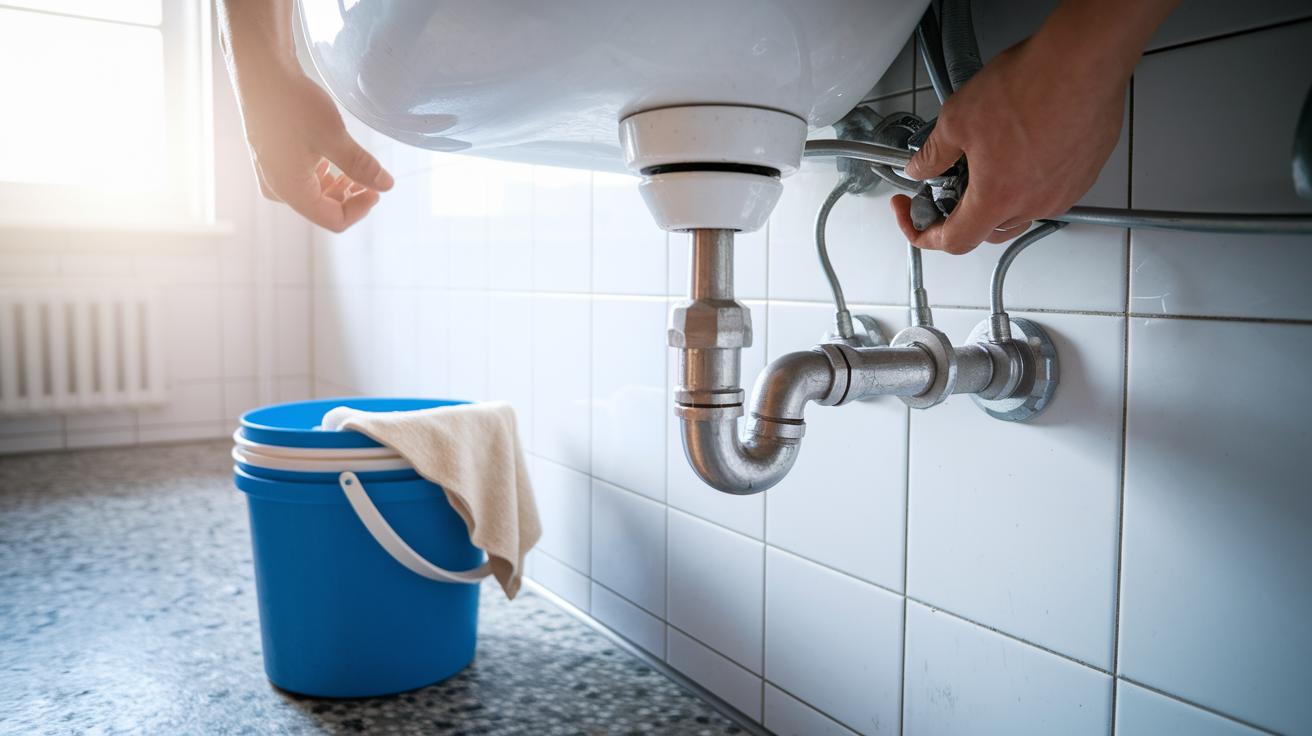
Before you start any plumbing repair, turn off the water at the closest shut-off valve. This simple step helps you avoid water damage and keeps you safe. Keep a bucket and some towels nearby for drips or spills. If you're not sure how the faucet works, check its manual. Always look for leaks before and after you repair to help prevent accidents.
Fixing a Leaky Faucet:
- Turn off the water at the shut-off valve.
- Remove the faucet handle by unscrewing its mounting screws.
- Replace the old washer or cartridge with a new one.
- Reassemble the faucet and test it to make sure no water leaks.
Unclogging a Drain:
- Use a plunger to clear away any blockages.
- Pour ½ cup baking soda and then ½ cup vinegar into the drain.
- Let the mixture work for 10–15 minutes, then flush the drain with hot water.
- If the drain is still clogged, take off and clean the P-trap under the sink.
Electrical Troubleshooting Handyman Skills for Safe Repairs
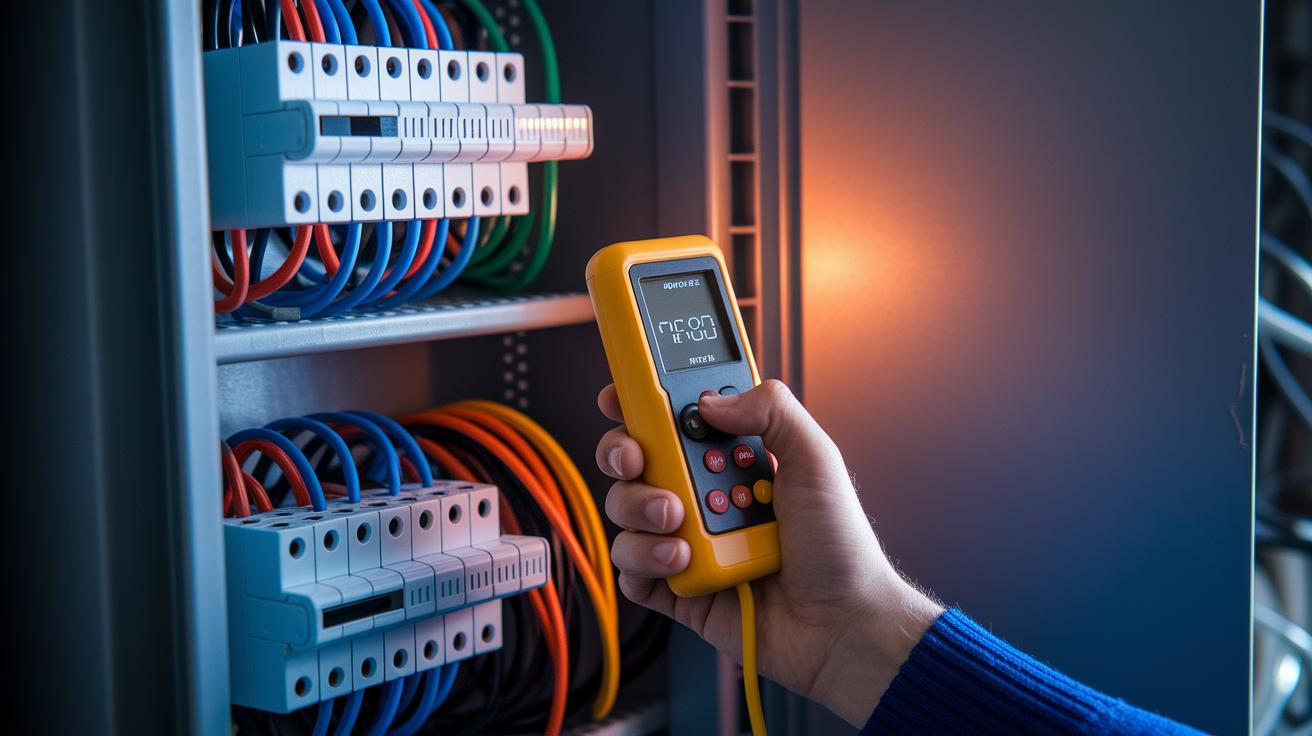
Electrical work can be dangerous if proper safety steps are not followed. Always check that the power is off and use a voltage tester before starting. Even a small mistake can lead to an electric shock or damage a circuit. Follow clear steps and know your limits.
Resetting a circuit breaker is a common task if a circuit trips unexpectedly. First, find your electrical panel and locate the breaker that has switched off. Then, switch it fully off and turn it back on. Use a voltage tester to check that there is no power in the circuit before you continue. Afterward, double-check your work to ensure the panel is secure.
To replace a light fixture or a switch, start by turning off the power at the breaker box. Test the wires to make sure they are not live. Remove the old fixture or switch, and then connect the new one by matching the wire colors carefully. Secure the fixture properly. If you feel uncertain at any step, consider reviewing “Electrical Safety for DIYers (when to call an electrician)” for extra guidance.
Smoke detectors are essential for home safety. Test your smoke detector each month by pressing its test button. Replace the battery once a year, and plan to change the entire unit every 8–10 years. These steps help ensure your detector will work properly in an emergency.
Carpentry Handyman Skills for Common Home Repairs
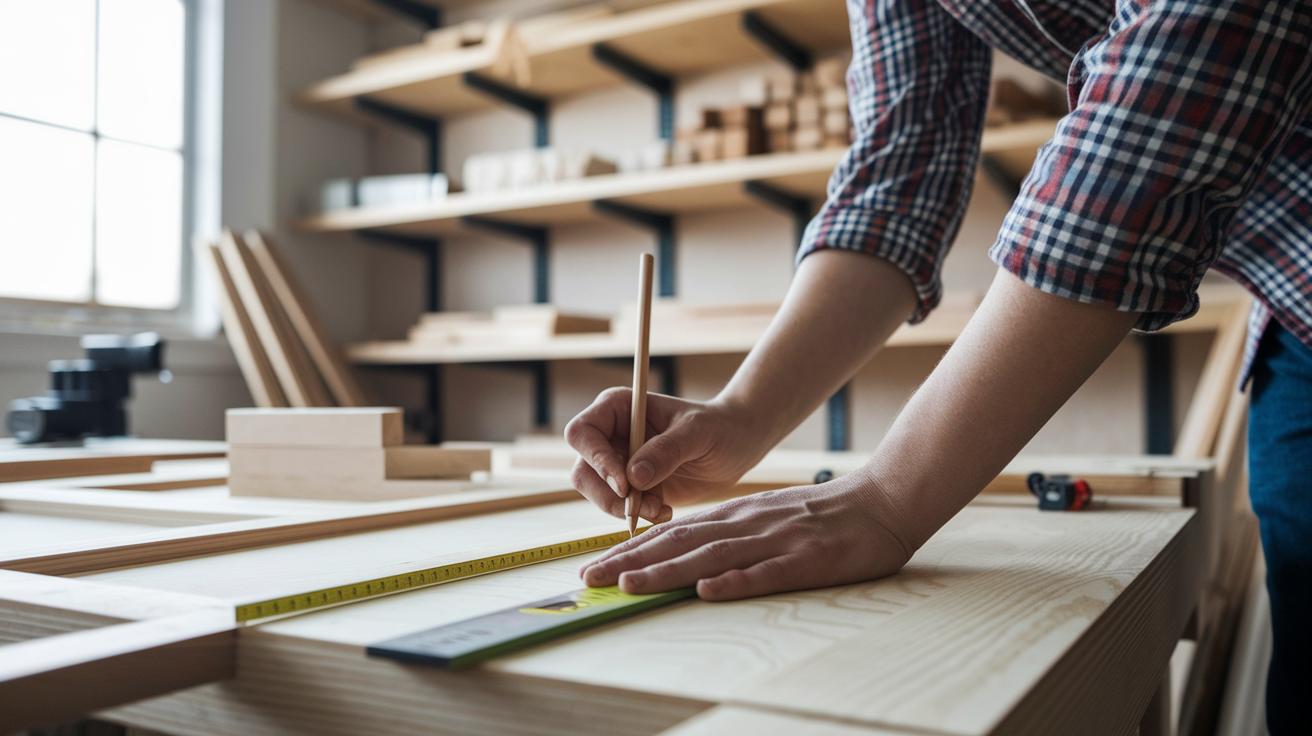
Precision matters in carpentry. When you measure and cut accurately, your work not only looks better but stays strong.
Accurate Measuring Techniques
Use a tape measure, speed square, and pencil. They help you mark accurate cuts and angles. Always measure twice before making a cut. Mark clearly and check with a level if needed. This careful planning keeps joints aligned and saves you time and materials.
Installing Shelving & Wall Storage
Start by finding the wall stud. A stud finder will show you the best spot for your brackets. Before drilling, measure and level your marks. This simple step ensures your shelves are secure and straight.
Door Hinge Repairs & Alignment
Fix squeaky or sticky doors by applying WD-40 on the hinges to reduce friction. If a door doesn't line up, tighten the hinge screws and lightly sand the door edge. These steps smooth door movement and help everything work just right.
Painting and Drywall Handyman Skills for a Flawless Finish
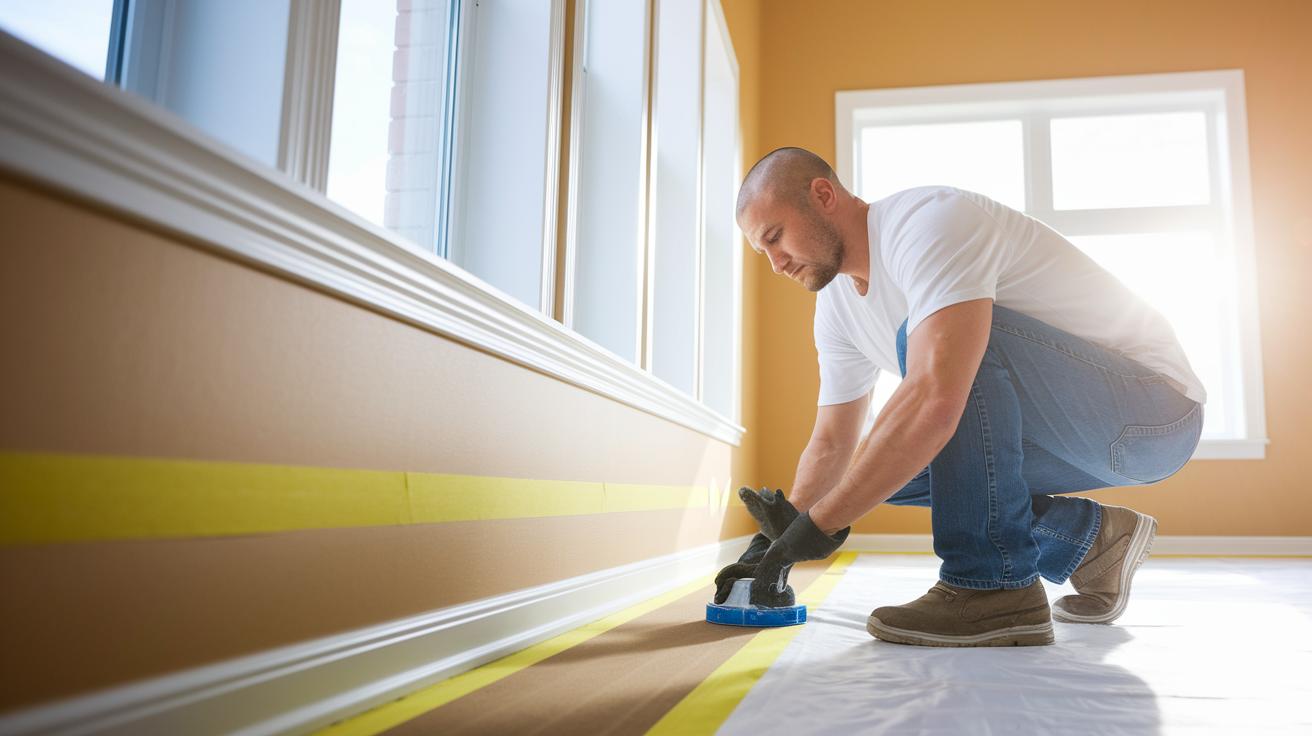
A good finish can truly brighten your home. Proper surface prep makes your colors pop and helps your paint last longer. When you take time now, you avoid extra work later and get a look that feels professional.
Painting Techniques
- Clean and sand the walls. Remove any dirt and grease first.
- Apply painter’s tape along trim and edges. Think of the tape like drawing clear borders around your art.
- Prime any raw or dark surfaces to help the paint stick evenly and keep the final color true.
- Let the primer dry completely before you add your chosen paint. This careful step helps prevent drips and uneven patches later.
Drywall Patching & Caulking
- Clean the damaged area well.
- Use a putty knife to apply a thin layer of spackle or joint compound. Smooth it out evenly.
- Let the compound dry and then sand the area until it feels smooth to the touch.
- Remove any old caulk from gaps around windows, tubs, or baseboards.
- Choose silicone caulk for wet areas or latex caulk for dry spots. Use a caulk gun to apply a steady bead.
- Smooth the caulk for a neat finish, like icing spread evenly over a cake.
Seasonal Maintenance Handyman Skills to Prevent Costly Repairs
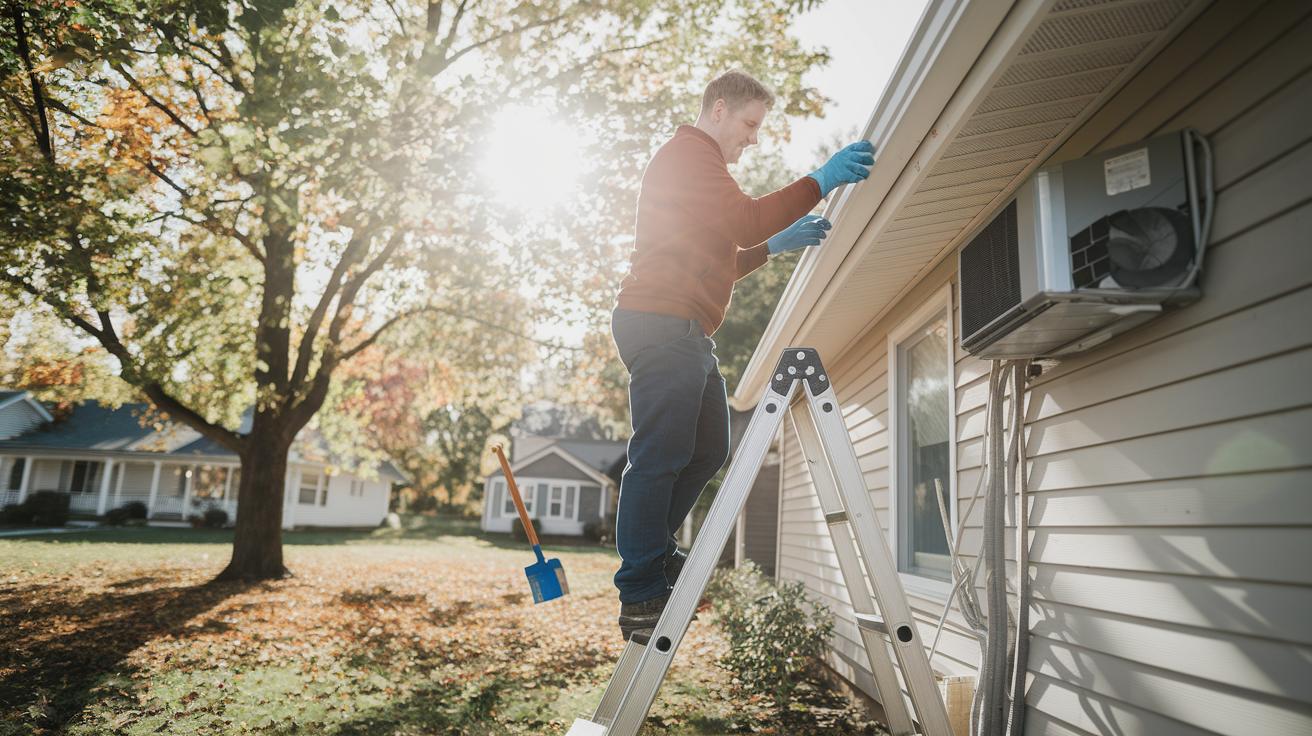
For spring and fall, clear your gutters to keep water from backing up and causing roof leaks. Use a sturdy ladder, gloves, and a small shovel to remove debris. Check that the gutters slope so water flows safely away from your home.
Change your HVAC filter every 1 to 3 months for the best performance. Open the access panel, remove the old filter carefully, and inspect the area for dust buildup. Then, install the new filter as recommended by the manufacturer (some filters need replacing more often during heavy use or seasonal changes).
Also, inspect other important parts of your home. Look over the roof flashings for any cracked or peeling caulk. Clean out the dryer ducts to remove lint and reduce fire risk. Finally, check seals and vents for any air leaks that might worsen with changing temperatures.
Emergency Handyman Skills: Quick-Fix Strategies for Homeowners
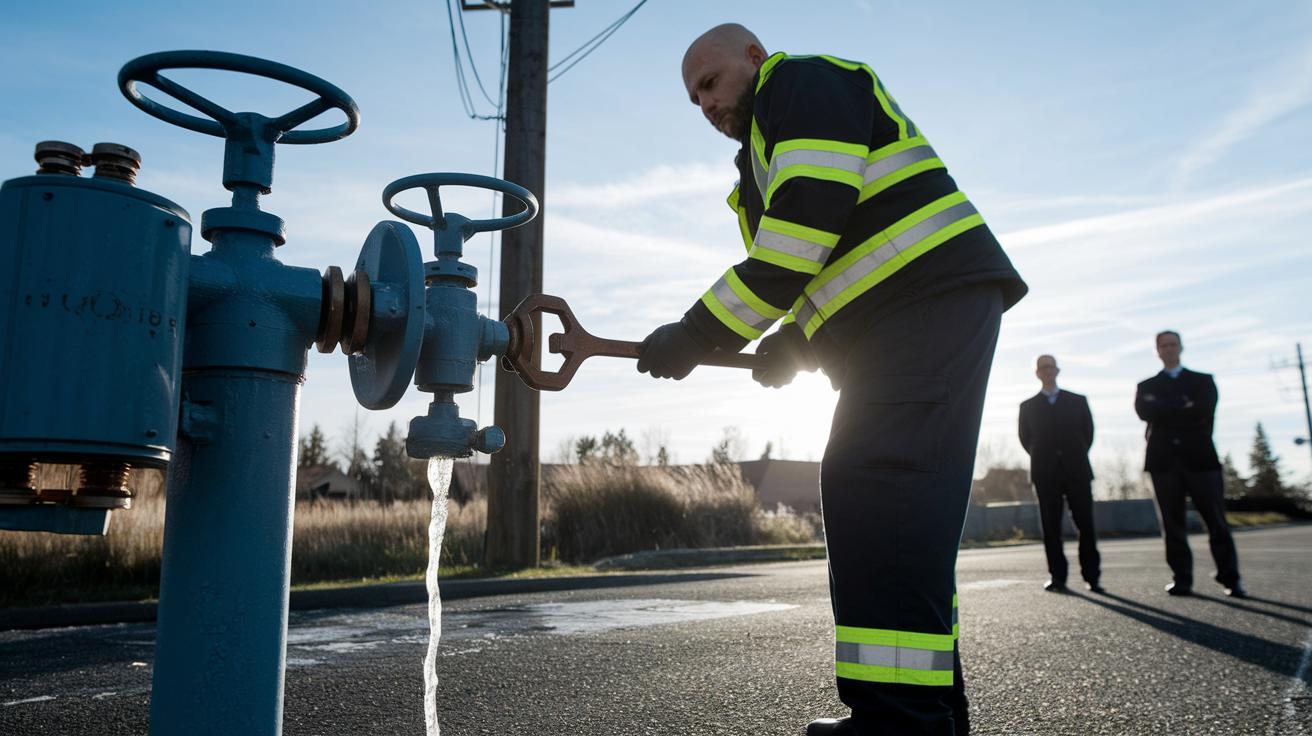
When an emergency strikes, start by securing the area. Turn off any involved utilities like water, gas, or electricity immediately. This simple action stops more damage and keeps you safe. For example, if a water pipe bursts, shut off the main water valve to stop flooding.
If you detect a problem, such as a faint gas smell or unusual electrical sparks, leave the area right away. Evacuate and call emergency services before you try any repairs. For instance, if you smell gas, exit and notify your gas provider immediately.
Keep your focus on stabilizing the situation until help arrives. Use temporary measures instead of full repairs. For example, apply emergency caulk made for quick setting in high moisture, but only if it’s clearly labeled for emergency use.
Always put your safety first. Wear protective gear like gloves and goggles, and block off the area to prevent injuries. If you’re unsure about the risks of a quick fix, pause and call a professional.
Setting Up a Home Workshop and Tool Care Handyman Skills
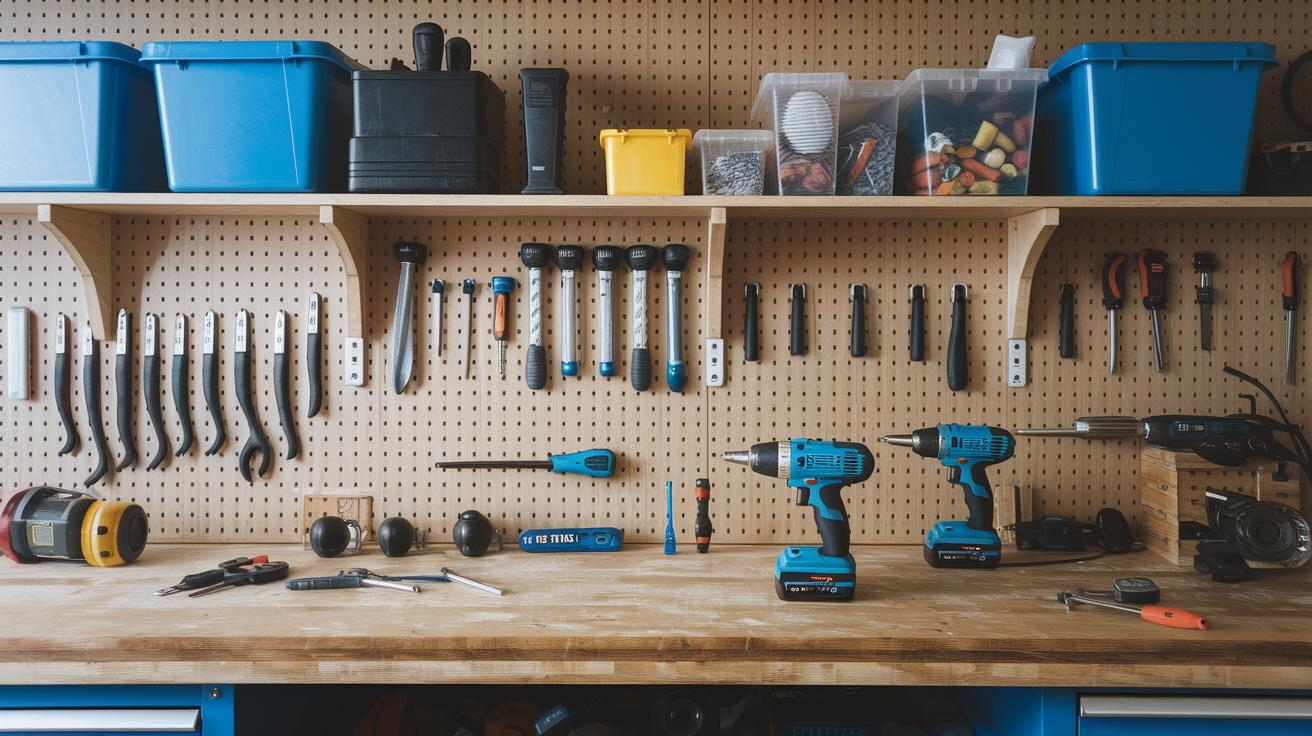
Plan your workshop for a smooth workflow. Set up a dedicated area with a strong workbench, a pegboard, and storage bins for your tools like a hammer, screwdrivers, tape measure, pliers, and adjustable wrench. This keeps your space organized and your tools within reach.
Pick the right tools by focusing on quality and purpose. A basic home toolkit should have reliable hand tools and key power tools such as a cordless drill and a sander. A proper kit saves time and makes sure you have the right tool for every repair.
Read the tool manuals before you get started. Secure your workpieces and always wear safety gear like goggles, gloves, and ear protection. These steps help you work safely when drilling, sanding, or cutting.
After each project, take time to care for your tools. Wipe off dust, oil any moving parts, and store them in a dry area to avoid rust. Regular maintenance keeps your tools in top shape for the next job.
Final Words
In the action, we broke down essential projects that build your DIY toolkit, from tackling leaky faucets and unclogging drains to wiring safe light fixture changes, perfecting precision in carpentry, achieving a polished wall finish, and keeping seasonal upkeep in check. We also looked at quick emergency fixes and setting up a home workshop.
Mastering these handyman skills every homeowner should know not only boosts your confidence but saves money in the long run. Enjoy your projects and trust your growing expertise.
FAQ
Q: What essential tools should every homeowner have?
A: The essential tools every homeowner should have include basic hand tools like a hammer, screwdrivers, tape measure, pliers, and an adjustable wrench, along with a cordless drill for efficient DIY repairs.
Q: What essential home repair skills should a homeowner master?
A: The essential home repair skills homeowners should master include fixing leaky faucets, unclogging drains, patching walls, replacing fixtures, and safely handling power tools to ensure lasting repairs and cost savings.
Q: What are the basic maintenance skills every homeowner should know?
A: The basic maintenance skills every homeowner should know include fixing minor leaks, unclogging drains, patching holes, tightening door hinges, and replacing filters, which help maintain a safe, efficient home.
Q: What skills does a handyman need to safely repair a home?
A: The skills a handyman needs to safely repair a home cover plumbing fixes, electrical troubleshooting, carpentry, painting, and seasonal maintenance, all backed by proper tool handling and safety practices.
Q: Can a handyman really make 100K a year?
A: The potential for a handyman to earn 100K a year is real when diverse skills, a steady client base, and efficient time management combine with quality work and consistent service delivery.
Q: What is the DIY Playbook on Amazon?
A: The DIY Playbook on Amazon is a resource that offers step-by-step project guides, tool recommendations, and practical tips, making it easier for beginners to start and complete home repair tasks confidently.