If you're unsure which tool to choose for your DIY project, you're in good company. A rotary tool spins at high speeds to let you engrave, micro-sand, or work in tight spaces. On the other hand, an oscillating tool gives you extra torque for cutting wood or metal. This guide explains each tool's key features and benefits so you can pick the right one for your task.
Oscillating vs Rotary Tools: Quick Buying Recommendation

For DIY projects that call for fine engraving, micro-sanding, or drilling small holes, a rotary tool works great. It spins fast at up to 35,000 rpm and uses different bits for detailed tasks. These tools are light and affordable, perfect for tight spaces where precision is key. For instance, if you're adding intricate decorative engravings on wood or metal, a rotary tool gives you the control you need.
On the other hand, oscillating tools work by moving in small, rapid angles (up to about 20,000 oscillations per minute). This action creates higher torque, making them better for tougher jobs like plunge cuts, removing grout, and cutting through heavy materials like wood, metal, or plastic. They often come with blade or pad attachments that help you get clean, precise cuts even in small areas. Corded versions are best if you're working for a long time, while cordless models give you flexibility as long as you keep an eye on the battery.
Quick decision guide:
- Choose a rotary tool if you need precise, detailed work with less force and lower cost.
- Choose an oscillating tool if your project needs more torque, strong cutting power, or long sessions on heavy materials.
Tip: Always match your tool to your project needs to work efficiently and safely.
Deep Dive into Rotary Tools: Features, Attachments & Performance
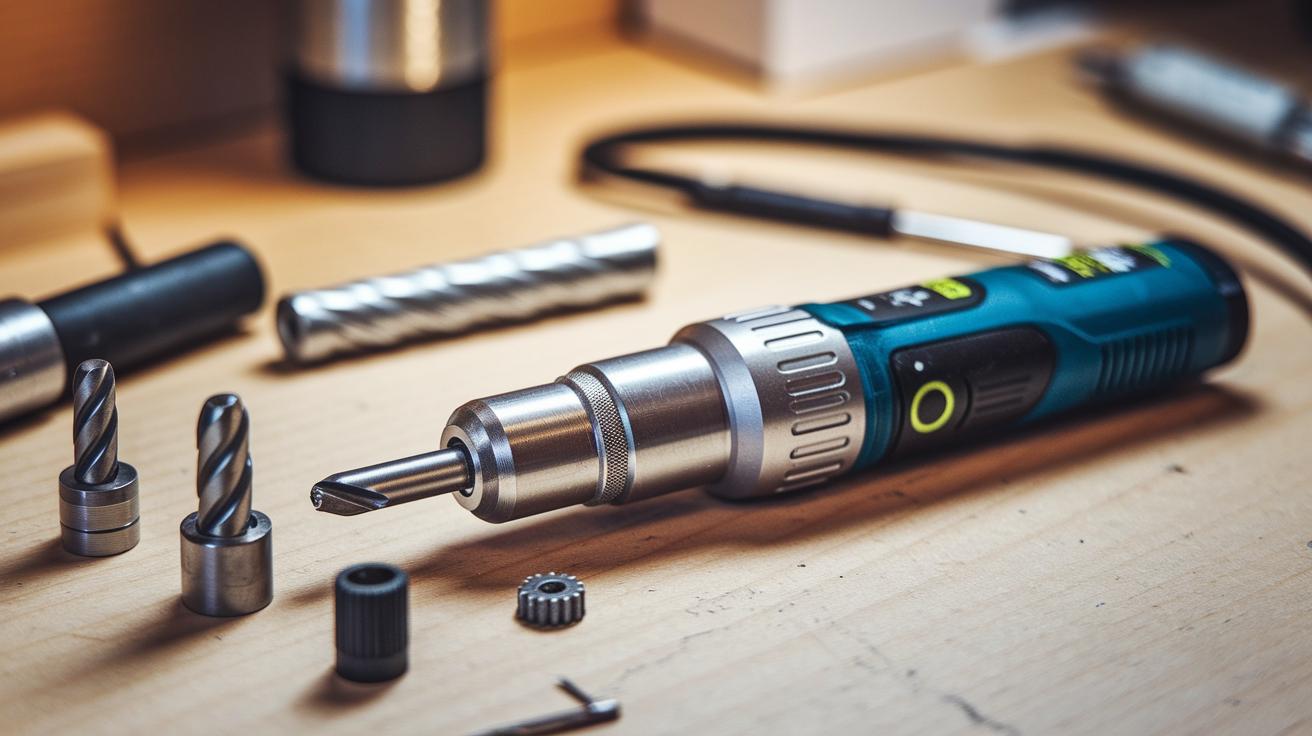
A rotary tool is a handy, small device that runs on electricity or batteries. It spins up to 35,000 rpm, making it great for precise cuts. You can use different attachments like drill bits, wire wheels, cutting discs, sanding tips, or tiny circular blades. These let you work on wood, metal, plastic, stone, tile, and leather. For example, you can attach a precision engraving bit to neatly carve fine details on a metal surface.
This tool can even serve as a mini router or drill when the right bit fits. Its compact size makes it perfect for tight or hard-to-reach spots. You can easily swap accessories to keep your projects flowing smoothly.
Corded models deliver steady power over long tasks, while cordless versions give you more freedom to move around. Battery life is key for cordless tools. One good example is the HARDELL Mini Cordless Rotary Tool, which has USB rechargeability and five speed settings. The Milwaukee 12V Cordless Rotary Tool also balances power and portability well. Among the best options is the Dremel 4000 High-Performance Kit. It comes with two attachment heads, 30 accessories, and a handy carry case – a must-have for any homeowner’s toolkit.
Tip: Experiment with different attachments and speeds. Always pause to check that the bit is as firm as a stamp on paper before you continue.
Oscillating Tools Explained: Mechanism, Attachments & Use Cases
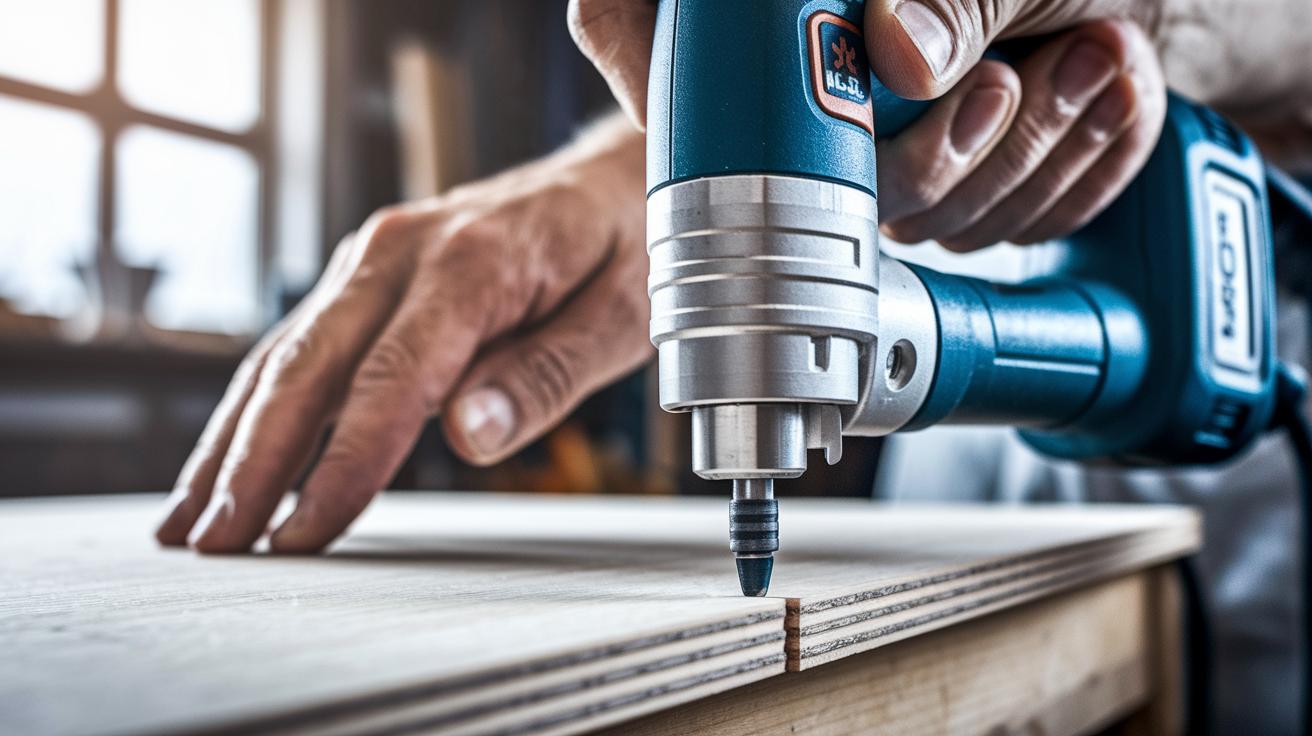
Oscillating multi-tools create very small back-and-forth movements at 20,000 oscillations per minute instead of spinning continuously. This rapid motion gives you excellent control in tight spaces. Think of it like a saw that taps quickly, helping you trim delicate edges with care.
These tools accept many different attachments. You can swap in dedicated blades, sanding pads, or firm scrapers. Other choices include HCS wood blades, bimetal wood/metal blades, delta sanding pads, and carbide/diamond grout accessories. This variety lets you handle tasks like precise cuts, grout or caulk removal, and careful trimming.
They work great for detailed trim work, reaching hard spots, and even light demolition. In renovation projects, these tools help remove old caulk or grout without damaging nearby materials. You can also use them for fine cuts on wood, metal, and plastic.
When picking between corded and cordless models, think about your work needs. Corded models offer constant power for longer projects, while cordless ones give more mobility, though their runtime depends on battery capacity (Ah). Tip: Always check that your attachment is secure to prevent any slippage during use.
Performance Face-Off: Cutting, Sanding & Engraving with Oscillating vs Rotary Tools
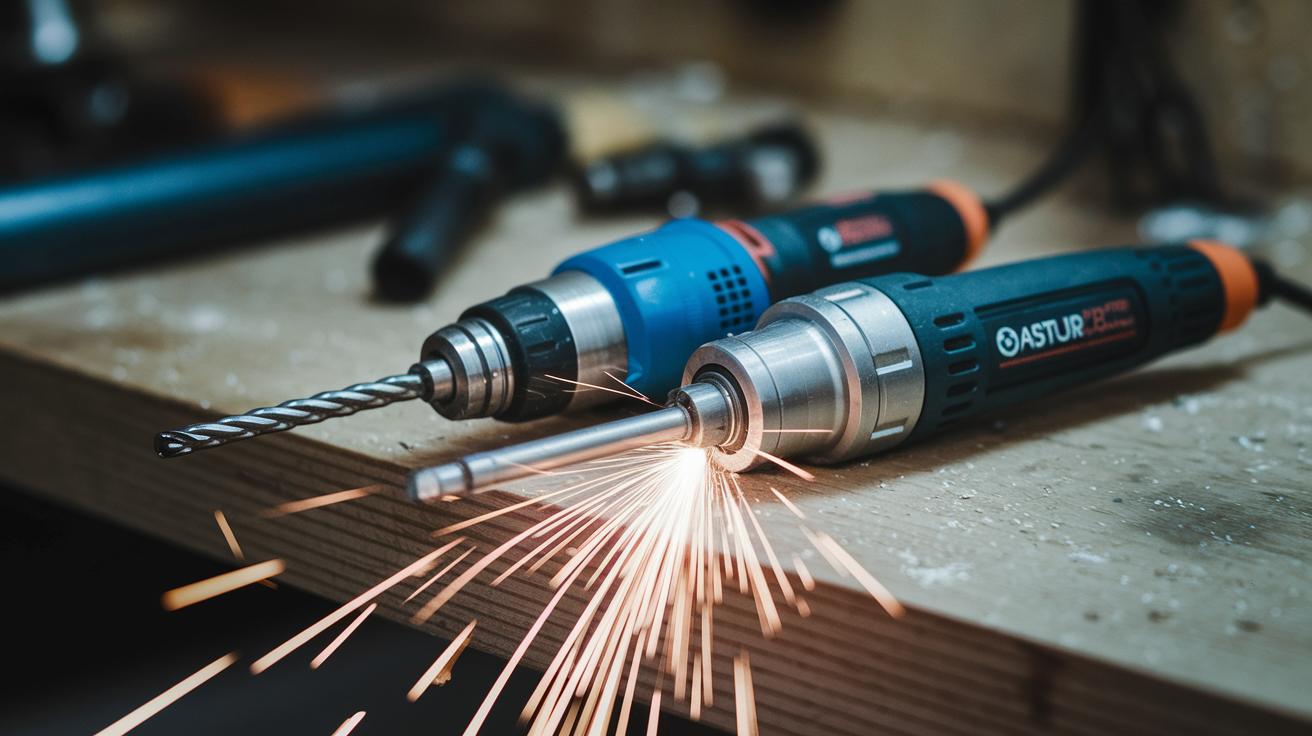
Rotary tools work best for detailed tasks. They spin fast, up to 35,000 rpm, which lets you do fine engraving and small sanding easily. When you are carving a small wood detail, a rotary tool feels light and quick, much like an artist’s brush.
But when you need to work with hard materials or make deep cuts, an oscillating tool is the way to go. Its small, rapid movements create high torque. This makes it perfect for plunge cuts and removing grout.
Each tool has its own strengths. Rotary tools excel at engraving and sanding because of their speed and compact design. Meanwhile, oscillating tools are bulkier but move heavy materials more efficiently when you use attachments like HCS blades or carbide/diamond blades. Below is a simple table that compares how these tools perform on common tasks:
| Task | Rotary Tool | Oscillating Tool |
|---|---|---|
| Engraving/detail work | 35k rpm, light and precise | Not ideal for fine details |
| Micro-sanding | Small sanding tips, high speed | Uses delta pads, moderate speed |
| Cutting PVC/Plastic | Mini circular blade, slower cuts | HCS blade, faster results |
| Grout removal | Needs a grout bit, slower action | Carbide/diamond blade, works efficiently |
| Plunge cuts | Shallow cuts, slow feed | High torque for clean plunge cuts |
These side-by-side comparisons help you choose the right tool based on whether you need precision, speed, or power for your project.
Budget Breakdown: Cost Comparison of Oscillating vs Rotary Tools
Entry-level rotary tools are very affordable. You can usually find them for $20 to $50. They work well for light tasks like engraving, sanding, and simple drilling. If you have small projects and a tight budget, these tools are a smart choice.
Oscillating multi-tools cost a bit more. They typically start at $70 and can go up to $150. These tools pack more power and torque. This extra strength makes them great for tougher jobs like plunge cuts, trimming, and grout removal.
Top-rated kits also factor into the cost-versus-quality discussion. For instance, the Dremel 4000 kit costs about $100. It comes with several heads and many accessories, offering an all-in-one solution for DIYers. Another example is the HARDELL Mini cordless rotary tool. It is a cost-effective choice and even lets you recharge it by USB.
Remember to think about long-term costs too. Replacement bits, blades, sanding pads, and extra batteries can add up. Decide if an entry-level rotary tool meets your needs or if an oscillating tool will offer better performance and last longer in your projects.
Ergonomics & Maintenance for Oscillating and Rotary Tools

Rotary tools vibrate at high speeds. These vibrations can tire your hands on long projects. Oscillating tools feel heavier but they give you more control. Today’s tools often include handles that absorb vibration. This makes them easier to use over long periods.
Regular upkeep keeps both tool types working well for longer. First, clean the tool housing and clear dust from the vents. This prevents the tool from overheating. Next, sharpen or replace blades, pads, and motor brushes so they work efficiently. Lubricate moving parts like gears and bearings to reduce friction. For cordless tools, avoid fully draining the battery and store it in a cool, dry spot.
Maintenance steps to follow:
- Clean the housing and remove dust from vents.
- Sharpen or replace blades, pads, and motor brushes.
- Lubricate moving parts.
- Check the vibration-dampening feature for wear.
- Store cordless batteries properly.
Spending a little time on maintenance can save you money and effort. By checking ergonomics such as weight balance and handle comfort, you can reduce fatigue. Regular care not only protects your tools but also makes your work safer and more efficient.
Selecting the Right Oscillating or Rotary Tool: Key Factors for Project Success

Use this quick checklist to be sure you pick the best tool for your project. For more details, check out the sections on Quick Buying Advice, Performance Comparisons, and Budgeting.
-
Project scope and complexity
If your job involves smooth curves and heavy material removal, choose a tool that handles each task well. (See Quick Buying Advice.) -
Material hardness and thickness
When choosing between soft wood and hard metal, remember that a speedy rotary tool works for light tasks, while an oscillating tool is better for tougher jobs. (Review Performance Comparisons.) -
Detail level and finish requirements
If you need a very smooth finish, consider using fine attachments. (Check Maintenance for tips.) -
Power source preferences
Decide whether you need a corded tool for long, stable work sessions or a cordless one for more flexibility. (Refer to Budgeting.) -
Ergonomic fit and weight
Pick a tool that feels balanced in your hand, almost like it was made just for you. (See our ergonomics discussion.) -
Budget and warranty considerations
Compare cost, warranty, and support to find the best value for your project. (See Budgeting and Warranty details.)
| Factor | Reference |
|---|---|
| Project scope and complexity | Quick Buying Advice |
| Material hardness and thickness | Performance Comparisons |
| Detail level and finish requirements | Maintenance |
| Power source preferences | Budgeting |
| Ergonomic fit and weight | Tool Ergonomics |
| Budget and warranty considerations | Budgeting & Warranty details |
Expert Picks: Top Rotary and Oscillating Tools on the Market
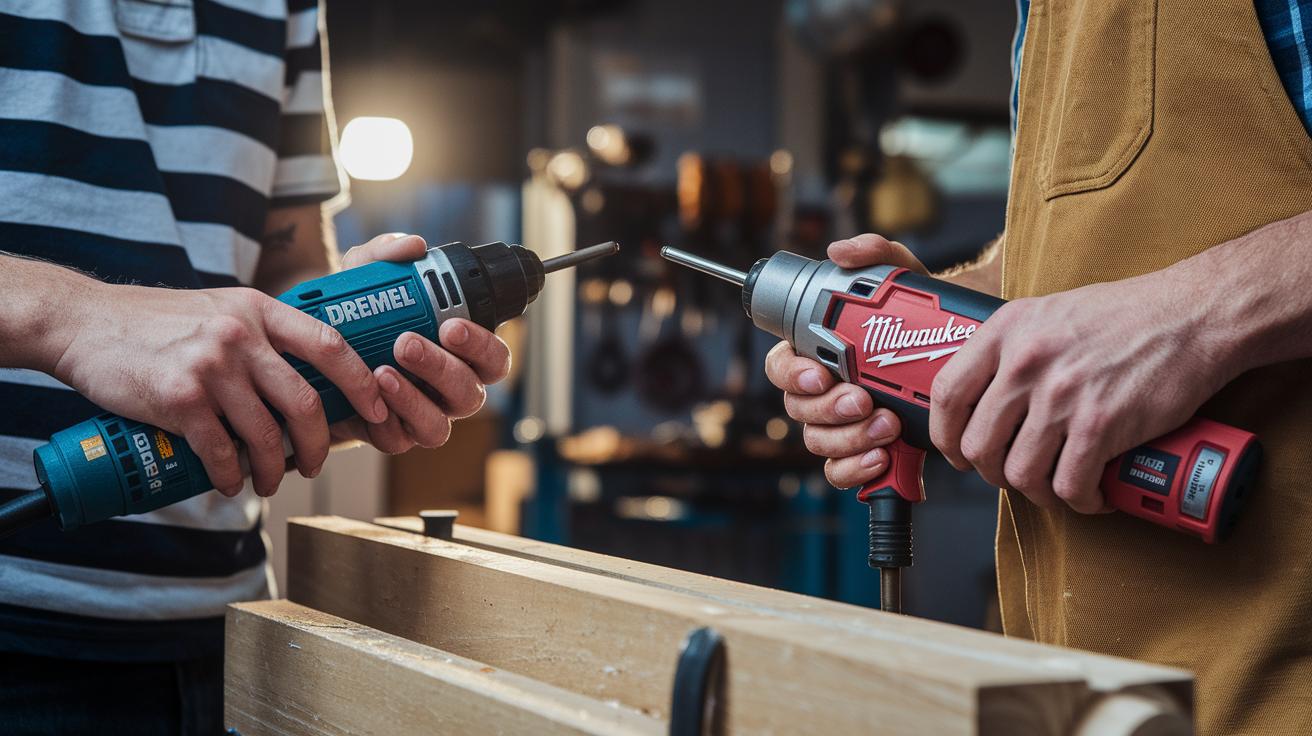
Our experts have gathered new insights based on real user feedback and the latest market trends. They share what makes these tools stand out for both detailed work and everyday projects.
For rotary tools:
• Dremel 4000 High-Performance Kit
User reviews highlight its excellent control for engraving and micro-sanding. One DIYer said it delivered flawless finesse on detailed wood routing. Its flexibility makes it a great choice for precise projects.
• Milwaukee 12V Cordless Rotary Tool
Many professionals love its strong battery and compact design for outdoor jobs and tight spaces. An expert mentioned its battery life really shines during long sessions, making it perfect for work where power outlets are hard to find.
• HARDELL Mini Cordless Rotary Tool
This tool comes with USB recharge and several speed settings. Users appreciate its ease for hobby projects. One reviewer noted that quick speed changes made a big difference during fine model work.
| Product | Unique Usage Scenario | Expert Insight |
|---|---|---|
| Dremel 4000 | Great for precise engraving and micro-sanding | Known for control and versatility in detail work |
| Milwaukee 12V Cordless | Perfect for outdoor tasks and confined spots | Praised for strong battery life and compact form |
| HARDELL Mini | Ideal for hobby projects and quick speed adjustments | Favored for its USB charging and adaptable speed options |
For oscillating tools, experts recommend models that operate at over 20,000 oscillations per minute and feature a quick-change accessory system. User tests show that these tools excel in tear-down work, careful remodeling, and cutting various materials. Check the motor power, speed settings, and comfort design to ensure you get precise cuts while reducing hand fatigue.
• Tip: Read recent user reviews and expert opinions to choose a tool known for both reliability and efficiency.
• Example: One user said, "Adjusting the tool’s speed dial made cutting through layered material much smoother," illustrating how performance can vary like the difference between a butter knife and a chef’s knife.
Final Words
In the action, we compared rotary tools and oscillating tools, so you know what to expect in performance and cost. We broke down speed, precision, ergonomics, and maintenance to make the choice clear. The guide helps you decide which tool best fits your DIY needs. Whether you lean toward heavy-duty cuts or fine detail work, use our tips for a confident pick on oscillating tool vs rotary tool (which to buy). Keep experimenting and build your tool confidence for a successful project!
FAQ
What is the difference between a rotary tool and an oscillating tool?
The difference is that rotary tools use high-speed spinning bits for engraving, sanding, and drilling, while oscillating tools use micro-angular motions for precise plunge cuts, grout removal, and heavy-duty tasks.
How do oscillating multi-tools work and are they worth buying?
Oscillating multi-tools use rapid, short-angle movements to cut and sand in tight spaces. They are worth buying if you need versatile attachments for precision trimming, grout or caulk removal, and other varied projects.
How do popular brands like DEWALT, Milwaukee, and Dremel compare in these tool types?
DEWALT and Milwaukee provide robust oscillating and rotary models with durable builds for heavy-duty tasks, while Dremel excels in fine detail work with a wide range of rotary attachments for precise, creative projects.
How does a drywall cutout tool compare to a standard oscillating tool?
A drywall cutout tool is a specialized oscillating attachment designed for precise drywall removal, while a standard oscillating tool offers a variety of accessories for different materials and complex cutting tasks.
Which oscillating or rotary tool is best for multi-purpose use?
The best multi-purpose tool depends on your project needs. Rotary tools are ideal for fine engraving and sanding, while oscillating tools offer versatility for heavy cuts and removals. Consider your materials, precision, and budget when choosing.