Ever wondered why some tools outlast others? You don't have to spend a lot of time or money to keep them in good shape. Spend just 15 minutes each month to check your drills, saws, and shop vacs for small problems before they grow. All you really need is a brush and some dry lubricant. In this guide, we'll walk you through easy steps to boost your tools' life, help you work safely, and save money on repairs.
DIY Tool Maintenance Guide: Core Steps for Safe and Efficient Tool Care
Spend just 15 minutes each month on a simple routine to keep your tools safe and working well. In this guide, we break down easy steps for taking care of both power tools and hand tools. All you need is a brush, some cloths, a dry lubricant, and contact cleaner. These supplies will help you keep saws, drills, shop vacs, and other tools in top shape. A digital reminder can help you stay on track.
You don’t need expensive products or special equipment to maintain your tools. Instead, follow these simple steps to check key areas that affect safety, accuracy, and reliability:
- Check blades and bits for any chips or bends.
- Verify that batteries are stored at 40–60% charge.
- Clean dust from shop vac filters and dust ports.
- Apply dry lubricant to rails, slides, and moving joints.
- Inspect power cords for any nicks or signs of wear.
Regular maintenance is the key to a longer tool life. Spending 15 minutes each month can lower the risk of breakdowns and costly repairs. This routine helps prevent damage and injury while keeping your tools performing at their best.
DIY Tool Maintenance Guide: Inspecting and Troubleshooting Your Tools

Take a few minutes before you start any project to check your tools. This simple routine keeps you safe and prevents damage to both hand tools and power tools like drills, saws, sanders, and shop vacs.
We recommend doing all your checks at once. This helps you catch problems early and avoid expensive fixes later.
- Look at blades and bits. Check for chips, bends, or dull edges. For example, make sure a saw blade has all its teeth and no frayed edges.
- Test battery health. Ensure it holds a charge between 40% and 60%. For instance, use a voltage tester on a cordless drill battery and verify it is in the proper range.
- Inspect cords and plugs. Run your hand along a power tool cord to feel for cuts, nicks, or worn insulation. These can lead to electrical hazards.
- Check shop vac filters and dust ports. Make sure there is no dust blocking the suction. A clear filter helps the vacuum work safely.
- Set a reminder on your phone. Log these routine checks once a month so you never skip an inspection.
Take your time with these steps. Rushing or missing small signs of damage can lead to safety issues and affect the tool's performance.
DIY Tool Maintenance Guide: Effective Cleaning and Decontamination Methods
Clean your tools often to help them last longer. Dirt, grease, and rust can slow down moving parts and hurt their performance. Regular cleaning gets rid of the buildup that simple wipes might miss and stops damage before it starts.
Deep cleaning tackles stubborn grime hidden in corners and tight joints. Use a stiff brush to scrub off baked-on grease from metal parts. Spray contact cleaner on moving areas like rails and dust ports. A mix of mild detergent and water works well on larger surfaces to remove rust and buildup that can affect safety and function.
You don't need fancy products, everyday supplies do the trick. Gather a stiff brush, lint-free cloths, contact cleaner, and mild detergent. Always unplug power tools before you clean, and wear gloves if you need extra protection.
These steps keep your tools safe, efficient, and ready for any project.
DIY Tool Maintenance Guide: Lubrication and Preventive Maintenance Techniques
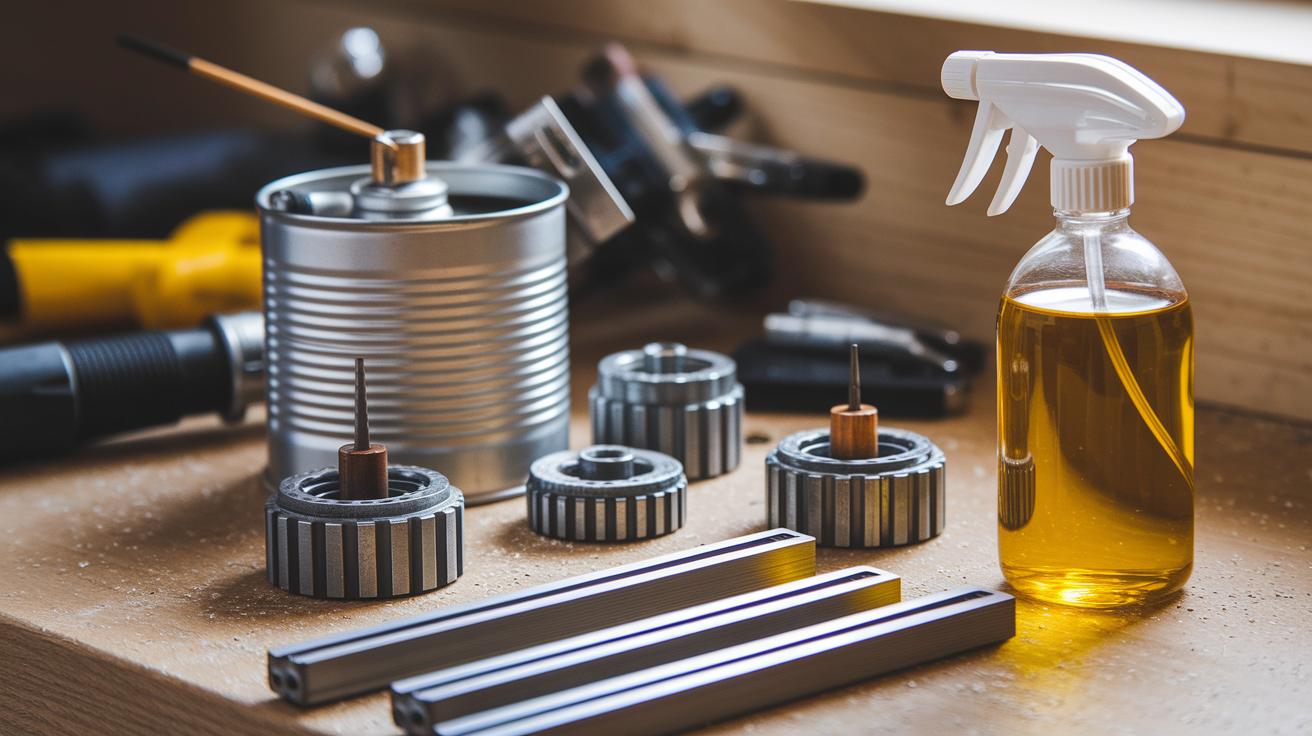
Pick the right lubricant for your tool. A good dry lubricant lowers friction on moving parts like rails, slides, and joints. It also resists moisture and keeps dust away. For example, using it on saw rails helps parts move smoothly without gathering dirt. This choice cuts wear and keeps your tools running well every day.
Regularly apply lubricant to key spots. Look for areas like drill motor bearings and sander joints. These parts often face high friction and heat buildup. Add a few drops to a moving joint or spray a gear train to reduce wear. This simple step supports safe and reliable tool performance.
Cover exposed metal parts with a clear protective coating to stop rust. A light layer shields metal from moisture and dust buildup. Do this task once a month to keep your tools in top shape and reduce damage risks. Use a maintenance log or set a digital reminder to stick with your routine.
DIY Tool Maintenance Guide: Sharpening, Adjustments, and Repair Methodologies
Sharpening your tools is a key step for safe and smooth work. Dull blades or chisels need extra force, which can lead to slips or accidents. Use a sharpening stone for hand saws or a bench grinder for saw blades, and always follow the tool maker's instructions. Hold the tool at the right angle and move steadily along the edge until it feels smooth and ready to work. A sharp tool not only performs better but also lowers the risk of injury.
Every three months, take a closer look at your tools to catch issues that everyday checks might miss. Spend a bit of time to align and calibrate your equipment. Check that handles, joints, and moving parts line up with the manufacturer's specifications. If needed, use a tap-and-die set to rethread bolts. This regular check helps prevent wear, keeps your tools accurate, and extends their life.
When deciding whether to repair or replace a tool, act quickly to stay safe. Remove any tool that has cracked blades or parts that are badly damaged. For tools with minor nicks or a dull edge, a simple sharpening may be enough. However, if a tool shows serious wear or structural issues, it's best to replace it. This clear check helps you avoid common mistakes and keeps your tools reliable for every project.
DIY Tool Maintenance Guide: Scheduling and Maintenance Logbook Best Practices

Set up a monthly plan to keep your tools working well. For example, mark your calendar to do a full reset in June and December. In July, inspect the blades and bits, and in August, test battery health. For tools you use several times each week, add a quick check for dust and lubrication. A phone or email reminder can help you stick to these steps without missing a beat.
Create a simple log in a notebook or spreadsheet. Write down the day you inspected a saw blade or lubricated a shop vac’s moving parts. This log helps you spot problems early, so you can fix them before they get worse.
Keep your log short and clear. List the task, the date, and any observations like wear or damage. A digital note on your phone works fine. Being consistent with your records makes maintenance easier and helps your tools last longer.
Final Words
In the action, we covered clear maintenance steps for your tools. From quick monthly inspections and thorough cleaning to proper lubrication and sharpening, every tip is designed to keep your equipment safe and reliable.
We outlined scheduling routines, logbook tips, and essential supplies in our diy tool maintenance guide. Follow these simple steps to build skill and confidence. Your careful upkeep will help you avoid costly errors and finish projects with a smile.
FAQ
Frequently Asked Questions
Q: What does the DIY tool maintenance guide PDF provide?
A: The DIY tool maintenance guide PDF offers clear, step-by-step instructions for regular inspections, cleaning, and lubrication, helping you keep your tools safe and efficient.
Q: What information is in the care and maintenance of hand tools PDF?
A: The care and maintenance of hand tools PDF gives practical guidelines on inspecting, cleaning, and lubricating hand tools to improve safety and performance during your DIY projects.
Q: What is a tool repair shop?
A: A tool repair shop is a service center where skilled technicians fix and service damaged tools, restoring functionality and extending their lifespan for both professional and home use.
Q: How do I repair tools in Minecraft without losing enchantment?
A: Repairing tools in Minecraft without losing enchantment involves combining items or using a grindstone, which preserves their special properties while restoring their durability.
Q: What does fixing tool names involve?
A: Fixing tool names means correctly labeling or renaming tools after repairing them, ensuring clear identification and proper tracking of maintenance and repair records.
Q: Why is it important to use tools with insulated handles?
A: Using tools with insulated handles is important because the insulation protects you from electrical shocks by preventing accidental contact with live parts, thus enhancing safety during use.
Q: What does electric power tool repair include?
A: Electric power tool repair includes checking electrical cords, bearings, and switches, cleaning and lubricating moving parts, and replacing worn components to restore performance and maintain safety.
Q: What does the iFixit free repair manual PDF offer?
A: The iFixit free repair manual PDF offers comprehensive guides with detailed photos and steps for repairing various devices, empowering DIY enthusiasts to perform safe and confident repairs.