Ever been puzzled why a "20 V" tool sometimes works just like an 18 V one? The secret is in the voltage and battery capacity. Think of voltage like water pressure, it gives your tool the oomph it needs but may also add weight. Meanwhile, battery capacity tells you how long the tool will run before it needs a recharge. In this post, we break down these numbers to highlight what really matters. Read on to learn how to balance power and runtime for your next cordless tool purchase.
Choosing Cordless Power Tools by Voltage and Battery Basics
Cordless tools use voltage (V) and battery capacity (Ah) to show how they match your work needs. Think of voltage like water pressure from a hose: higher voltage gets more power to the tool but can also add extra weight. Most brands use similar lithium-ion cells, which run about 3.6 V each. For instance, a pack with 5 cells gives roughly 18 V. Some companies might call theirs 20 V to seem more powerful, but the real impact on performance is often small.
Battery capacity tells you how long the tool will run before needing a charge. It is measured in amp-hours (Ah). For example, a 2.0Ah battery can supply 2 amps for 1 hour or 4 amps for 30 minutes. Choosing the right capacity means you can work longer without stopping to recharge.
Focus on how the tool performs in real jobs, not just the marketing labels. Look for a balance between voltage, battery life, and tool fit for your projects. Have you ever timed how long your tools run to make sure they match your workload?
Understanding Voltage Ratings in Cordless Power Tools

Voltage matters when you pick a cordless tool. A single lithium-ion cell gives about 3.6 V. When you connect five cells in series, they add up to around 18 V. Some makers call it 20 V to catch your eye, but the tool runs like an 18 V model. Think of it like water pressure: more voltage gives the motor extra push, but it can also make the tool heavier.
When you choose a tool, think about how much power you need and how heavy the tool is. For small jobs like trimming or tiny repairs, a 12 V tool is usually enough. For everyday home projects, an 18 V tool offers a good mix of power and lightness. And if you plan on doing tougher jobs, a tool marketed as 20 V might just give you the extra boost, even though it really works like an 18 V tool.
| Voltage Class | Nominal Voltage (V) | Max Advertised Voltage (V) | Recommended Use Cases |
|---|---|---|---|
| 12 V | 12 | 12 | Light tasks, compact tools |
| 18 V | 18 | 18–20 | Home projects, medium-duty tasks |
| 20 V | 18* | 20 | Heavy-duty tools, higher performance |
For example, if you often work with thicker materials, moving from a 12 V tool to an 18 V tool can make a big difference. When you match the tool’s voltage with your job's demands, you get that extra muscle when needed.
Comparing Battery Chemistries for Optimal Performance
Your cordless tool’s battery life and strength depend a lot on its chemistry. Each type comes with benefits and some trade-offs. Here’s a breakdown to help you decide:
-
Ni-Cd (Nickel-Cadmium)
- Pros:
• Very tough and reliable after many years of use.
• Works well in very hot or cold weather. - Cons:
• Can suffer from a memory effect (a drop in capacity over time).
• Heavier than newer battery types, so they give a shorter run time for a similar size.
- Pros:
-
Ni-MH (Nickel-Metal Hydride)
- Pros:
• Holds a larger charge than Ni-Cd, which means longer use between charges.
• Has fewer memory issues compared to Ni-Cd. - Cons:
• They add extra weight to your tool.
• May slowly lose charge even when not in use.
- Pros:
-
Li-ion (Lithium-Ion)
- Pros:
• High energy density makes these batteries lighter and longer-lasting.
• No memory effect, so you get full power each time.
• When used with brushless tools, they help the tool stay cool and deliver steady voltage until nearly empty. - Cons:
• Cost more than the other types.
• Need careful handling and proper storage to work best.
- Pros:
For example, Black+Decker moved from 18 V Ni-Cd packs to 20 V lithium-ion models to boost both efficiency and overall performance. Weigh these factors for your specific work so you can pick the battery that gives you the best mix of power, run time, and lightness for your projects.
Balancing Runtime and Power Output in Cordless Tools
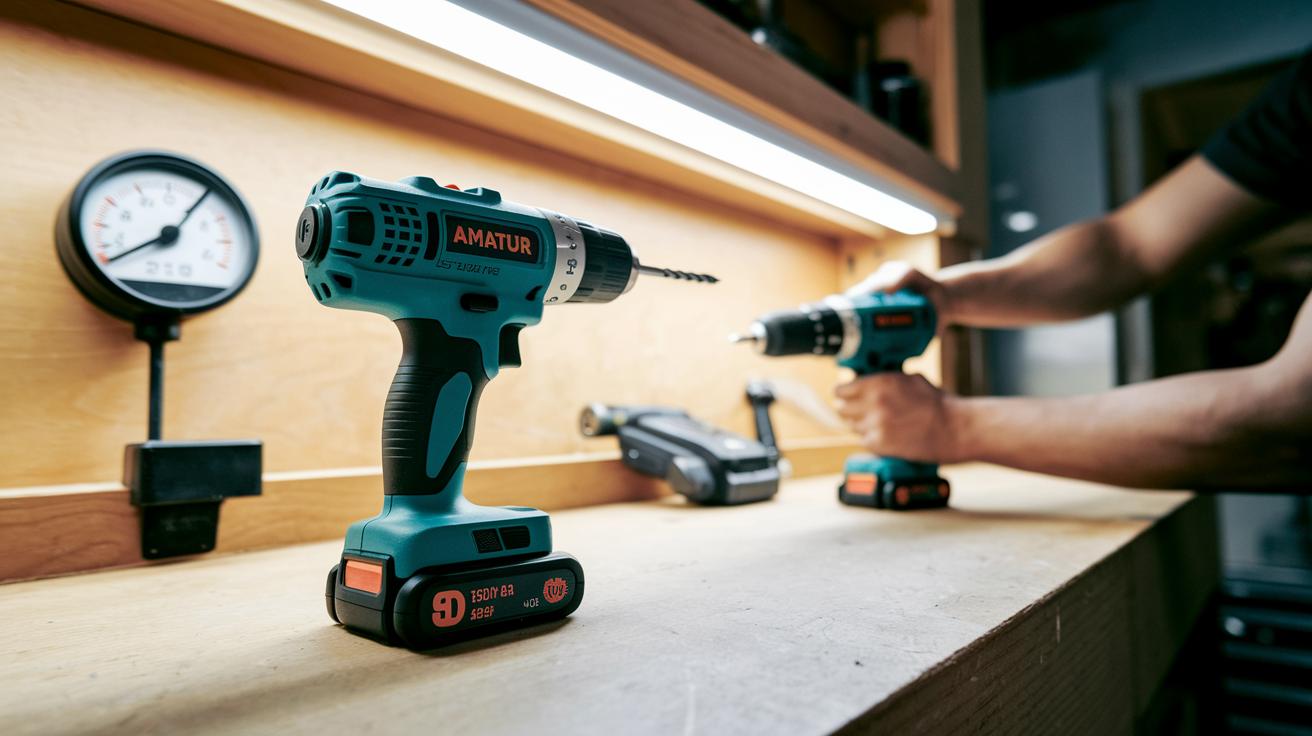
Battery capacity plays a big role in how long your tool can work. For example, a 2.0Ah battery can deliver 2 amps for 1 hour or 4 amps for 30 minutes. Before you start, think about how much time you will be actively working versus how often you'll need to stop and recharge. Using a battery that matches your project’s needs helps you work without interruptions. For continuous tasks like drilling through hardwood, a higher Ah battery may keep you going longer.
Knowing the tool’s power output is just as important. This value is shown in watts (W) or horsepower (HP). Torque, measured in newton-meters (Nm), tells you how well the tool can drive fasteners or cut through dense materials. When you balance runtime with power, you get a tool that fits your project without extra weight or cost.
Key points to remember:
| Factor | Description |
|---|---|
| Battery Capacity (Ah) | How long your tool will run |
| Power Output (W or HP) | The ability to handle heavy-duty tasks |
| Torque (Nm) | How well it drives fasteners and tackles tough materials |
For example, choosing a battery with moderate capacity and balanced power output can help you finish home remodeling tasks with ease. Taking a little time to check these details saves you from choosing a tool that is too weak or too heavy, making your DIY projects smoother and more productive.
Maintaining Batteries for Longevity and Safety
Ask a knowledgeable staff member or read your tool's manual to learn the best way to charge your cordless devices. Following these tips helps protect your battery and makes it last longer.
Fast chargers can save you time, but they may heat up the battery cells. Use a fast charger only when you really need it. If you're not in a hurry, stick with a standard charger. This way, you keep extra heat from stressing out the battery.
Store your batteries in a cool, dry spot where temperatures stay moderate. It helps to keep them partially charged when you're not using them. Some makers recommend storing batteries with about 30% to 50% charge.
- Look in your tool's manual for special battery care advice.
- Keep batteries out of direct sunlight and away from freezing temperatures.
- Check the battery temperature while charging to avoid overheating.
Taking care of your battery this way helps keep your tools safe and working well for your next project.
Matching Cordless Power Tools to Job Site Applications
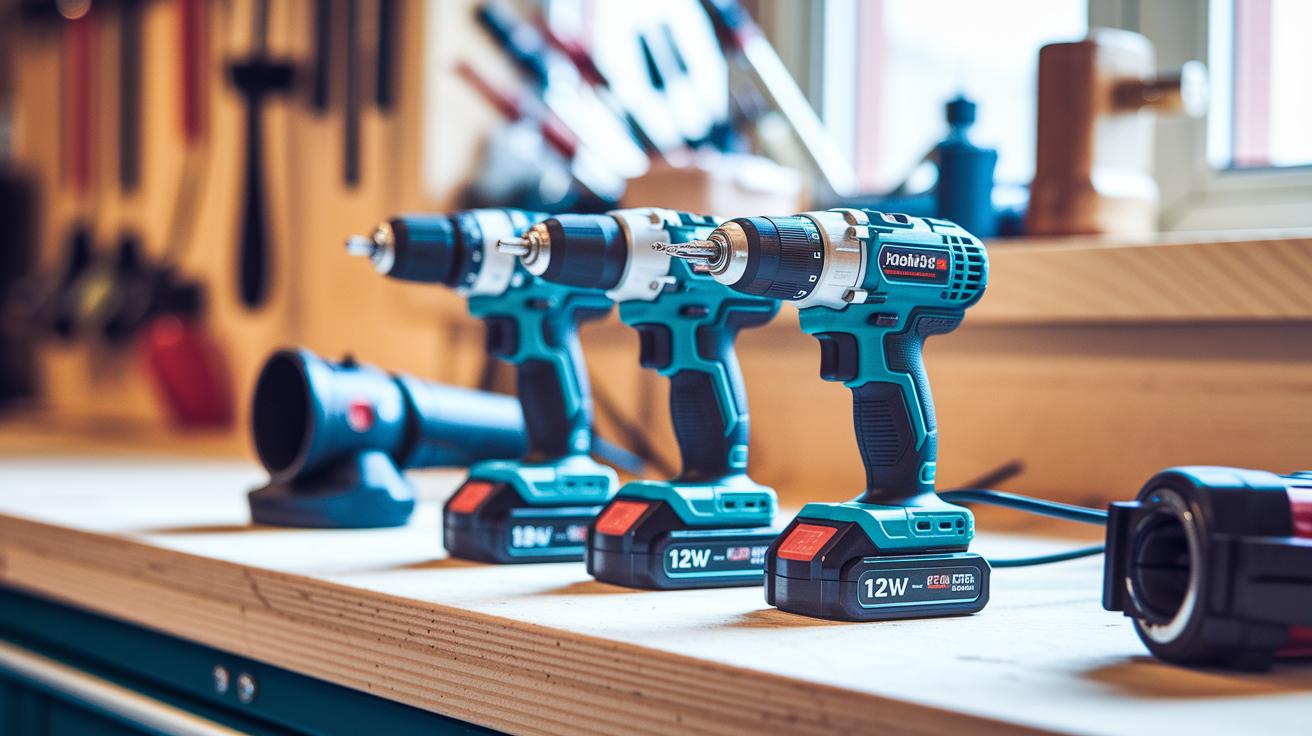
When you're on a job site, it’s important to match your cordless power tool to the task. Look at the tool's voltage, runtime, torque (turning power), and battery type. For framing or finish carpentry, an 18V tool gives you both power and ease of carry. For heavier work like metalwork, you may need a tool with higher torque, while a 12V tool can work fine for light DIY projects.
Make sure your accessories match too. Using the right blades, bits, and charger system means one set of tools can do more jobs. If two tools share the same voltage, you can swap batteries and chargers. This keeps your kit simple and can cut costs. For example, one battery might power both a drill and a saw, saving you time during busy projects.
Think about the tasks you do most often. Choose a tool kit that meets those needs. For ideas on tool sets for home projects, check out the best power tool kit for homeowners at alphapix.org?p=100. Matching your tools to your work helps you avoid carrying extra weight and spending more than you need. Choose smartly to boost your productivity and finish projects with confidence.
Considering Ergonomics and Portability in Cordless Tool Selection
Choosing a cordless tool is about more than just power. You need one that's comfortable and easy to use. Many high-voltage tools come with large battery packs that add extra weight. This extra weight can tire you out on long projects.
Brushless motors help reduce this weight. They let manufacturers design smaller, lighter tool bodies without sacrificing performance. A solid grip and balanced design make a big difference. They keep stress off your wrist and arm.
Test the tool in your hand. Hold it firmly and check if the weight feels well-distributed. If it seems off-balance, try another model. Lighter tools are easier to handle in tight spaces or when working overhead.
Even small details like a comfortable handle or balanced weight can boost your efficiency and safety. In the end, a tool that mixes power with portability helps lower fatigue and improves overall performance. Always make sure to check balance and ergonomics before buying.
Final Words
In the action, you now know that cordless tool selection balances voltage, battery capacity, and performance to fit real project needs.
We explained voltage ratings, battery chemistries, and ergonomics in a clear, hands-on way.
Matching runtime, torque, and portability helps you pick the right tool for each task.
Keep maintenance tips and accessory compatibility in mind as you build your toolkit.
Remember, when it comes to how to choose cordless power tools (voltage and batteries), practical tips lead to smart, safe project success.
FAQ
How do I choose cordless power tools based on voltage and battery options?
Choosing cordless power tools means matching your project needs with tool specs. Look at voltage ratings, battery capacity (Ah), and weight to pick a tool that delivers the power you require without undue strain.
How does a power tool battery compatibility chart help me?
A power tool battery compatibility chart shows which batteries work across different tools. It details voltage and cell counts, making it easier to mix and match batteries within a tool system.
What is the best voltage for cordless tools?
The best voltage depends on your tasks. Light work often suits 12V tools, while tougher projects benefit from 18V or 20V systems that offer higher power output with manageable weight.
What is meant by power tool battery standardization?
Battery standardization means many tools share common voltage and battery formats. This approach lets you use the same battery on multiple devices, reducing cost and simplifying tool management.
What do Consumer Reports say about battery power tools?
Consumer Reports reviews battery power tools by testing real-world performance, battery life, and reliability. Their evaluations help identify tools that meet exact project demands.
Is a higher voltage battery better for cordless tools?
A higher voltage battery typically offers increased power for heavy-duty tasks but can add extra weight. It’s best to balance performance with portability based on your specific applications.
Which is better, a 12 volt or 18 volt cordless drill?
A 12V drill is lighter and works well for simple tasks, while an 18V drill offers more power for demanding projects. Choose based on the balance between tool weight and performance required.
What is the 80/20 rule for lithium batteries?
The 80/20 rule for lithium batteries means you use roughly 80% of the battery’s capacity to help extend its overall life. Keeping some reserve avoids deep discharges that shorten battery cycles.
Is 18V or 21V better?
The choice between 18V and 21V depends on overall tool design rather than just voltage. Performance differences are typically minimal, so consider motor efficiency, battery life, and ergonomics when deciding.