Feeling frustrated when your remodel plans seem off track? Planning each step in the right order is essential to keep your project on schedule and avoid extra costs. A clear plan helps you spot potential issues before they become expensive problems. In this guide, we break the remodel process into smaller, manageable phases that build on one another. With the right order, every contractor will know what to do next, and your remodel will move forward smoothly.
Step-by-Step Remodel Project Steps Overview
A clear plan keeps your project on schedule and avoids extra costs. Start by setting goals and recording details in every room. This early work shows you problems like cracks, uneven floors, or water damage. With photos and notes, later steps run more smoothly and help keep costs in check.
Knowing your goals and the room conditions builds a strong start for your remodel. Break the project into clear, manageable phases. This way, each part builds on the last without overlapping work or causing delays that hurt your budget.
- Define renovation goals and scope
- Inspect existing conditions and document issues
- Build a budget with 10–20% contingency
- Break project into phases (design, demolition, rough-in, finishes)
- Select and contract licensed professionals
- Obtain permits and prepare site protection
- Begin work with weekly check-ins and progress logs
Following these steps sets a solid base for planning your timeline and resources. Working step by step covers every detail from the first check to the final review. This method keeps costs under control and ensures every contractor knows their role, making your remodel run smoothly.
Remodel Phase Breakdown and Task Sequencing

When you split your remodel into clear phases, it helps everyone work together smoothly. A clear plan makes it easier for the contractor, supplier, and all trades to know what comes next. This cuts down on waiting times and mix-ups. It also lets you track your progress and change plans when needed so that every step, from the design to the final check, happens in order.
| Phase | Key Tasks |
|---|---|
| Preparation | Goal setting, condition assessment |
| Design & Permits | Drawings, permit applications |
| Demolition & Structural | Demo, framing repairs |
| Systems & Rough-In | Plumbing, electrical, HVAC |
| Finishes | Drywall, paint, flooring, cabinetry |
| Inspections & Handover | Final inspections, punch list |
By mapping out each phase, you can set up material deliveries and schedule labor more easily. This step-by-step plan helps avoid delays and keeps the work moving smoothly from beginning to end.
Crafting Your Remodel Timeline Development
Break your remodel into clear phases by setting specific time blocks. First, plan for design, permits, demolition, systems work (like plumbing or electrical), and finishing touches. For example, allow 2–3 days for design and permits, 1–2 weeks for demolition and rough work, and similar periods for finishing work. This simple breakdown helps you see the overall schedule and plan for material deliveries and labor.
Add extra time as a safety net. Set aside about 5–10% of your total project time to cover delays such as permit reviews or material shortages. This buffer helps you stay on track and gives room to fix unexpected issues like hidden damage or additional inspections.
Use planning tools like Gantt charts, calendar overlays, or scheduling software to manage overlapping tasks and contractor availability. These tools let you map out each time block and adjust quickly if tasks take longer than planned. They also help you coordinate different trades and keep your remodel moving smoothly.
Optimizing Remodel Task Sequencing and Work Order Structuring
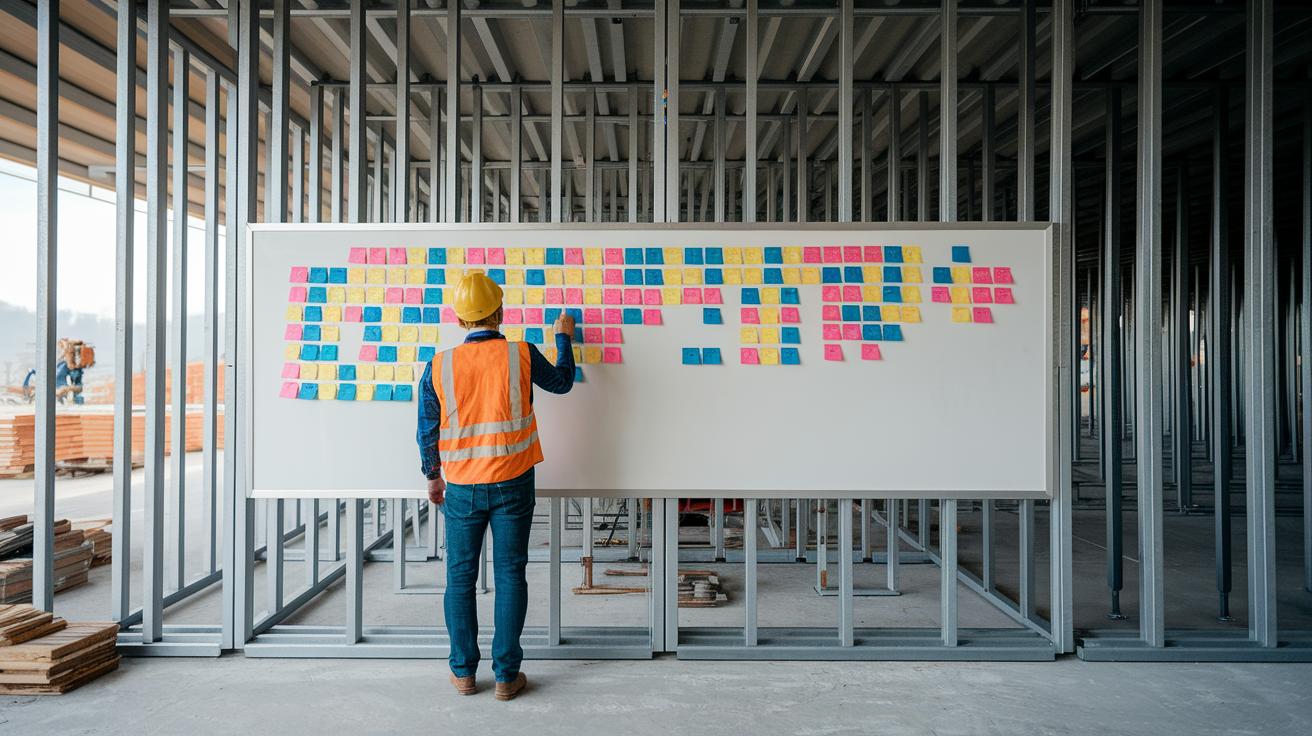
Plan your work so that there is little downtime and the site runs smoothly. Start by mapping out tasks by trade. This means grouping similar jobs, like all electrical rough-ins, so crews stay in one area instead of moving around. Make weekly updates to shift tasks when permit or supply delays occur.
Keep a weekly progress log to check your work order. This helps each contractor stay focused and makes sure tools and materials are ready when needed. A well-planned sequence saves time and keeps your remodel moving along.
- Group tasks by location (for instance, do all electrical rough-ins together)
- Schedule noisy or messy tasks during quieter times
- Arrange inspections right after related work is done
- Set aside buffer times for any permit or supply delays
- Use progress logs to dynamically adjust upcoming tasks
Keep refining your task order as you go. This continuous planning cuts down on downtime and helps everyone stay on schedule.
Resource Allocation and Budget Scheduling for a Remodel
Begin by checking local prices for materials and labor. Use online cost comparison sites to get current figures. This step helps you budget for things like lumber, fixtures, and skilled work (such as electrical, plumbing, or HVAC). For example, comparing sources might show that hardwood flooring costs about $4 per square foot (roughly $0.03 per square centimeter) or more.
Break your total budget into clear phases. Each phase should cover costs for materials, labor, permits, and inspections. Set aside 10–20% of your budget as a backup for unexpected expenses. This extra cushion helps you manage cash flow and prevents surprises if extra work or design changes come up. You can use a DIY project budget template for a detailed cost breakdown.
Plan for risks by keeping back part of your funds for change orders and matching cash flow with milestone payments. This step helps protect your schedule if permits take longer or supplies run short. Check your timeline and expenses regularly to adjust your plan as needed. With each phase properly funded, your remodel stays on track.
Remodel Planning Framework: Tools, Checklists, and Management Strategies

Your remodel project begins when you step into the role of project manager. Use both digital tools and paper-based guides to keep your work organized. Organized software, clear checklists, and careful record keeping help you stay on schedule and within budget. Hold weekly contractor meetings and update your logs often to manage contracts, permits, receipts, and daily progress. This way, every task follows the order you set.
Planning and Scheduling Software Tools
Software like Trello, Asana, and Microsoft Project give you visual charts (Gantt charts) and shared calendars. You can see all tasks at a glance. These tools refresh in real time, so you know each task’s due date and can change priorities quickly. A clear timeline makes sure overlapping tasks are handled properly and every contractor knows what is expected.
Printable Checklists and Templates
Printed checklists make it easy to track each step. Create simple charts for choosing materials and use punch-list trackers to check off every small item. These templates are useful during site visits and meetings. They give you a solid record of what has been finished and what still needs work.
Communication and Record-Keeping Logs
Keep a daily log to note progress, take photos of every update, and record any changes with a change-order register. These records help you review work, spot issues promptly, and fix mistakes quickly. Regular updates keep you informed and let you change your plan as needed.
Using both digital tools and paper checklists with frequent communication makes it easier to follow the plan and complete your remodel on time.
Final Words
In the action, we detailed a clear process starting from goal setting and budget building to dividing work into strategic phases. We walked through inspecting conditions, scheduling phases, and sequencing tasks so you keep on track throughout your project.
This guide shows you how to plan project steps (sequence of work) for a remodel that minimizes delays and budget surprises while building confidence. With clear directions and practical tips, you can tackle your remodel confidently and finish on schedule.
FAQ
How can I obtain a printable home renovation checklist?
A printable checklist organizes your project by outlining phases such as planning, permits, budgeting, and scheduling. It acts as a guide to track progress room by room and keeps your remodel organized.
How do I start a house renovation project?
Starting a renovation means setting clear goals, assessing current conditions, and planning each phase. Begin with a detailed checklist, establish your budget, and then work with professionals to schedule tasks efficiently.
What is the order of operations for a remodel?
The remodel process typically starts with planning and design, followed by permits, demolition, structural updates, system installations, finishes, and final inspections. This sequence helps keep the work on schedule and budget in check.
What is the 30% rule for renovations?
The 30% rule suggests allocating roughly 30% of your total budget for labor and materials. This guideline improves cost planning and helps prevent overspending during your project.
What are the five steps in planning a renovation project?
The five planning steps are setting the project scope, inspecting existing conditions, creating a detailed budget, scheduling tasks, and organizing professional support. These steps build the framework for a smooth renovation.