Have you ever thought woodworking was only for experts? In this beginner class, you'll find that just a few hours a week is all it takes to learn the basics. You'll start by setting up a simple workspace, learn how to use a tape measure, and discover how to work with different types of wood. The class mixes short demos with plenty of practice so you can build your skills gradually. Each small project will boost your confidence and prepare you for more challenging work. Roll up your sleeves and begin your exciting woodworking adventure today.
What a Beginner Woodworking Class Will Cover
A beginner woodworking class runs for 4 to 8 weeks with weekly 2-hour sessions. This hands-on, instructor-led course mixes short demonstrations with plenty of practice. Many experts started with simple projects that took just a few hours a week, and those small steps built a base for advanced skills.
During the class, you learn how to set up a basic workspace, even if you don't have a shop. You practice reading a tape measure, learn the differences between softwoods (like pine) and hardwoods, and discover how to choose boards that are straight instead of warped. Instructors will show you key hand tools and explain safe, simple techniques for finishing and sanding.
Main topics include:
- Workspace setup
- Tape measure reading
- Lumber selection and quality
- Tool introduction and safety
- Finishing and sanding preparation
By the end of the course, you will feel more confident in your woodworking skills. You'll learn to mark cut lines accurately and make safe cuts with a hand saw. This strong foundation will help you tackle simple joints and projects, paving the way for more advanced work. With regular practice, your precision and finish quality will improve, making your woodworking journey exciting and full of promise.
Beginner Woodworking Class Curriculum Breakdown

This course is designed to build your woodworking skills one step at a time. We split the class into four clear modules that each teaches a core skill.
- Shop orientation and tool ID
- Measurement and layout practice
- Joinery fundamentals (butt and lap joints)
- Design basics and plan reading
In the first module, you'll learn about the workshop and which tools to use for different jobs. The measurement and layout practice shows you how to mark wood accurately with tape measures and squares. The joinery fundamentals module teaches you to make secure, neat joints, like butt and lap joints, that keep your projects safe. Finally, the design basics module lets you practice drafting simple plans and reading sketches so you can turn your ideas into real designs.
With each module, you'll grow more confident and skilled, moving from basic exercises to finishing full projects.
Tools and Equipment in a Beginner Woodworking Class
In this class, you'll get hands-on with basic hand tools like chisels (for carving and trimming wood), coping saws (for cutting curves), hammers, tape measures (to measure accurately), and combination squares. These tools teach you how to mark, cut, and measure with precision.
When you use a chisel, notice how it shapes the wood. A tape measure keeps your cuts exact. And a coping saw, with its flexible blade, makes it easy to follow curves. Your instructor explains how each tool fits into different projects and even recommends extra resources like "essential woodworking tools for beginners."
The class also covers power tools. You'll use a cordless drill for driving screws, a random orbital sander to smooth surfaces, and sometimes a miter saw for perfect crosscuts. Your teacher will show you simple tips like sharpening chisel blades, cleaning drill bits, and storing tools in a dry place to prevent rust. This training helps you take care of your tools and work safely on your projects.
beginner woodworking class what to expect: Exciting Start
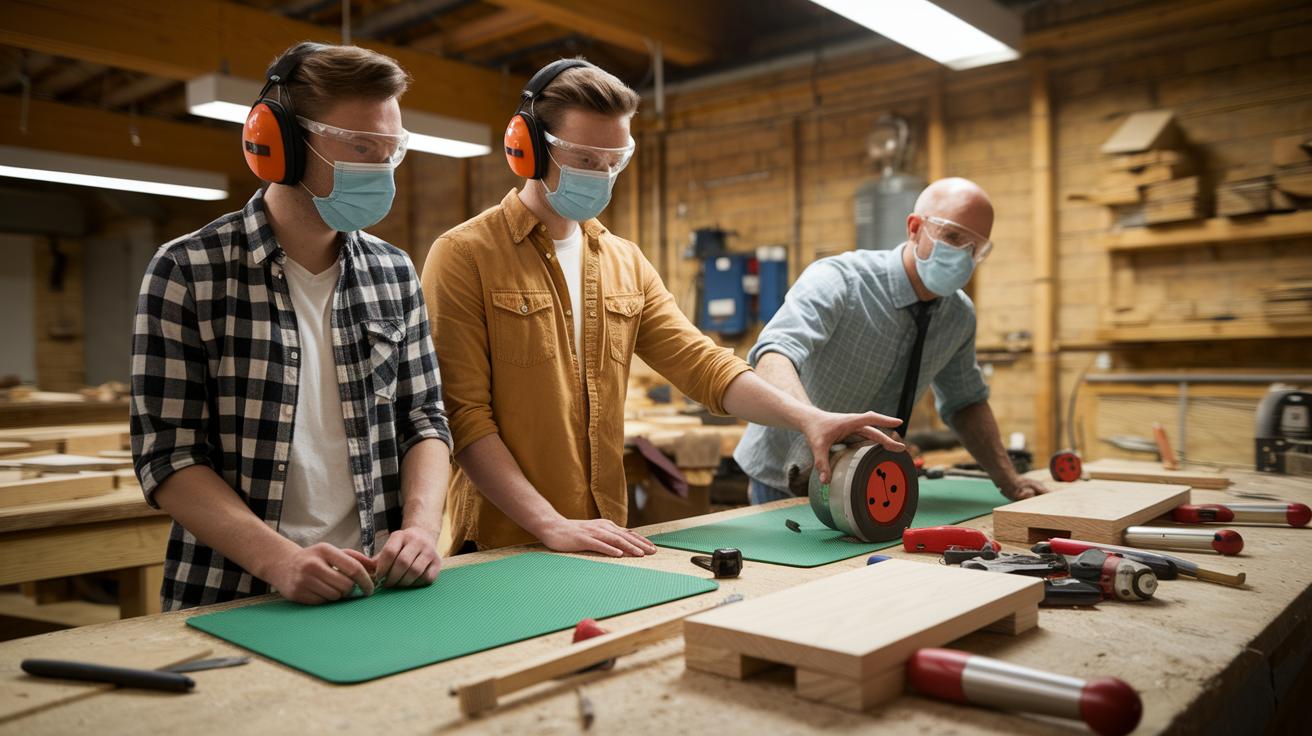
Safety is our number one priority in every woodworking class. We make sure you wear safety glasses, hearing protection, and either a dust mask or respirator to shield your eyes, ears, and lungs. Tools must have their guards in place and work areas should be free of debris before you start cutting or drilling. Always check that your workbench is clear and that all your safety gear is being used. One of the instructors always reminds us, "Always suit up to avoid accidents."
Before each class, we perform a quick risk assessment. Instructors show you how to handle blades safely and how to use the emergency stop on power tools. They walk you through a safety checklist and help you scan the area for any hazards. This hands-on safety review builds your confidence and sets a secure, friendly tone for the whole session.
Hands-On Tool Practice in a Beginner Woodworking Class
Each session begins with a clear demonstration. The instructor shows you how to measure, cut, and sand. You watch the tools work and learn the right techniques before you try them yourself. This live demo explains every detail, from holding a measuring tape correctly to keeping a cut straight, so you feel ready to work at your own practice station.
Instructor Demonstrations
Your instructor leads the demo with simple, step-by-step directions. They show you how to measure accurately, use power and hand tools safely, and sand correctly. For example, you might hear, "Watch how the blade follows the marked line to keep the cut straight." This live display helps you see the proper way to do each task, making it easier when it's your turn.
Station Drills
After the demonstration, you go to your workstation to practice what you saw. You work on exercises like making a straight line cut, chiseling a mortise (a notch for joining pieces), and sanding sample blocks. Repeat these drills until you feel steady with the tool in your hand.
Peer Feedback Sessions
Next, you join group reviews to share your work. Here, you receive friendly, constructive comments from both classmates and your instructor. This team feedback helps you improve your technique and build confidence. Regular practice and open advice move you closer to becoming a skilled woodworker.
Sample Projects and Skill Progression in a Beginner Woodworking Class
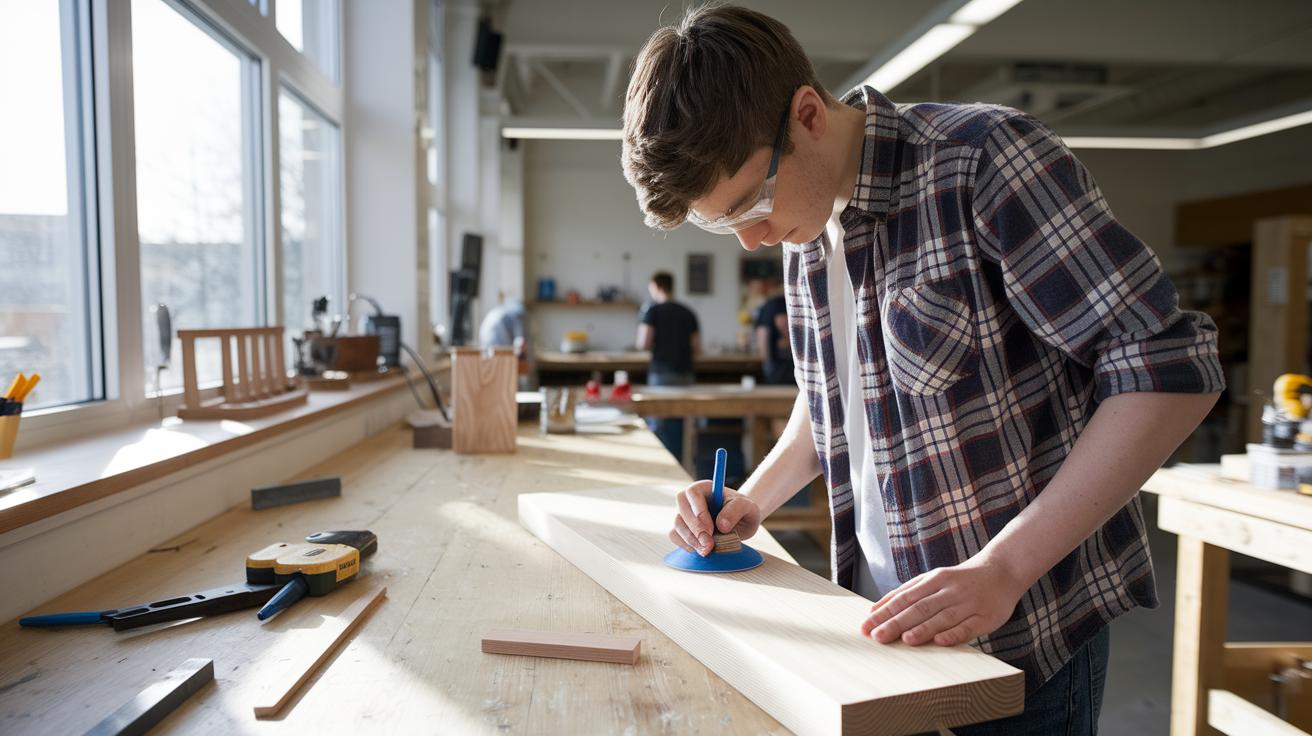
This class offers many hands-on projects that help you learn basic woodworking skills. You start with simple ideas that also teach you how to build. For example, you might make a wall shelf with butt joints or a birdhouse with square joints. Every project guides you through measuring, cutting, and finishing steps.
Each project lets you try out new skills such as sanding, staining, and lamination. You learn to use the right tools and materials while working with different techniques.
| Project | Technique Covered | Material |
|---|---|---|
| Shelf | Butt Joints and Basic Sanding | Wood Boards |
| Birdhouse | Square Joints | 1/2 in (1.3 cm) Plywood Panels |
| Picture Frame | Simple Cutting and Assembly | Wood Trim |
| Cutting Board | Lamination and Finishing | Butcher Block Wood |
| Stool | Assembly and Stability Testing | Softwood Lumber |
Each project builds your skills and boosts your confidence. As you learn more, you can mix techniques from different projects to get creative. The wall shelf and picture frame help you work on precise joints and smooth finishes. The birdhouse shows you how to build sturdy pieces. The cutting board teaches careful lamination and sealing. And the stool project focuses on balance and strength. With every build, you learn to measure twice and cut once, getting ready for more advanced projects later on.
Enrollment and Workshop Logistics for a Beginner Woodworking Class
Classes meet one time each week for 2 to 3 hours over 6 to 8 weeks. You will join a small class of 6 to 8 students per instructor so you get personal help while enjoying a shared workshop feel. This schedule lets you learn new skills slowly, giving you plenty of time to practice each step before you try a tougher project.
Materials fees pay for the wood, hardware, and basic safety gear you need for each project. Many community shops also let you rent tools or buy supplies on site. This way, you have the right tools even if you are just starting out. When you sign up, you may need to leave a deposit or show proof of age. This simple process helps the organizers know how many supplies to get and keeps the class size safe and easy to manage.
Final Words
In the action, this guide broke down a beginner woodworking class into clear steps. It covered class duration, workspace setup, tool use, focused safety rules, and hands-on exercises. We went over sample projects and the enrollment process.
Key points included:
• Class structure
• Essential tools
• Safety guidelines
• Practical exercises
• Project examples
By following these steps, you’ll know exactly what a beginner woodworking class what to expect. Keep moving forward with confidence.
FAQ
What should I expect in a beginner woodworking class?
A beginner woodworking class typically runs 4 to 8 weeks with 2-hour sessions. It covers workspace setup, safety procedures, measuring, cutting, and finishing basics with hands-on projects and instructor feedback.
Where can I find beginner woodworking classes near me?
Local community shops, makerspaces, and community colleges often offer beginner woodworking classes. These classes feature small groups, guided instruction, and a focus on practical skills using essential hand and power tools.
What does Woodworking for Mere Mortals offer?
Woodworking for Mere Mortals provides accessible video tutorials and project guides that break down woodworking techniques into clear, manageable steps. It makes learning the basics enjoyable and easy to follow.
What is included in woodworking for beginners PDF guides?
Woodworking for beginners PDF guides include project plans, tool lists, and step-by-step instructions that explain basic measuring, cutting, and finishing techniques. They serve as practical references for home projects.
What does woodworking for beginners on YouTube provide?
Woodworking for beginners on YouTube offers video tutorials that clearly demonstrate essential techniques, tool handling, and project assembly. The visual approach helps you quickly grasp and apply new skills.
How can I start woodworking at home?
Starting woodworking at home means setting up a small workspace, gathering basic tools like saws and drills, and beginning with simple projects. Focus on safety, proper measurements, and basic techniques to build confidence.
What do woodworking for beginners books teach?
Woodworking for beginners books offer detailed project plans and clear instructions on tool use, measuring, cutting, and finishing. They provide a structured way to learn at your own pace and build essential skills.
What beginner woodworking projects can I try?
Beginner woodworking projects include making a wall shelf, birdhouse, picture frame, cutting board, and simple stool. These projects introduce basic skills such as measuring, cutting, joinery, and finishing techniques.
What do you learn in a woodworking class?
In a woodworking class, you learn to set up a safe workspace, measure accurately, select quality materials, use hand and power tools properly, and apply basic joinery and finishing techniques while following strict safety guidelines.
What does the 5’7″ rule in woodworking refer to?
The 5’7″ rule is an ergonomic guideline for workbench height. It helps ensure that you maintain better posture and comfort while working on projects, reducing strain during extended work periods.
How do I start woodworking with no experience?
To start woodworking with no experience, consider enrolling in a beginner class or following online tutorials. Begin with simple projects, practice basic tool handling, and always prioritize safety while learning step-by-step.
What are common woodworking mistakes to avoid?
Common woodworking mistakes include inaccurate measurements, using warped wood, neglecting proper tool maintenance, overlooking safety gear, and rushing through projects. Taking time to plan and check details can help prevent these errors.