Choosing the right decking material can be a challenge. Do you want the natural charm of wood, the easy-care look of composite, or the water-resistant strength of PVC? Each option has benefits and drawbacks. For example, wood may need regular upkeep, while composites and PVC can offer long-term warranties.
In this guide, we compare the cost, durability, and maintenance of these materials. Our goal is to help you pick the best option for your budget and style. Get ready to find the perfect fit for your next DIY deck project.
best decking materials comparison: Stellar Picks
Wood decking is the most budget-friendly choice. It offers a classic, natural look. Still, you need to seal or stain it every 2 years (about every 24 months) to protect against rot, warping, and pests. This is a great option if you don’t mind regular upkeep.
Composite decking mixes wood fibers with plastics such as polyethylene or PVC. It gives a clean look and needs little maintenance. Composite costs 50–300% more than pressure-treated wood, but many brands come with a 25-year warranty covering fading, stains, and structural issues. Many composite boards even use up to 95% recycled materials, making them an eco-friendly choice.
PVC decking is the most expensive option. It works well in places with lots of moisture because it never absorbs water. It also stands up to UV fading and everyday wear, with warranties similar to composite decking. This makes PVC perfect for areas like poolsides or humid climates.
When planning your DIY deck project, check out our guide on how to build a DIY deck to help you choose the right materials.
Natural Wood Decking Comparison
Pressure-Treated Softwood Decking
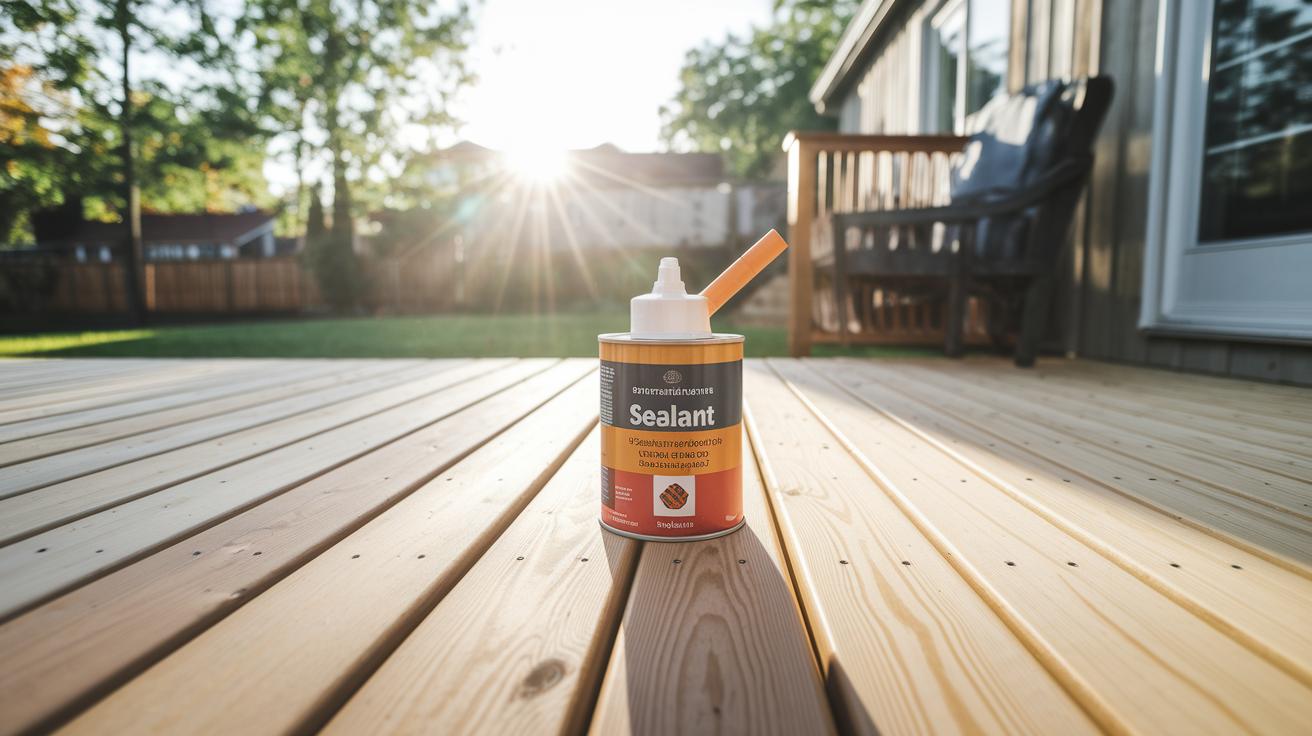
Pressure-treated softwood is the most affordable option and works well if you plan to update your deck every so often. It needs a fresh coat of sealant or stain every 2 years to prevent rot and splinters. These boards usually last about 10–15 years when properly maintained and can be installed using standard galvanized fasteners to reduce corrosion. Many homeowners say that after a fresh sealer, their deck feels inviting and good for another season outdoors.
Cedar Decking
Cedar decking costs a bit more and offers a naturally beautiful, warm grain with insect resistance. You’ll need to apply a sealant every 2–3 years to keep its rich color and natural oils intact. Cedar also handles moisture better than many softwoods because of its natural decay resistance. Its balanced price and appealing look can turn a simple patio into a cozy outdoor retreat.
Exotic Hardwood Decking
Exotic hardwood decking is a premium option with higher upfront costs, but it offers exceptional hardness and stability. It resists moisture well and holds up with less maintenance over time, making it ideal for a long-lasting deck. Because of its unique design and special fastener needs, many opt to have a professional install it. Homeowners often mention that the blend of beauty and strength in their exotic hardwood deck makes the extra cost worthwhile.
Composite Decking Evaluation
Composite Decking Composition and Performance
Composite decking boards blend wood fibers with plastic (polyethylene or PVC) to create a material that stands up to moisture and harsh weather. They include UV protectants that help keep the color bright and prevent staining even after long sun exposure. Many boards also have a textured, slip-resistant surface for extra safety when they’re wet. Although composites can cost 50% to 300% more than pressure-treated wood, they require much less staining and sealing. This lower maintenance makes them a smart long-term choice for your outdoor deck.
Leading Composite Decking Brands Overview
Several brands offer top-notch composite decking that combines durability with eco-friendly features. For instance, Trex, around since 1996, uses 95% recycled material in its boards and offers a range of finishes that look like natural wood without the upkeep. TimberTech, established in 1997, incorporates up to 80% recycled content and even provides free samples so you can easily match colors with your design. Fiberon focuses on sustainability by reclaiming nearly 99% of its waste, which helps its boards hold color over time. MoistureShield, made in the USA with 95% recycled content, backs its product with a transferable 50-year warranty on the structure. Each of these brands typically offers about a 25-year warranty against fading and staining, giving you extra peace of mind when planning your deck.
PVC and Vinyl Decking Benefits Assessment
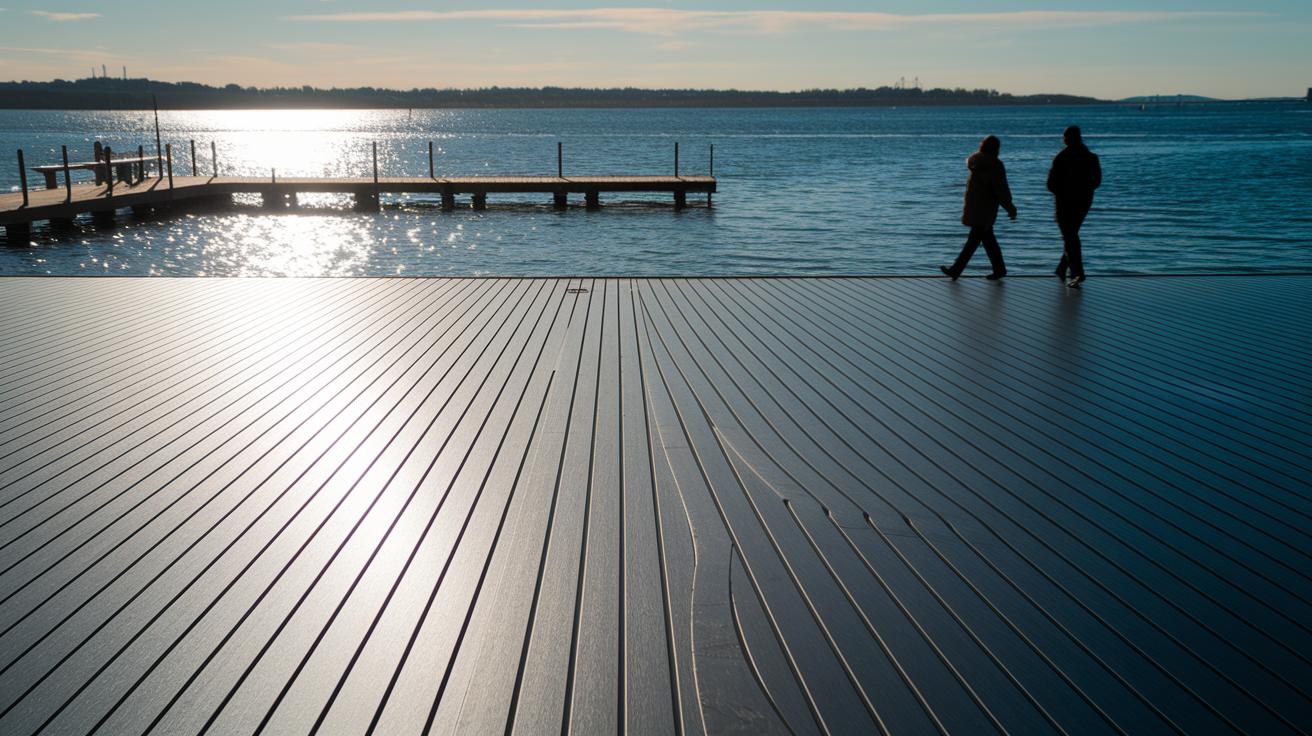
PVC decking is built without wood fibers. This design means the boards do not soak up water. They dry quickly, which makes them an excellent choice for decks near water or in damp areas.
The boards also perform well in UV tests. They keep their color even after long hours in the sun. In addition, manufacturers offer a 25-year warranty. This shows they are confident in the decking's long-lasting strength.
The smooth, nonporous surface helps prevent mold and mildew. Plus, the slip‐resistant design adds safety for busy areas and families.
Consider these clear benefits:
- No wood fibers for fast drying
- Strong UV resistance to keep color and strength intact
- A 25-year warranty to protect your investment
- Slip‐resistant surfaces for added safety
Start with this interesting fact: PVC decking was designed to create a low-maintenance, safe outdoor space that holds up well in harsh weather conditions.
Cost Breakdown Guide for Decking Materials
| Material | Initial Cost per Sq Ft | 10-Year Maintenance Cost |
|---|---|---|
| Pressure-Treated Wood | $5–$15 | $10–$30 |
| Cedar | $10–$20 | $10–$30 |
| Exotic Hardwood | $20–$40+ | $10–$30 |
| Composite | $15–$50 | $0 |
| PVC | $25–$60 | $0 |
This guide compares the costs of different decking materials so you know what to expect. Pressure-treated wood is the most budget-friendly upfront. Keep in mind, you also need to spend about $1–$3 per square foot each year on sealing or staining. Over 10 years, that can add up to around $10–$30 per square foot.
Cedar and exotic hardwood offer a natural look and strong durability but require similar upkeep as pressure-treated wood. They might be a better choice if you like the stain and feel of natural wood.
Composite decking has a mid-range price. Although it costs more at first, it needs almost no maintenance. That makes it a smart investment if you want to save time and money later on. PVC decking is the most expensive initially, but its lack of maintenance needs makes budgeting easier down the road.
Your choice will depend on your budget and how much time you want to spend on upkeep. If you’re okay with a lower starting cost and regular maintenance, wood options like pressure-treated, cedar, or exotic hardwood work well. For minimal long-term work, composite and PVC are the best bets.
Recent trends show that composite decking is becoming more affordable as recycled-content manufacturing grows. Check out our guide on how to estimate DIY project costs (materials + tool rentals) for more tips on balancing upfront and maintenance expenses when planning your deck.
Repair and Upkeep Reviews for High-Traffic Zones

Busy deck areas can wear out faster than quieter spots. One review mentioned, "I noticed my pressure-treated deck's fasteners loosening in the entryway, so I now inspect it every 6 months." Check these high-traffic areas every 6 to 12 months for loose boards or splintering. For more detailed maintenance tips, see the sections on pressure-treated, cedar, exotic hardwood, composite, and PVC decking.
Sustainable and Eco-Friendly Decking Material Selection
Composite decking is made by reusing wood fibers and plastic waste. This approach means we cut down fewer trees and protect natural forests. Look for recycled content labels on composite boards to know you made a green choice.
Wood decking comes from renewable sources, but rapid harvesting can stress our forests. If you choose wood for your project, check for FSC (Forest Stewardship Council) certification. This mark shows the wood is from a responsibly managed forest.
PVC decking eliminates the need for new lumber, though it uses virgin plastics. It stands up well to wear and moisture, but its production can have a bigger environmental impact compared to some other options.
For an eco-friendly deck build, keep these tips in mind:
- Check that composite decking materials list recycled content.
- Choose wood with FSC certification to support sustainable practices.
- Balance the durability benefits of PVC with its environmental footprint.
Each material offers its own mix of performance and eco-friendly features, helping you pick options that match green building standards.
Final Words
In the action, this guide broke down wood, composite, and PVC for your deck build. It compared costs, upkeep, durability, and eco-friendly features so you can plan confidently. The review detailed everything from pressure-treated pricing to exotic hardwood performance, making it easier to pick the right option. With clear cost estimates and maintenance tips, you now have the best decking materials comparison to guide your project toward a safe and rewarding outcome. Enjoy building your deck and making your outdoor space shine!
FAQ
What is the best decking materials comparison chart?
The best decking materials comparison chart outlines cost, maintenance, and durability differences among wood, composite, and PVC decking, providing a clear side-by-side overview similar to Consumer Reports.
What is the best decking material for wet climates?
The decking material best for wet climates is PVC or composite decking, as they resist moisture absorption and require minimal upkeep, making them ideal for high-humidity areas.
What is the best composite decking for 2025?
The best composite decking options for 2025 include brands like Trex, TimberTech, Fiberon, and MoistureShield, which offer long warranties, color retention, and low maintenance.
What is the best decking material for New England?
The best decking material for New England features strong resistance to weather extremes; composite and PVC decking excel with their durability and minimal maintenance in moisture-prone climates.
What is PVC decking material?
PVC decking material is made solely of plastic with no wood fibers, ensuring it never absorbs moisture, resists fading and wear, and offers durability with virtually no upkeep.
What is the best quality decking material?
The best quality decking material depends on your needs; engineered composites and PVC provide excellent durability and low maintenance, while wood offers a natural look at a lower upfront cost.
Is Trex or TimberTech better?
Trex and TimberTech both deliver strong warranties and recycled content; Trex emphasizes up to 95% recycled materials, while TimberTech provides a competitive range and durable performance.
How much should a 20×20 deck cost?
A 20×20 deck cost varies with material and labor; estimates generally range between $25,000 and $50,000, so plan carefully and check local material prices before starting a project.
Which is better, Trex or Wolf decking?
Trex and Wolf decking each offer solid performance; Trex is recognized for high recycled content and durability, while Wolf decking provides comparable strength along with unique design options.