Have you ever thought that a few extra steps could turn your backyard into a charming retreat? Deck steps not only connect your deck to your yard but also enhance your home's look while keeping safety in check. In this guide, we share material choices, design tips, and explain why local codes matter. We'll walk you through planning, measuring, and building steps that work well and look great. Ready to boost your home's charm with safe and attractive transitions? Let's dive in.
Deck Steps Overview: Key Options, Safety, and Compliance
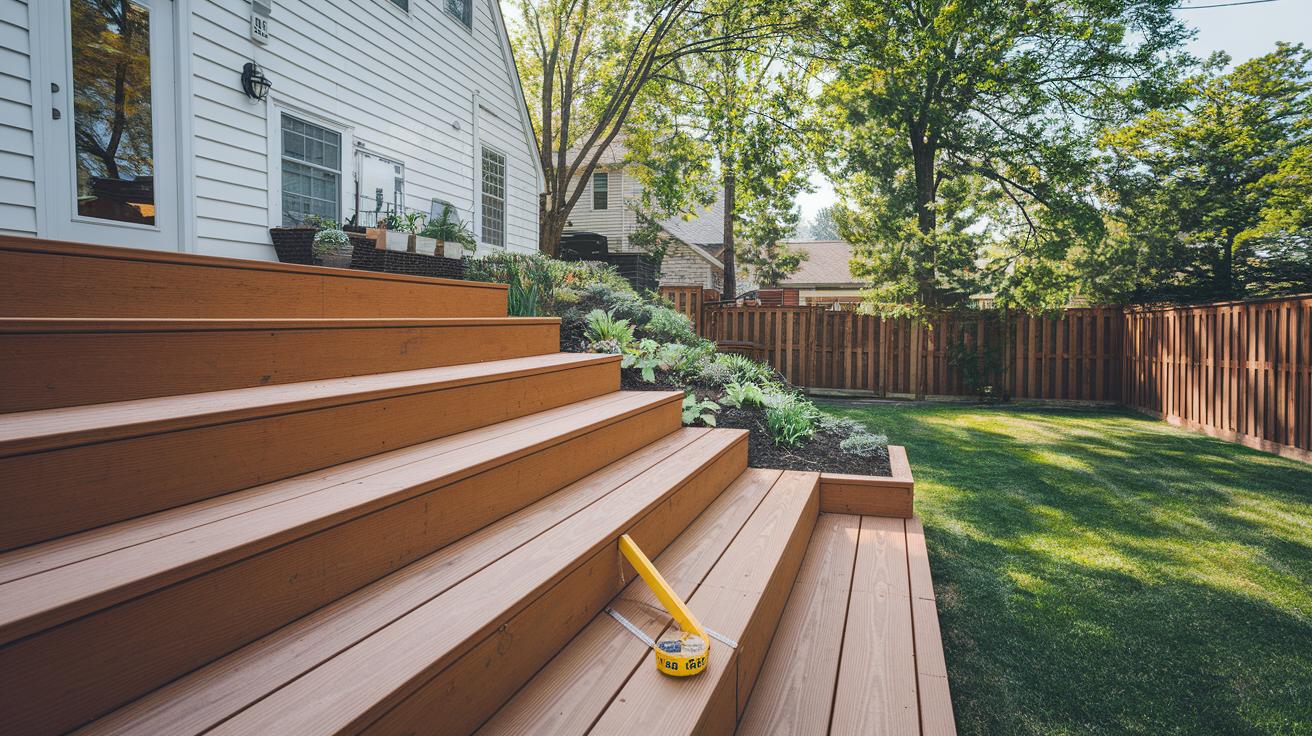
Deck steps create a smooth transition from your deck to your yard. They combine style with strength and handle heavy foot traffic. Always check local building codes. For example, decks with four risers or steps more than 30 in (76 cm) above ground need handrails. Stringers (the support boards under your stairs) must be measured precisely and supported according to span ratings. Choosing the right material, whether composite or wood, helps your steps last longer and perform well.
Modern ideas offer many options. You can build your own wooden steps or choose innovative composite designs with extra wide treads and non-slip surfaces. Clean lines and safe details make a big difference. Make sure to measure tread sizes and design landings carefully for both safety and code compliance. Accurate riser heights and tread depths not only keep you safe but also enhance the look of your outdoor space. A DIY project planning checklist can help you cover every detail.
Plan each step carefully. Measure the total rise and calculate individual riser heights so none exceed the maximum allowed height. This careful planning prevents misalignments that could lower safety. Every part, from stringer placement to installing firm handrails, must meet code requirements. This way, your deck steps stay both reliable and attractive for your outdoor living area.
Planning and Measuring Deck Steps for Safe Installation
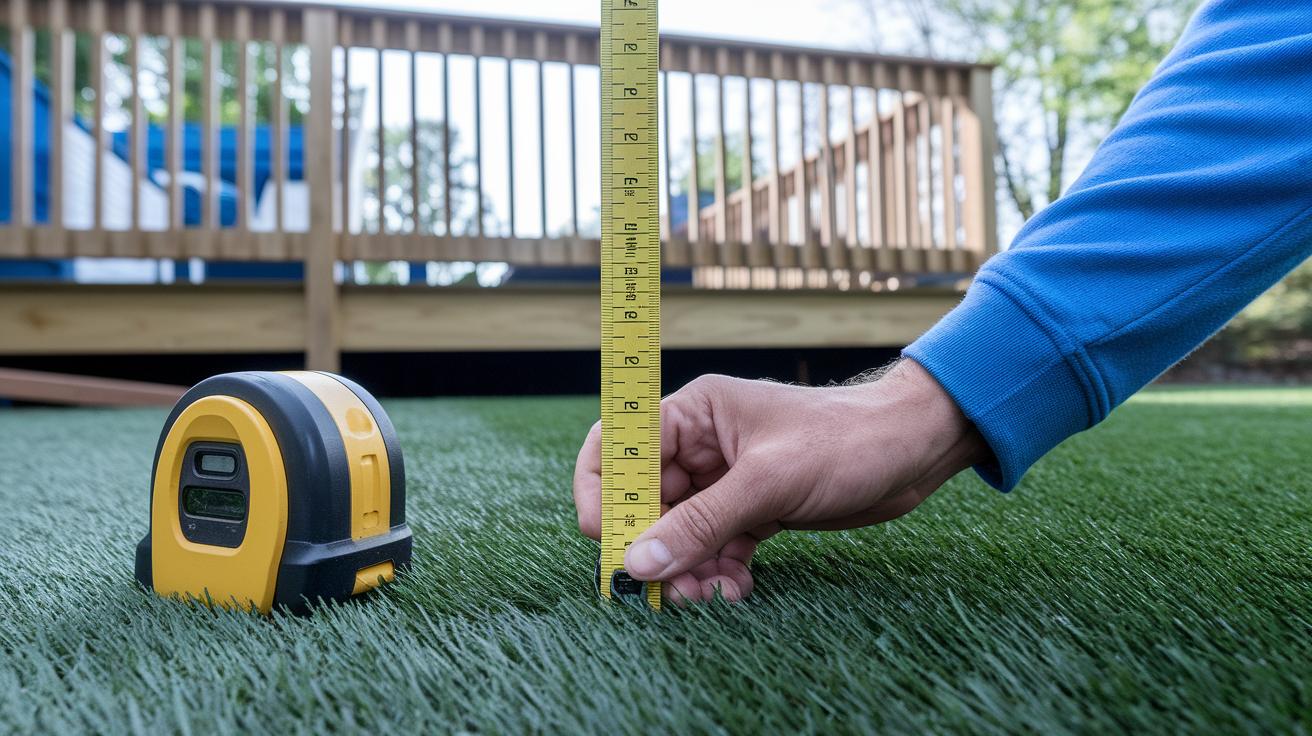
Start by measuring the vertical distance from your yard to the deck. Divide this rise by the maximum allowable step height of 7.75 in (20 cm) to set a comfortable step height between 4 in (10 cm) and 7.75 in (20 cm). Remember, the number of treads will be one less than the number of risers. Each tread should be at least 11 in (28 cm) deep if you use two standard composite boards. You can make the tread more gradual by extending it up to about 16.5 in (42 cm). Use a tape measure and speed square to mark these dimensions accurately.
Plan your landing with the same care. A landing must measure at least 36 x 36 in (91 x 91 cm) and stay completely level to meet code standards. It helps to double-check all your measurements with an online stair calculator or your trusted tools. This careful planning makes sure your deck steps are safe, code-compliant, and visually pleasing.
| Component | Recommended Dimension | Notes |
|---|---|---|
| Riser Height | 4 to 7.75 in (10-20 cm) | Max per code and comfort |
| Tread Depth | 11 to 16.5 in (28-42 cm) | Based on design preference |
| Landing Size | 36 x 36 in (91 x 91 cm) | Minimum area required |
Pay close attention to your measurements and layout. This careful approach ensures a safe, code-approved deck step installation that enhances both the charm and functionality of your home.
Deck Steps Materials and Prefab Kits Comparison
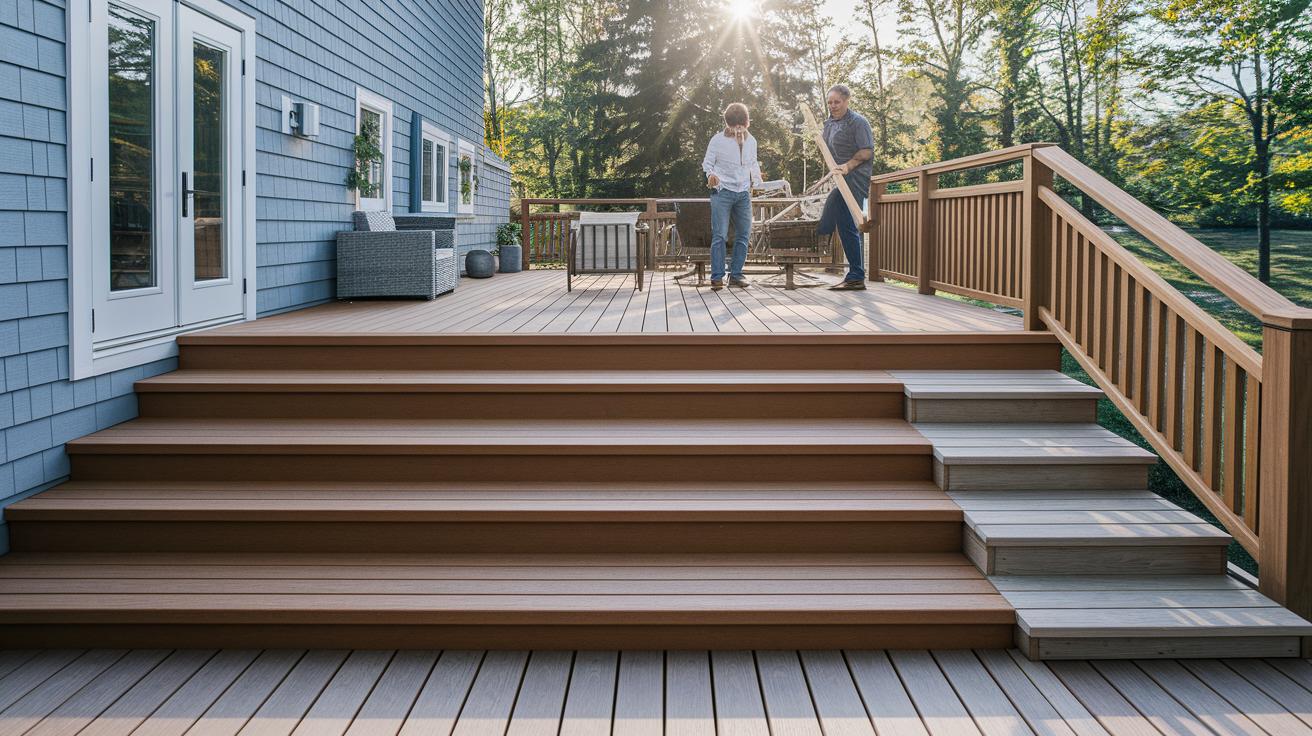
Composite decking options like TimberTech offer a great mix of strength and low maintenance. They have span ratings starting at 9 in (23 cm), which makes them a wise choice for wide deck treads. If you like a classic look, pressure-treated wood and cedar are trusted choices for DIY deck steps. You can treat these woods with a rustic finish that keeps their natural appeal while standing up to the outdoors. Eco-friendly options like recycled plastic and FSC-certified materials are also popular because they perform well without harming the environment.
Prefab deck step kits make building your deck steps much easier. They run between $300 and $800. Each kit comes with pre-cut stringers, treads, and hardware so both new DIYers and experienced builders can get a secure, weatherproof stair system. Depending on your design goals, you can choose a look that mixes modern composite style with a traditional, rustic finish.
| Option |
|---|
| Composite decking (e.g., TimberTech) |
| Pressure-treated wood |
| Cedar decking |
| Recycled plastic decking |
| FSC-certified decking materials |
| Prefab deck step kits |
| Custom rustic deck step kits |
Deck Steps: Elevate your home's charm
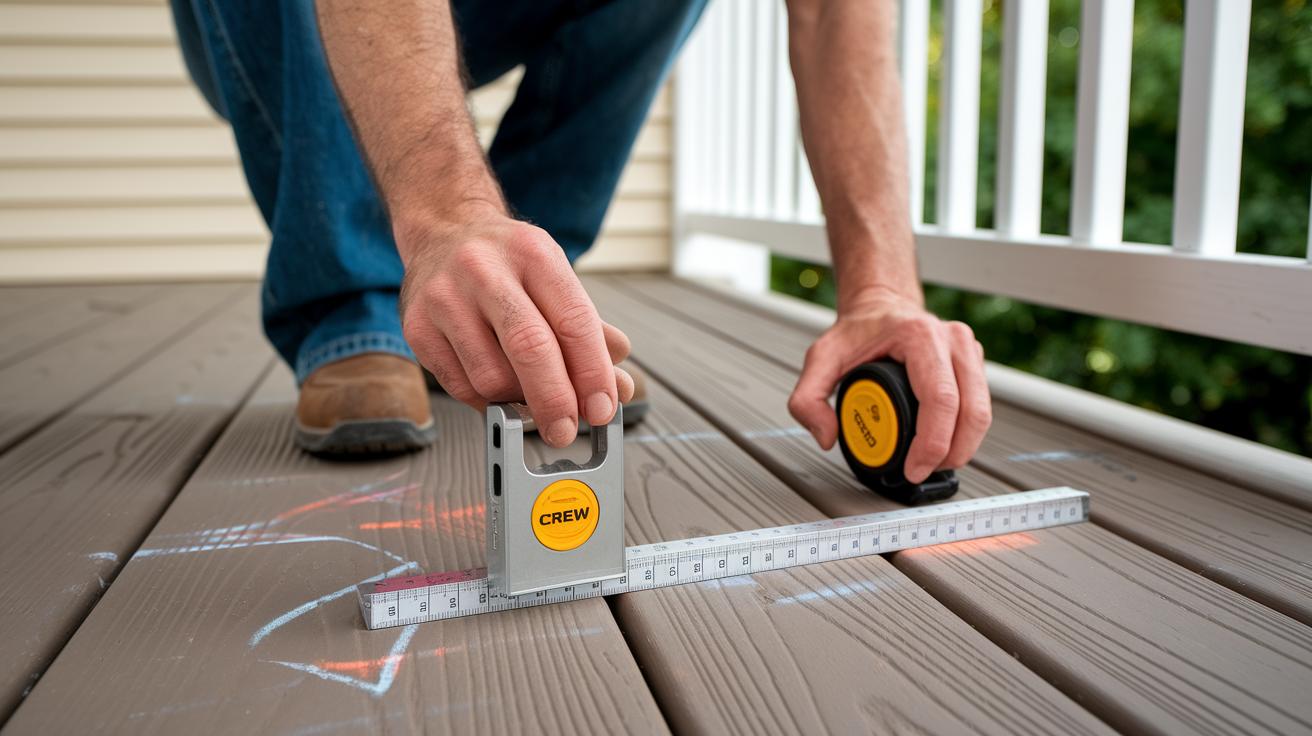
Building deck steps takes careful planning and steady work. First, plan the overall rise from your deck to the ground. Use a speed square to mark the top of each step at a maximum of 7.75 in (20 cm). This helps you build steps that are safe and comfortable. Good materials and proper framing set the stage for steps that last.
-
Measure and Calculate Rise and Tread Sizes
Measure the total distance from your deck down to the ground. Divide this number by 7.75 in (20 cm) to decide how many steps you need. Then, mark each level using a tape measure and a speed square. This clear marking makes it easy to build a steady, code-safe staircase. -
Cut and Test-Fit Stair Stringers
Cut your stair stringers with a circular saw, following your marks closely. After cutting, test-fit each stringer against the deck rim joist to check proper alignment. This quick check ensures every cut is right and each stringer fits perfectly. -
Secure Stringers and Support Framing
Once the stringers are in place, fasten them with 3 in. SDWS Simpson Strong-Tie framing screws. Next, add 2×6 support framing to provide extra stability. Tightly fastening every piece helps your steps resist heavy foot traffic. -
Install Risers and Treads
Position the risers and treads carefully. Nail each bottom riser to the stringers twice. This step keeps the risers and treads securely connected. Check that every part is square and feels firm before moving on. -
Build and Finish the Landing Pad
Pour a concrete landing with a strength of at least 2,500 psi. Once poured, smooth the surface using a magnesium float. This landing gives you a sturdy, level space where the deck meets the ground, and it adds a professional finish to your project.
Ensuring Safety and Code Compliance for Deck Steps
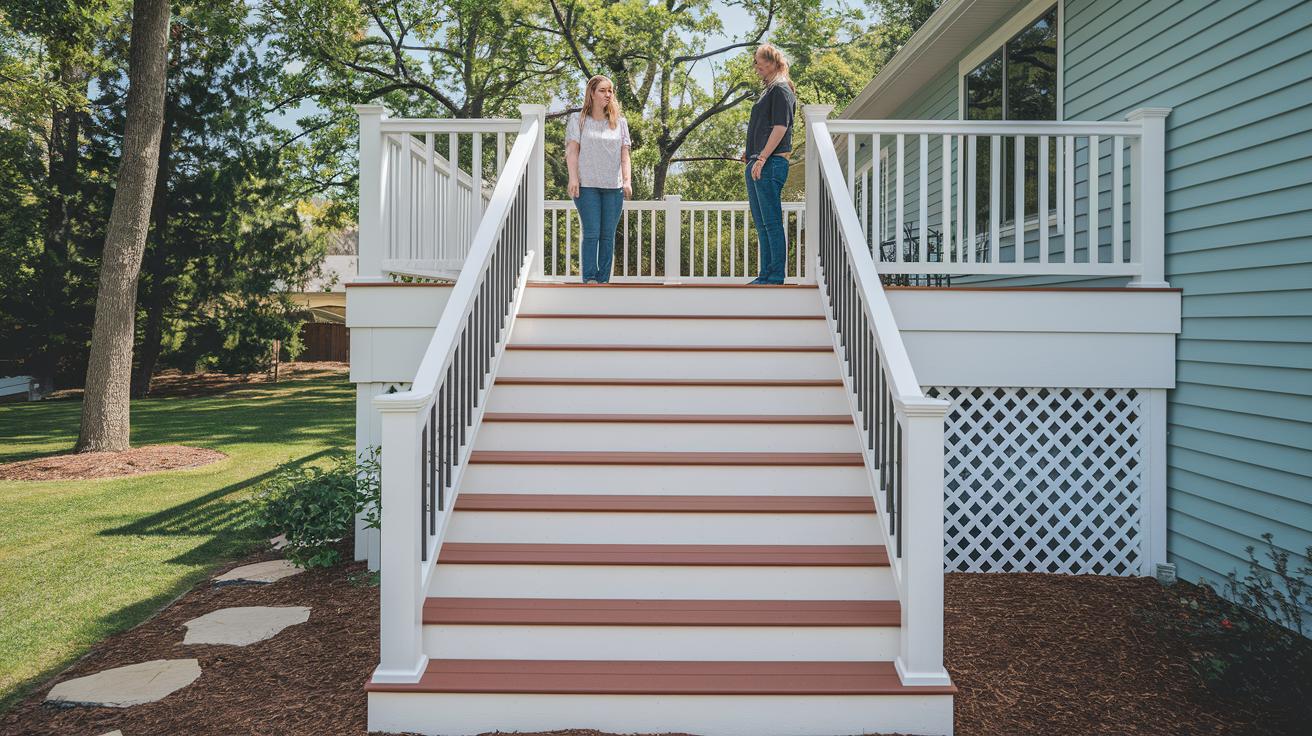
Local building codes call for careful planning when you install deck steps. If your stairs have more than 4 risers (steps) or if any step rises above 30 in (76 cm), guardrails are required. Guardrails should be 36 to 48 in (91-122 cm) high. Handrails need to be 34 to 38 in (86-97 cm) tall. These set dimensions keep you safe and help you follow the rules.
For composite deck steps that rise more than 12 ft (3.7 m), you need to add an intermediate landing. This landing gives you a safe spot to pause and adds extra support. Install non-slip treads and step lighting. These features improve safety in low-light conditions and give your deck a fresh look.
Follow these guidelines closely during both design and build. Measure each part carefully and double-check that every component meets local codes. Using the right materials and methods protects you from risks and can save you future repair costs.
By focusing on safety and carefully following the code, your deck steps will be both reliable and attractive. Proper sizing and secure handrails not only boost your home’s appeal, they also give everyone who uses them much-needed peace of mind.
Budgeting and Maintenance Tips for Long-Lasting Deck Steps

A DIY deck stairs project usually costs between $1,500 and $2,000, while prefab deck step kits run from $300 to $800. For an A15-rise stairway, plan to spend at least $1,500. Careful budgeting helps you choose quality materials without overpaying. It also makes it easier to follow detailed guides and avoid unexpected costs.
Seasonal care is important for keeping your deck steps in great shape. Seal wood decks every year, and give composite treads a gentle cleaning each season. These regular tasks defend your investment by reducing wear and tear. They also boost safety and keep your outdoor space looking its best.
For small repairs, check for loose screws, swap out any damaged boards, and add non-slip treatments where needed. These minor fixes save time and money, while keeping your deck steps both strong and attractive. Follow these budget-friendly tips to enjoy charming, long-lasting deck steps for years to come.
Deck Steps Design Trends and Inspiration
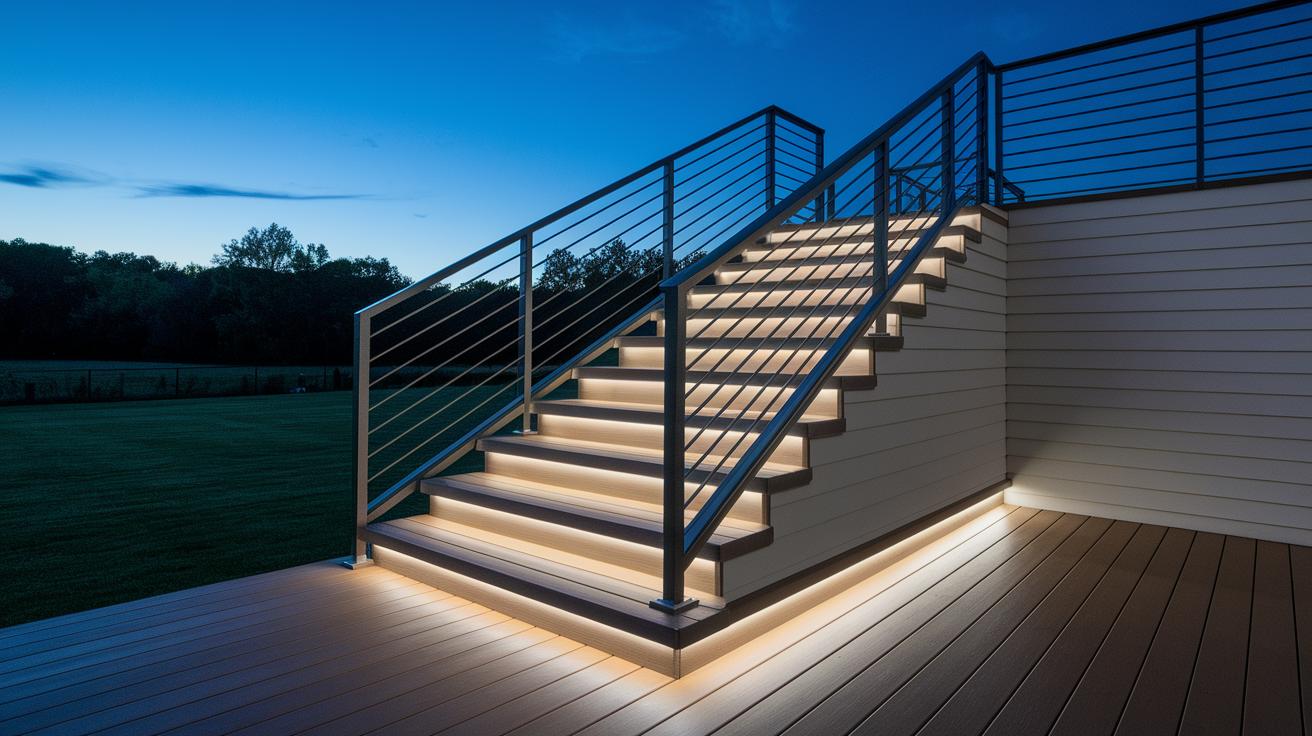
Modern deck steps are changing the look of outdoor spaces with clean lines and smart design. For decks under 12 ft (3.7 m), straight stairs with simple black metal railings create a neat and practical look. These designs focus on simplicity and safety. One great tip is to add built-in tread lighting that safely guides your steps when it's dark.
Angular step designs offer a fresh look that breaks away from tradition. They mix contrasting board colors with picture-frame style borders to create a bold visual effect. Sharp lines and clear geometric patterns make each step stand out. This style not only looks modern but also clearly defines each tread for added security.
Curved and spiral stairs are a rising trend that helps maximize space while adding artistic flair. These rounded designs provide a smooth transition between levels, making the best use of limited space. Choosing exposed-grain rustic wood steps with modern finishes blends natural charm with a contemporary edge.
Final Words
In the action of our deck steps guide, you learned how to plan, measure, and install safe, durable, and stylish outdoor stairs. We covered everything from material selection and code compliance to budgeting and maintenance.
Using clear deck steps techniques, you’re now equipped to tackle your project with confidence and care. Keep safety in mind, measure twice, and enjoy the process as you create beautiful, sturdy steps for your deck.
FAQ
What are wooden deck steps?
Wooden deck steps are built from materials like pressure-treated wood or cedar. They offer a durable, classic option that can be custom-built or replaced to meet safety standards and local building codes.
What options are available for deck steps for sale and prefab kits?
Deck steps for sale and prefab kits offer pre-cut stringers, treads, and hardware. They simplify installation and help ensure your deck steps meet building codes while saving time on construction.
What deck steps ideas and wide deck steps designs are available?
Deck steps ideas include modern wide-tread designs that add visual appeal and safety. These designs often feature extra-wide treads and non-slip surfaces, making your deck both stylish and secure.
What should I know about deck steps replacement and steps with a landing?
Replacing deck steps or adding a landing improves safety and accessibility. Updated materials and proper landing dimensions help maintain compliance with local codes while refreshing your deck’s look.
What are the standard deck stairs?
Standard deck stairs typically have risers between 4 and 7¾ inches with treads that are at least 11 inches deep. This balance ensures comfortable use and meets most local building code requirements.
What is the 27 rule for stairs?
The 27 rule for stairs means the sum of the riser height and tread depth should equal approximately 27 inches. This rule helps create balanced, safe steps that feel natural to climb.
Can I buy prebuilt steps for my deck?
Yes, prebuilt steps are available as kits that include pre-cut stringers, treads, and necessary hardware. These solutions speed up installation and help ensure that your deck steps adhere to safety standards.
What is the standard rise and run for deck steps?
The standard rise and run for deck steps usually feature a riser between 4 and 7¾ inches and a tread depth of at least 11 inches. This setup provides safe and comfortable access while following building guidelines.