Have you ever thought your next woodworking project might start at a local community hub? A community woodshop is a hidden gem. It offers friendly experts, familiar tools, and a welcoming space that sparks creativity. Whether you're new to woodworking or a seasoned maker, you'll find the support and hands-on advice you need. By combining online searches with local recommendations, you can easily find a workshop that inspires your next project. Keep reading to learn how to spot a nearby woodshop ready to transform your craft.
Quick Steps to Find a Community Woodshop Near You
Finding a community woodshop is like uncovering a hidden gem. These shops have a warm smell of fresh-cut pine and sawdust that makes you feel right at home. They offer sturdy workbenches and neatly arranged tools that keep your projects safe and organized. Many are run by skilled woodworkers who are happy to share advice. This makes them great for both beginners and experienced makers. If you're just starting out, check out diy projects for beginners to get an idea of what you might need.
To find the perfect shop, mix digital searches with local advice. Start by using online maps and directories, then tap into community groups or local bulletin boards for recommendations. Write down the names, addresses, and contact details of shops you find. This way, you can compare them and choose the one that fits your needs.
Here are some tips to guide your search:
- Search on Google Maps using terms like "makerspace near me" or "woodshop near me."
- Visit makerspace directory websites and filter by "woodworking."
- Check bulletin boards at your local library or community center.
- Join local Facebook or Meetup groups focused on DIY woodworking.
- Look at noticeboards in hardware stores or lumberyards.
Taking a few minutes to plan and compare will help you choose a workshop that feels welcoming and well-equipped for your projects. Have fun exploring and happy woodworking!
Using Local Makerspace Locator Tools to Pinpoint Nearby Woodshops

Specialized online directories can help you find woodshops close to home. These websites let you sort by project type, available tools, and hours, so you quickly see what fits your needs.
Start by using a makerspace directory and then check on Google Maps. Try searching for "makerspace woodshop" or "public maker workshop" along with your town or zip code. Don't forget to visit your local community center or recreation website, as these often list nearby workshops and include details like class schedules or special sessions.
Be sure to review each listing carefully. Look for features like 24/7 access if you need to work late or on weekends. Also, check if the space is volunteer-run to get a sense of its community vibe. Confirm that the shop has all the tools you require. Taking these steps will help you choose a woodshop that meets your project needs and fits your schedule.
On-Site Tips for Assessing a Neighborhood Woodworking Studio
Take an in-person tour to really get a feel for a woodworking studio. When you visit, you see firsthand how the space is kept and how the setup supports safe, efficient work. It’s your best chance to tell if the workshop fits your project needs and if the place feels welcoming.
- Check how clean the space is and how the workshop is laid out
- Look for solid, stable workbenches
- Inspect the condition and range of power and hand tools
- Note if safety signs and equipment (goggles, ear protection) are available
- Read posted shop rules and emergency procedures
- Look at class and bench-rental schedules
- See if members’ projects are on display for inspiration
- Ask about staff or volunteer help if you have questions
When you’re there, take photos and jot down notes. Write details like the layout, the tool condition, and any features that stand out. This will help you compare studios later and choose the workspace that feels right for your next project.
Membership Options and Community Woodshop Tool Sharing Explained
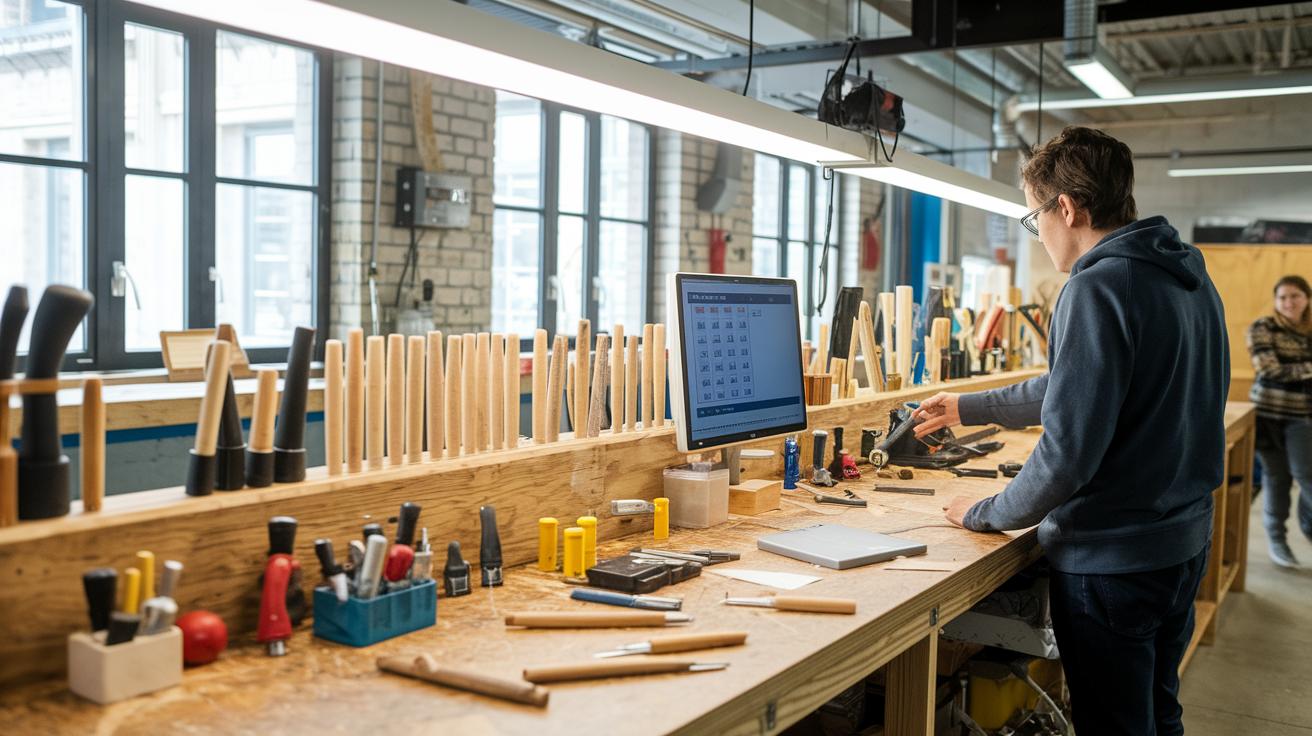
Many community woodshops have different membership levels to meet your needs. You can get a drop-in pass if you plan to visit occasionally, a monthly plan for regular projects, or an annual membership for full-time access. Drop-in is great for trying out the hobby, while monthly or annual plans work best when you have ongoing projects. Some shops also offer extras like gift cards for classes or day passes for visitors.
Most woodshops use a bench-space booking system to keep things fair. They offer a calendar where you can reserve a bench or a specific machine. This makes sure everyone gets a chance to use both basic hand tools and specialty equipment. Always check the calendar first to see if your chosen tool is available when you need it. A seasoned member once said that planning your project around tool availability saved a lot of time.
New members often need to attend safety classes or orientation sessions before using some equipment. Some workshops require proof of training for certain machines. They also set up incident reporting to keep everyone safe and informed. Ask about the safety briefing when you visit for the first time. These steps help build your confidence and let you enjoy all that the workshop has to offer.
How to Join Artisan Woodworking Groups and Find a Community Woodshop
Connecting with local woodworking clubs is a great way to dive into community workshops. Visit open houses, demo days, or club meetings at nearby woodshops. These events give you a real feel for the space and show you how a creative group works together. You might even hear seasoned woodworkers share tips and explain how they keep the workspace safe. Check local bulletin boards, community centers, or the woodshop’s event calendar to spot these opportunities.
Log into the woodshop’s member portal to get updates and details about upcoming events. Many woodshop websites also offer a CONTACT US page with email addresses, phone numbers, or forms. This makes it easy to ask about trial days, membership, safety rules, and what resources they offer.
Before starting your first project with a new group, take a look at our
DIY project planning checklist for extra guidance.
Staying Engaged: Tips for Exploring Shared Craft Spaces and Woodshop Events
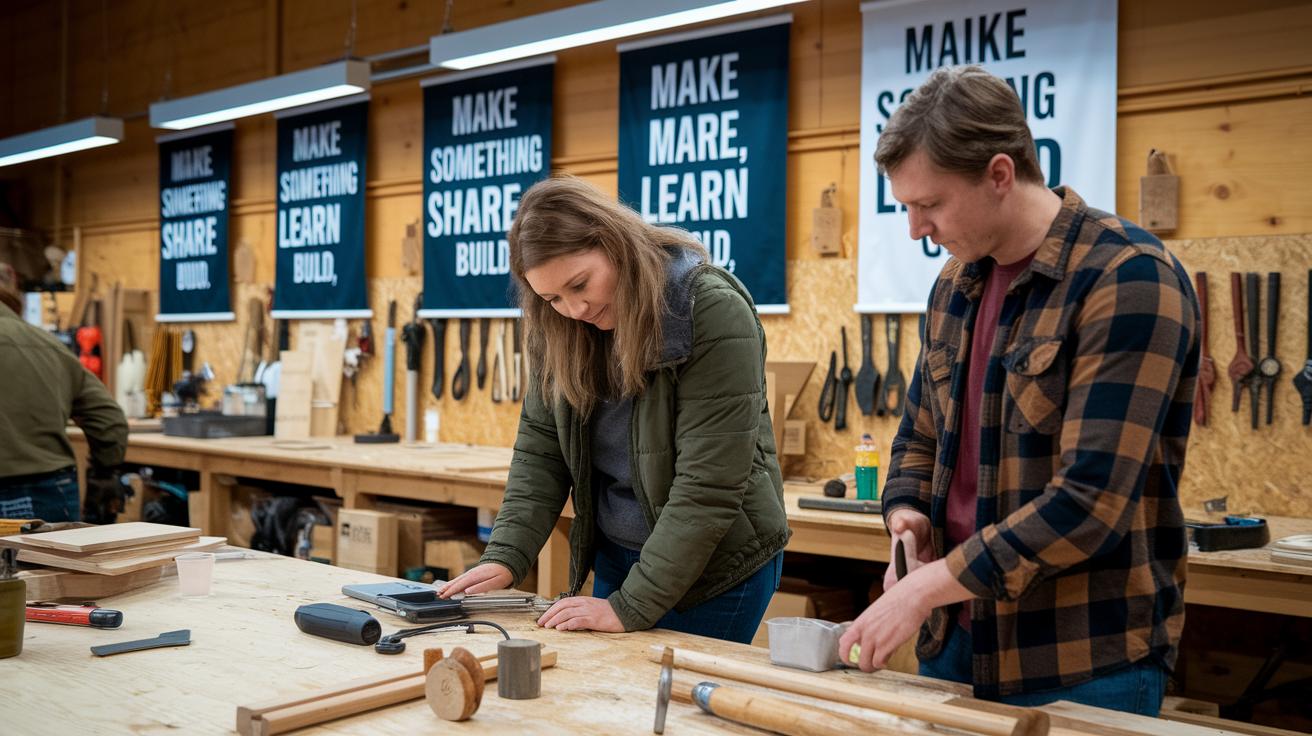
Attending local craft events helps you stay active in your creative journey. Look for skill-share nights, guest-instructor workshops, or club challenges at your nearby woodshop. These events let you try new techniques while meeting fellow makers. Embrace the workshop motto "MAKE SOMETHING, SHARE, LEARN, BUILD" to spark creativity and build community. These hands-on sessions boost your confidence and inspire fresh project ideas.
Subscribe to shop newsletters and check community boards for special events and tool demos. Many woodshops update class schedules often, so you can plan your visits around new opportunities. Joining social media groups connects you directly with other makers and gives you timely tips on upcoming activities. Make it a habit to review bulletin boards weekly for any last-minute updates. This keeps you linked to the creative community and ensures you never miss a chance to learn and share.
Final Words
In the action, we covered clear steps for locating a nearby woodshop. We looked at using online tools, community boards, and digital directories. We also discussed assessing a studio on site and comparing membership options. Remember to jot down details like tool inventory, safety measures, and class schedules. Review the DIY project planning checklist (https://alphapix.org?p=105) for extra tips. With these practical tips, you now know how to find a community woodshop near you and take your woodworking skills to the next level.
FAQ
How to find a community woodshop near you on Reddit?
Searching for a community woodshop on Reddit means checking local subreddits and DIY forums. Users often share makerspace recommendations, reviews, and hidden gem tips for nearby woodshops.
How to find a community woodshop near you for adults?
Finding a community woodshop for adults involves looking through online directories, dedicated makerspace websites, and local community boards. Many shops offer adult-focused classes and memberships for a safe, creative environment.
How do I find a shared or DIY woodworking workshop near me?
Locating a shared or DIY woodworking workshop near you means using search terms like “woodshop near me,” checking Google Maps and makerspace directories, and reviewing local community centers or bulletin boards for listings.
How do community woodshop hours work?
Community woodshop hours vary by location. Many makerspaces display schedules online or on-site, often including extended hours like 24/7 access, while others run fixed class and open-shop times.
Where is the best place to find and cut wood for free?
Finding free wood and cutting services typically means checking local recycling centers, off-cut dumpsters, or makerspaces that offer free cutting sessions. Always ensure the wood is safe to use before starting your project.
What is a woodshop called now?
A woodshop is often called a makerspace or community workshop today, emphasizing shared tool access, modern equipment, and organized spaces for collaborative DIY and creative projects.
How can you get into woodworking if you live in an apartment?
Getting into woodworking from an apartment means joining a community woodshop, makerspace, or using portable tools at home. These options help you work safely without needing a dedicated large space.