Have you ever wondered if your sanding setup is doing more harm than good? When you sand wood, especially hardwood, it produces tiny dust particles that can be a serious breathing hazard. In this article, we explain simple ways to keep dust under control and protect your lungs. We show you how to capture dust right where it forms and why using a respirator with strong filters like P100 or P3 is important. With these tips, you can create a cleaner, safer workspace and focus on your project with confidence.
Comprehensive Dust Control and Respirator Strategy for Sanding
Wood dust from sanding can cause breathing problems and allergies. Hardwood dust is even more risky than softwood dust. We can cut down on dust by capturing it right where it forms. Tools like local exhaust ventilation and dust extraction systems help grab the dust immediately, so less of it swirls around.
Personal protection is vital too. Choose the right respirator for your work. If you're doing light sanding, a disposable mask may work well. For tougher jobs, use a half-face, full-face, or powered air-purifying respirator. Always pick one that uses P100 or P3 filters, which capture 99.95% of dust particles and have NIOSH approval.
- Source Capture – Use sanding attachments and dust extraction ports to catch dust right where it is made.
- Local Exhaust Ventilation – Set up a system to pull dust away from where you breathe.
- Containment/Enclosures – Use sanding booths or barriers to keep dust in one area, making cleanup easier.
- Correct Respirator Choice – Pick a disposable or reusable mask based on job demands. Make sure it fits well and is NIOSH certified.
- Ongoing Maintenance/Training – Clean equipment regularly, replace filters when needed, and make sure everyone knows how to use the gear properly.
Together, these steps build a strong system where engineering controls and personal protection work side by side. When dust capture systems and the right respirators join forces, they create a safer workspace that meets strict protection standards.
Engineering Controls for Dust Suppression During Sanding
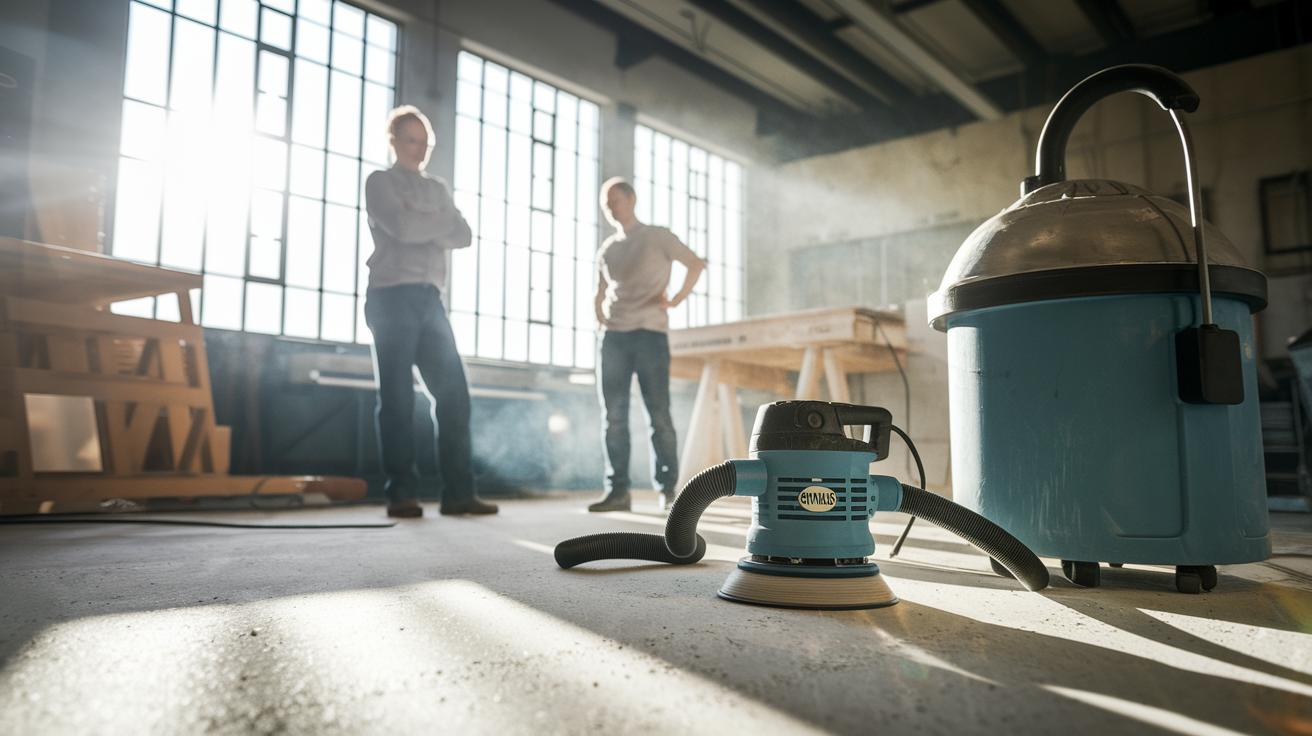
When you sand, controlling dust at its source keeps your work area cleaner and safer. Use equipment that captures dust where it is created. For example, a sander with a local exhaust ventilation attachment pulls dust away right away. A portable vacuum system clears dust from the area quickly. An enclosed sanding booth keeps dust confined, so you can clean up easier. HEPA air scrubbers with P100-rated filters catch tiny particles that other systems might miss. Together, these methods form a strong defense against dust.
| Control Method | Description | Effectiveness | Ideal Application |
|---|---|---|---|
| Local Exhaust Vent | Captures dust right at the source with sander attachments | High | Direct sanding tasks |
| Portable Vacuum Extraction | Sucks dust out of open work areas | Moderate to High | Flexible workspaces |
| Enclosed Sanding Booth | Keeps dust confined in one area for easier cleaning | High | Stationary sanding operations |
| HEPA Air Scrubber | Removes fine dust with high-performance filters | Very High | Supplementary air cleaning |
Using these controls together creates a layered approach that boosts both air quality and safety during sanding.
Optimized Workstation Design and Sanding Techniques to Minimize Dust
Set up your sanding bench in a spot with bright overhead lights and plenty of space. Keep the area neat so everything is easy to find. Place the dust ports right beside your sander so they work best. Use a solid bench that lets you reach the suction tools easily. Always wear your safety gear: a P100-rated respirator, safety glasses, and ear protection.
Keep your tools and workpieces organized. A clear workspace not only speeds up your work but also helps you spot dust before it builds up.
Push your workpiece slowly through the sander. For example, move the board steadily so the dust port can capture even the smallest debris. Using the proper grit in order and a smooth, steady pace helps cut down on dust and airborne particles.
Check the air quality regularly with simple detectors around your station. Also, inspect the vacuum hose and filter media at set intervals. Watch the filter closely and replace or clean it when performance drops. This routine keeps your system working well and cuts down on airborne dust by up to 90%.
Respirator Types and Filter Selection Criteria for Sanding

When you're sanding, dust levels can change. Match your mask to the amount of dust. For small jobs with little dust, a disposable mask works fine. For longer or heavier work, you need a mask with stronger filters.
Disposable Masks
Disposable masks are an affordable choice for light sanding. They protect you from larger dust particles and are meant for short-term use. Once the mask gets clogged or damaged, replace it.
Reusable Half-Face Respirators
Reusable half-face respirators come in different sizes so you can get a snug fit. They use replaceable cartridges with P100 or P3 filters (these capture 99.97% of particles). With adjustable straps and a tight seal, they are a reliable option when dust increases, without needing full-face coverage.
Full-Face Respirators and PAPRs
Full-face respirators guard your eyes, nose, and mouth with a clear visor that resists fogging. Powered air-purifying respirators (PAPRs) take it further by delivering clean air, lowering the effort it takes to breathe during heavy dust work.
Combination Filters
Combination filters protect against both dust and chemical vapors. They work well in areas where sanding might mix fine dust with vapors.
Before you start, always check that your respirator is NIOSH approved and look at the filter expiry dates. Stay safe and work confidently.
Ensuring Proper Fit, Maintenance, and Compliance for Sanding Respirators
A good fit is key to keeping you safe. Fit testing checks that your half-face or full-face mask seals tightly against your face. We use simple tests and instrument-based tests (qualitative and quantitative) to make sure no unfiltered air slips in.
Check your equipment every day. Look over the facepiece for cracks, inspect the head straps for any damage, and make sure the exhalation valves are clear. Clean the mask with approved methods each day. This routine keeps the seal reliable and your protection strong.
Watch for signs that the filters need changing. If you notice your breathing getting harder or if the manufacturer’s timeline is up, replace the filters immediately. Disposable masks should be tossed after a heavy-dust session. For reusable respirators, remove and discard filters that seem clogged, so you don’t breathe in dangerous particles.
Keep a record of every fit test, cleaning, filter change, and maintenance step. Training users well and following NIOSH/OSHA rules, along with running regular workplace checks, will help keep everyone safe.
Final Words
In the action, we tackled sanding dust hazards with clear, step-by-step strategies. We covered engineering controls, work area design, and proper sanding techniques to limit airborne particles. We also discussed respirator selection, fit testing, and maintenance to keep you safe on the job.
This guide shines a light on effective dust control and respirator selection for sanding. With these concise steps, you’re set to complete projects confidently while keeping health risks at bay. Enjoy a safer workspace and smooth project progress!
FAQ
What guidance documents are available for dust control and respirator selection for sanding?
The available guidance includes PDF resources like the 3M respirator selection guide and CDC recommendations. These documents explain strategies to reduce dust hazards and select proper respiratory protection.
How much exposure to drywall dust is dangerous?
The answer is that dangerous drywall dust exposure depends on concentration and time. High levels over prolonged periods can lead to respiratory issues and should be minimized with proper controls.
What are the best masks for sanding and painting?
The best masks for sanding and painting combine high filtration and comfort. Options like N95 respirators work for light exposure, while P100-rated devices are preferable for heavy dust environments.
Which respirator is recommended for sanding wood?
The recommended respirator for sanding wood is a fitted half-face or full-face model with P100 or P3 filters. This equipment effectively reduces fine wood dust inhalation and supports long-term safety.
Is an N95 mask effective for sanding tasks?
The answer is that while an N95 mask offers basic protection, it may not suffice for prolonged or heavy sanding. Higher-rated options like P100 masks provide enhanced protection and are better suited.
What kind of respirator is needed for sanding operations?
The needed respirator for sanding operations should effectively filter fine particles. A reusable half-face or full-face respirator equipped with P100 or P3 filters is ideal for handling significant dust loads.
Is P95 or P100 better suited for sanding?
The guidance is that P100 filters are better suited because they capture at least 99.95% of airborne particles, offering stronger protection compared to P95 filters during sanding tasks.
Do I need a P2 or P3 mask for sanding work?
The answer is that a P3 mask, which provides filtration levels similar to P100 standards, is generally recommended over a P2 mask for sanding, ensuring a higher level of fine dust protection.