Do you ever wonder if your old furniture could tell a story? At community swap and rebuild events, worn dressers and chairs get a fresh start. Neighbors come together to share handy tips and the right tools.
These gatherings let you turn clutter into stylish decor. They show you how to change waste into something wonderful. It's like taking something tired and giving it a new lease on life.
Not only are these projects fun and useful, but they also help bring neighbors closer. You get to learn practical tricks while making your home look brighter.
With seven creative ideas ready for you to try, you have plenty of ways to transform everyday items. So why not give it a go and see how your home and your community can be refreshed?
Launching Community Swap & Rebuild Events for Upcycling Furniture
Community swap and rebuild events are a great way to bring neighbors together to breathe new life into old furniture. These local get-togethers let you share tools, ideas, and tips while turning dated pieces into stylish, useful items. You might see dressers transformed into hall tables or headboards turned into benches. When everyone pitches in, you build a network that supports creative projects and cuts down on waste.
Pick a spot that suits the event. A community center, school hall, or local park works well. Invite neighbors and local experts who are ready to share hands-on tips. Set clear goals like live demos or stations where you can try simple projects, for example, turning crib rails into toy boxes. Having friendly experts and clear plans makes the day both fun and educational.
Tell your neighbors about the event using flyers, social media groups, or local bulletin boards. Ask them to bring one or two old pieces they want to revamp. Set up beginner-friendly project stations that show everything from sanding an old table to trying out new hardware ideas. Watching these real-time makeovers builds excitement and helps everyone feel ready for the next swap and rebuild event.
Organizing Furniture Swap Meets for Upcycling Projects
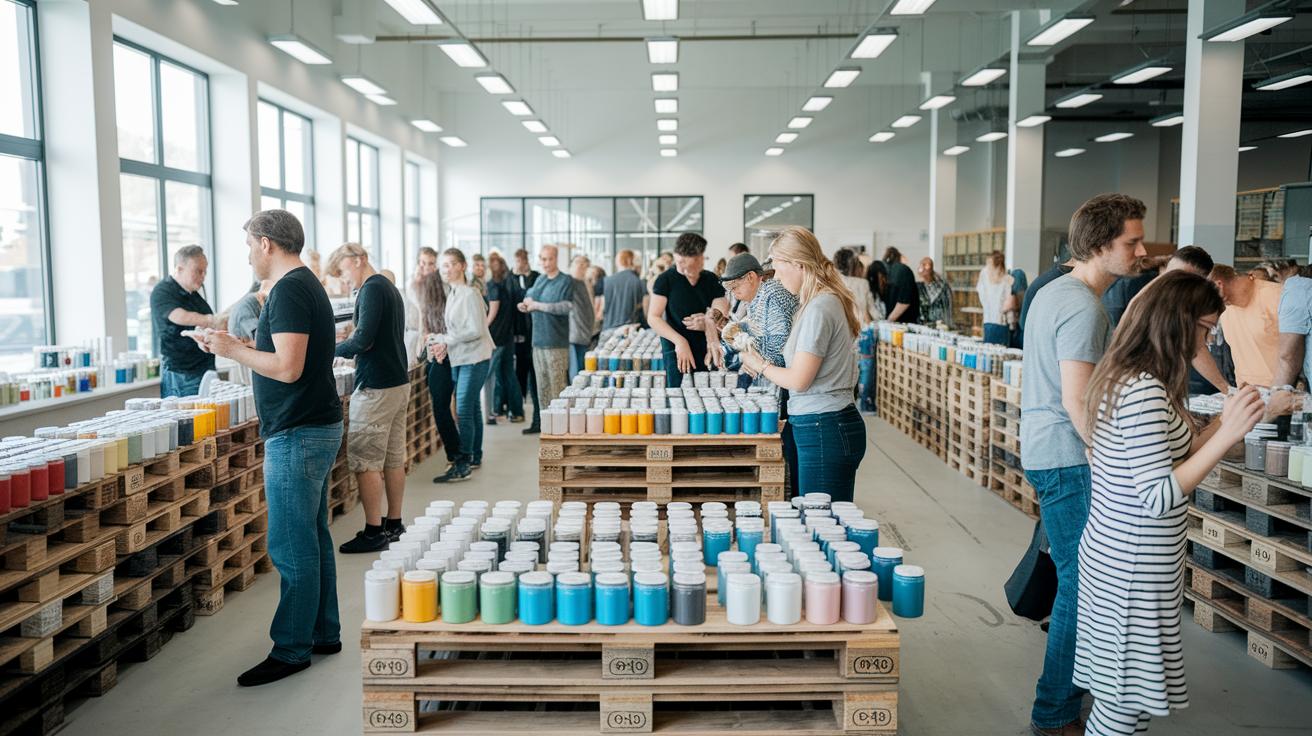
Planning a furniture swap meet is a fun way to bring people together and spark creativity in upcycling. This event shows that you can turn old furniture into stylish, new decor with a little know-how and teamwork.
- Choose a venue and set a date.
- Invite local participants and helpers.
- Create demo stations for different projects like pallet projects, dresser makeovers, and window-to-table builds.
- Gather all the tools and supplies such as chalk paint and small hardware.
- Spread the word in your community and online.
On the day of the event, clear organization makes all the difference. Start with an easy check-in process so everyone gets a schedule and extra details they need. Set up one main registration spot with a printed DIY planning checklist that shows the timeline and tasks for setup.
Make sure to have volunteers at each demo station to help beginners with sanding, painting, or assembling. They should be ready to answer questions and keep tools and supplies stocked. Use signs or markers so people can quickly find the right station.
Watch the flow of people and ask for feedback during the event. This keeps everyone motivated and builds a friendly, learning community. With careful planning and clear guidance, your furniture swap meet will not only show off creative projects, but also inspire people to keep sharing ideas and skills in upcycling.
Mastering Furniture Rebuild Techniques in Community Upcycling
Get the right tools and gear to keep your project safe. You need a power sander, a cordless drill, and sturdy clamps to hold pieces steady. Keep a set of screwdrivers, a putty knife, and different grits of sandpaper nearby. Safety goggles, a dust mask, and work gloves are a must when you deal with old finishes and rusty surfaces. These basic tools set you up well whether you're turning a toolbox lid into a console with industrial pipe legs or reviving a water-damaged piece from years ago.
Start by getting your surfaces ready for a fresh look. Work on one piece at a time. Use a power sander to strip away the old finish. Fill any cracks with wood putty (a filler for small gaps). When you strip away layers of paint, carefully apply a paint remover and then smooth the surface with the sander. For example, a 1923 desk can truly transform after a heavy sanding and two coats of chalk mineral paint. Wipe away any dust with a damp cloth, and let the wood dry completely before you move on. A clean, even surface makes a big difference in the final result.
When it comes time to assemble your piece, focus on using the right hardware and finishing touches. Choose wood screws that work well with the thickness of your reclaimed boards and fit your design. Use painter’s tape to hold down neat edges if you’re adding stripes or accents, like on a mid-century modern phone table. Finally, seal your work with clear polyurethane or wax to protect it against wear. These steps help ensure your upcycled furniture is durable and has a polished look, whether you're building scrap-wood shelves or an industrial-style console.
Low-Cost Refurbishment Methods for Sustainable Upcycling Furniture
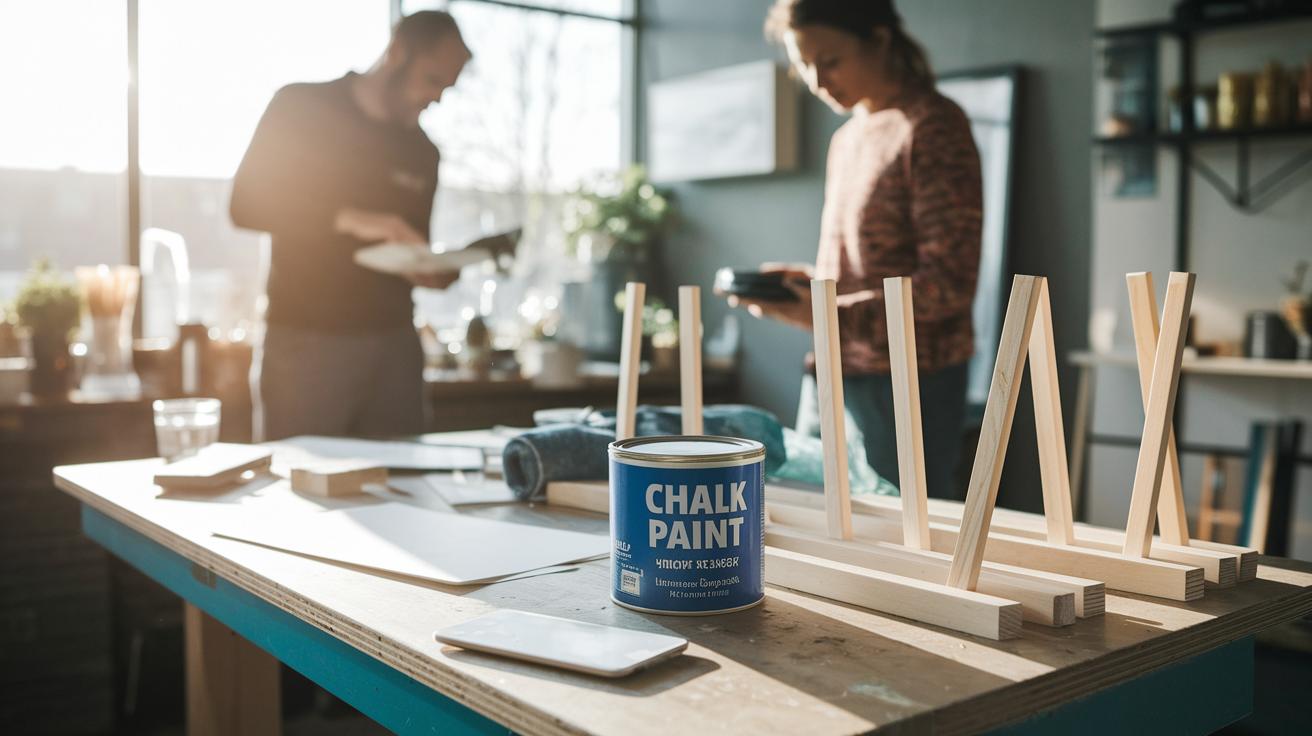
Thrift stores, yard sales, and scrap piles offer great finds at a low price. You might pick up a table, chair, or even a hatbox without spending much. Try creative ideas like using pool noodles for cushion padding on an ottoman or adding plywood supports to a reclaimed table base. These smart tricks help you reuse materials you already own or get at a bargain while cutting costs.
For finishing touches, choose easy-on-the-budget options like chalk paint, wood stain, or a clear coat to protect your work. For example, you can sand a thrift-store table to keep some of its original look and then add chalk paint for a fresh twist. Mixing metal accents with natural wood details can add extra charm without hurting your wallet. These simple, cost-saving ideas let you enjoy sustainable upcycling without giving up style.
Inspiring Upcycled Furniture Project Examples from Swap Events
Creative minds at local swap meets can spark amazing upcycling ideas. When neighbors share their experience and unique finds, everyday items become eye-catching pieces that add both charm and function to your home. These ideas show that you can give old furniture a fresh look with simple techniques and a little community effort.
-
Red toolbox-lid console with industrial pipe legs
A slim red toolbox lid is turned into a sturdy, modern console by adding repurposed metal pipe legs. -
1923 water-damaged desk refurbished with chalk paint
An old desk, damaged by water, is restored with heavy sanding and two coats of chalk mineral paint. -
Ladder transformed into drawer stand
A forgotten ladder is changed into a useful storage unit by fitting it with custom-built drawers. -
Thrift-store table refinished with stain and preserved paint
A worn table from a thrift store gets an inviting update by mixing a deep stain with touches of its original preserved paint. -
Wooden hatbox upcycled into Parisian side table
A vintage hatbox is cleaned, painted with white chalk paint, and given chic hairpin legs to become a stylish side table. -
Pool noodle ottoman for play areas
Pool noodles are repurposed into soft cushioning to create an ottoman that works well in both living rooms and kids' spaces.
These projects show that even simple items can be turned into practical decor when creativity and community come together. Give these ideas a try at your local swap meet by picking up second-hand finds and inviting neighbors to experiment. Whether you're a seasoned DIYer or trying upcycling for the first time, these real-life examples can help you make useful improvements with a hands-on approach.
Sustainable Style Transformations in DIY Furniture Makeovers

Reclaimed furniture is a smart way to refresh your home decor. Use weathered wood alongside modern colors like slate gray (about 48 in/122 cm), deep navy, or crisp white to give your space a fresh, timeless feel. For example, convert an old dresser into an entry table and add a simple vase with modern artwork. Mix rough textures like distressed wood with smooth, glossy details. This blend creates a look that is both bold and inviting. Try using layered fabrics and modern lighting to update vintage pieces. You might also repurpose an old headboard into a bench and set it against a vibrant, geometric rug for an eye-catching spot in your room.
Mixing different materials can add depth to upcycled furniture. Combine wood, metal, and upholstery to create a standout piece. A reclaimed wood table with sleek metal legs can serve as a striking centerpiece, especially when enhanced with seasonal accents. Add soft cushions and throws during the cooler months, or fresh, floral fabrics in spring, to keep the look balanced. Experiment by pairing rough-hewn wood with polished metal and plush fabric. Each element should support the others while keeping its own unique character. Try various mixes until you land on a balanced and inviting design.
Building Ongoing Community Collaboration for Upcycling Furniture
A local upcycling network brings neighbors together. They share tools, skills, and project ideas. When you pool resources, everyone gets quality supplies and expert advice. Techniques like sanding and color-matching paint save time and cut waste. Working together makes tough projects easier and more fun.
Workshops help you keep up the momentum. Set a schedule that rotates the leader so everyone gets to head a session. Gather important tools early to avoid shortages on busy weekends. Give each session a clear goal, whether it's refinishing old furniture or building something new from reclaimed pieces.
Seasonal gatherings add a fun touch. One group might make Christmas lanterns out of porch lights. Another could build outdoor benches for summer. These events give you hands-on experience and real examples of upcycling success. They encourage you to try new techniques and swap tips.
Keep a record of each event by asking for feedback and noting finished projects. Use quick surveys or chats after workshops. Share stories of success and ideas for the next meet-up. Over time, invite neighbors from nearby areas to join in. For more planning ideas, see how to host a DIY skill-sharing workshop (https://alphapix.org?p=150). Regular check-ins help you see what excites your community and what might need change. Recording these details leads to better planning and more neighbors joining your upcycling network.
Final Words
In the action, you saw how community swap and rebuild events can turn old pieces into fresh, creative additions. We covered how to choose venues, gather volunteers, and stage clear live demos.
The steps build your DIY skills while keeping projects on schedule and budget. Embrace upcycling furniture projects (community swap and rebuild) to create stylish, sustainable home pieces. Enjoy the process and keep building confidence in your DIY endeavors.
FAQ
Are community swap and rebuild upcycling events free and available near me?
Community swap and rebuild upcycling events are designed to be free and locally available. They bring neighbors together to share projects, exchange skills, and encourage sustainable creativity in furniture repurposing.
What are some before-and-after ideas for upcycled furniture?
Before-and-after upcycled furniture ideas show dramatic transformations. They often include converting outdated dressers into hall tables, headboards into benches, and even crib rails into toy boxes, highlighting the visual impact of repurposing.
What repurposing furniture ideas suit beginners or school projects?
Upcycling furniture ideas for beginners or school projects include simple tasks such as refreshing old tables into benches or turning chairs into storage units. These projects build confidence and introduce basic upcycling skills.
Is there a market for upcycled furniture and can it be profitable?
The market for upcycled furniture exists as buyers seek unique, eco-friendly builds. Many have found profit in selling refined repurposed pieces, demonstrating that upcycling can be both a creative outlet and a profitable venture.
What are some common upcycling projects and furniture ideas?
Common upcycling projects involve transforming everyday furniture, such as turning a dresser into a table or a ladder into a stand. These projects offer practical, creative ways to renew old pieces for modern use.