Is your deck missing that final detail to boost its look? Deck skirting covers up rough beams and messy clutter. It works like a neat belt around your outdoor area, keeping tools, ladders, and even small critters safely tucked away. This simple, cost-effective upgrade not only lifts your home's curb appeal but also creates a safe, well-organized space to enjoy. In this guide, we explain the basics of deck skirting, review popular material choices, and share smart benefits to make your outdoor living area more inviting.
Deck Skirting Essentials: Definition, Benefits, and Placement

Deck skirting is a cover that hides the open space under a raised deck. It is usually used for decks built 1–4 ft (0.3–1.2 m) above the ground, but sometimes decks are as high as 8 ft (2.4 m). This cover hides the support beams and rim boards while giving your deck a neat finish. A smart deck border can boost your home's curb appeal without a high cost.
One great benefit of deck skirting is extra storage. You can hide ladders, tools, or flower pots underneath. Many DIY enthusiasts also enjoy that this cost-effective solution helps keep small animals out, although a few might still sneak by. Often, projects use sustainable wood or composite materials to add durability and style. When you add skirting to your raised deck, you create a smooth transition between your deck and yard.
Choosing the right materials is key to a good deck skirt. A sturdy border lets you add storage underneath and even supports climbing vines or shrubs. Using low-maintenance materials can help keep costs down. Whether you prefer a classic or a modern look, a well-planned deck border focuses on both beauty and function. The right deck skirting makes your outdoor space more inviting and practical, turning every project into a success story.
Selecting Deck Skirting Materials: Wood, Composite, Vinyl & Metal
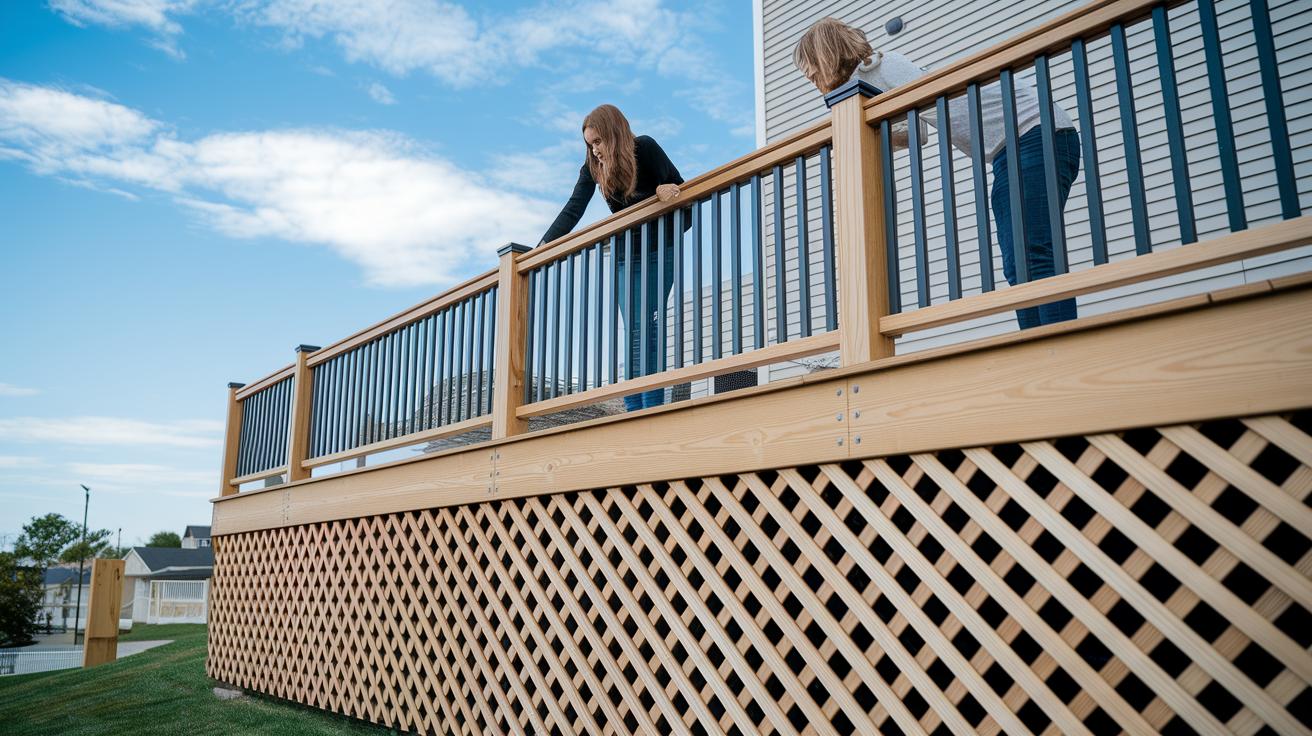
Wood lattice skirting is a favorite for its cost-effectiveness and flexibility. You can arrange the wood pieces in square or diamond designs. This pattern lets air flow under your deck. Remember to seal the wood every year to protect it from moisture and rot. Think of this step like putting on a raincoat for your deck.
Composite skirt panels are loved for their low maintenance. They mimic the look of natural wood grain but resist fading, insects, and rot. You won't need to seal them often. This makes composite a good choice if you want a clean, lasting look with minimal work.
Vinyl enclosure panels, usually made from PVC, offer strong moisture resistance. They need little upkeep and work well in humid or rainy areas. However, vinyl tends to cost more than wood and may not feel as natural. Still, their durability makes them a solid option over time.
Metal skirting offers an industrial style and tough performance. Perforated metal panels allow plenty of air under the deck while standing up to the elements. Although metal may have a higher upfront cost, it lasts long and barely needs any maintenance.
| Material | Key Features |
|---|---|
| Wood Lattice | Affordable, customizable, needs annual sealing |
| Composite Panels | Low maintenance, rot resistant, mimics wood grain |
| Vinyl Panels | Moisture resistant, minimal upkeep, higher cost |
| Metal Panels | Industrial look, durable, excellent ventilation |
Creative Deck Skirting Designs & Modern Aesthetics

Try out wood lattice screens to add charm to your deck. You can use square or diamond patterns that let air flow underneath. Picture a design with alternating diamond shapes that looks like an old window to brighten the space.
You can also add a modern touch by installing horizontal slats, such as Trex, along the bottom of a raised deck. This gives your deck a neat, minimalist border. Another idea is to use vertical boards set at even intervals to create a crisp, gallery-like display that highlights natural materials.
Add trellis panels to support climbing vines for a living accent that softens hard surfaces. Mix in innovative materials like metal, composite slats, painted plywood, or natural stone veneer to create a unique, striking finish. Finally, use accent lighting and matching color schemes to bring out textures and set a warm mood. No matter which method you choose, these ideas boost your deck’s style while offering practical benefits underneath.
Step-by-Step Guide to Deck Skirting Installation

-
Begin by planning your layout and choosing your materials. Think about your deck's height and how you use your yard. You can pick wood lattice, composite panels, or vinyl skirting. This step is like drawing a simple blueprint before building a model airplane.
-
Measure the edge of your deck carefully. Write down all the dimensions. If you can, order pre-cut panels or lattice kits to save time. For example, note down: "Cut 48 in (122 cm) pieces" to ensure everything fits perfectly.
-
Attach support rails to your deck's joists or ledger board. You can position these rails horizontally or vertically. Use corrosion-resistant fasteners (screws or nails) to keep the installation safe and lasting. Even spacing is key; it helps air flow under the deck.
-
Clamp the skirting panels to the support rails to check the fit. Once you are sure they line up correctly, drill holes and drive in your corrosion-resistant screws. The panels should sit flush with even gaps between them.
-
Trim off any extra material along the edges using a circular saw or hand saw. Keep your cuts neat and straight for a tidy finish. Remember: measure twice, cut once.
-
Seal the edges with a good outdoor sealant. Then, paint or stain the skirting to match your deck. Allow the finish to dry completely before adding any decorative trim. For a lasting look, consider applying two coats of exterior paint.
For an extra smooth finish, you might use a modular off-the-shelf trim kit. These kits create a seamless border without visible seams, making the project easier and more efficient.
Follow these steps carefully, and you'll end up with a crisp, professional deck skirting that boosts your outdoor living space.
Maintenance Tips & Moisture Management for Deck Skirting

Keep your deck skirting in top shape with regular cleaning. Each season, power-wash or scrub gently to remove dirt and keep mold at bay. If you're using wood lattice skirting, stain or seal it once a year to help prevent rot. Composite or vinyl borders are low maintenance; a wash with water every few months removes surface grime.
Perform inspections twice a year. Look for loose fasteners, broken boards, or water pooling that might warp the skirting. Check that there is 2–3 inches (5–8 cm) of clearance between the deck and the ground. This gap allows air to circulate and helps reduce moisture, which can attract insects.
When power-washing, set the pressure moderately. For instance, choose 1,500 psi so you can clean gently without causing damage. Start by scrubbing lightly, letting the water flow over the skirting similar to a gentle car wash.
In areas with a lot of rain, choose weatherproof border materials. These tough options handle the weather better, keeping your skirting looking good and functioning well even in wet climates.
Deck Skirting Cost Considerations & Budget Planning

When you plan your deck skirting project, start by comparing material costs per square foot. Wood lattice costs about $2 to $3 per square foot and is one of the most budget-friendly options. Composite panels run from $6 to $8 per square foot. They are durable and require little upkeep. Vinyl or PVC panels cost around $5 to $7 per square foot. These options resist moisture and are easy to care for. For a modern style, metal screening or stone veneer might cost $8 to $15 per square foot, but they usually need replacing less often.
| Material | Cost/SF | Main Benefit |
|---|---|---|
| Wood Lattice | $2-$3 | Budget friendly |
| Composite Panels | $6-$8 | Long-lasting and low maintenance |
| Vinyl/PVC Panels | $5-$7 | Moisture resistance |
| Metal Screening/Stone Veneer | $8-$15 | Modern look, fewer replacements |
You can also cut labor costs by using ready-to-use trim kits and affordable enclosure panels. These kits are made for straightforward installation, saving you time and extra charges. Make a budget by listing each component and comparing warranties and how easy each part is to install. Remember, a higher upfront cost might pay off in the long run if the material lasts longer and needs less work.
Use these tips to choose cost-effective trim options and composite panels. If you need extra help, try a DIY project budget template to manage your expenses and keep your project on track.
Overcoming Common Challenges with Deck Skirting
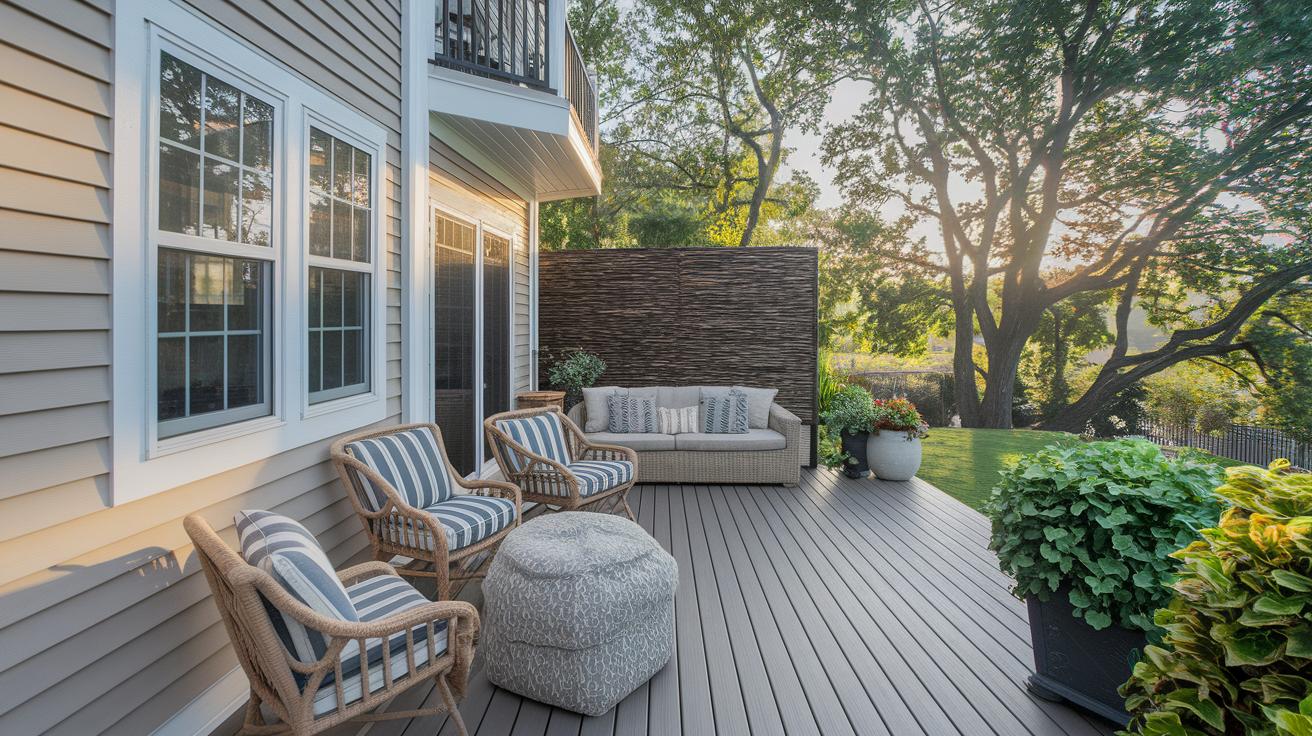
Dealing with critters that burrow under your deck and dealing with moisture that collects in shady spots is a common problem. One good solution is to use an under-deck accent cover. This cover blocks pests while still letting air flow, and it gives your deck a neat edge.
Before you start, check your local building codes. They may have rules that affect your design. Using insulated deck skirts can also help. They improve energy efficiency and reduce drafts, keeping your outdoor space comfy on cooler nights.
You can boost privacy and curb appeal by pairing your skirting with landscaping or privacy screens. These additions help block unwanted drafts and create a cozy, secluded feel.
By addressing moisture and critter issues with quality materials and careful planning, you can build a deck enclosure that is both practical and attractive.
Final Words
In the action, we've covered how deck skirting defines your outdoor space. We explored materials like wood, composite, vinyl, and metal. Next, we discussed creative design ideas and step-by-step installation tips. Maintenance tips and smart cost planning keep your project safe and efficient. Each segment builds your confidence to tackle your deck skirting project with clarity and precision. Stay positive, plan carefully, and enjoy the transformation of your home space.
FAQ
Q: What is the point of deck skirting?
A: The point of deck skirting is to hide joists and rim boards, improve curb appeal, and deter critters. It also creates extra storage space for tools, ladders, and flower pots.
Q: What are some popular deck skirting ideas and material options?
A: Popular ideas include using wood lattice or inexpensive wood panels, composite or Trex options for low maintenance, and metal or vertical board designs that add modern flair while ensuring proper ventilation.
Q: What is the cheapest way to skirt a deck?
A: The cheapest approach often uses wood lattice panels, which are budget-friendly and customizable. They work well for hiding underlying structures while keeping costs low even though they need regular sealing.
Q: What accounts for 90% of deck collapses?
A: Ninety percent of deck collapses are typically linked to improper construction and poor maintenance, such as unsecured structural supports and neglected decay of key components.
Q: How does composite deck skirting compare to other materials?
A: Composite deck skirting is low maintenance, resists rot and insects, and mimics natural wood. Unlike traditional wood panels that require sealing, composite options offer long-term durability with minimal upkeep.
Q: What design options work best for under deck skirting?
A: Effective under deck skirting designs use creative panels or lattice patterns that allow airflow. They offer a balance of safety and style by concealing structural elements and supporting climbing plants.