Have you checked if your workshop is truly safe? Missing a few checks can lead to serious injury. In fact, nearly 1,000,000 emergency room visits each year show the cost of overlooking safety.
A good safety plan is the first step to reducing risks and protecting your work area. In this guide, we share a simple checklist covering equipment inspections, protective gear, and fire safety measures.
Follow these clear steps so you can focus on your projects with confidence, knowing your workshop is secure and organized.
Key Components of Your Home Workshop Safety Checklist
A home workshop safety checklist is a simple way to keep track of crucial tasks and lower your risk of injury. Every month, a community-driven checklist can remind you to inspect your equipment and review safety steps. This is important since almost 1,000,000 people end up in emergency rooms each year due to everyday product injuries.
A clear checklist helps you stick to your daily safety routine and makes sure every important area gets attention. For example, SafetyDocs offers easy-to-use documents made for home workshops. These forms help you follow risk guidelines, keep your protective gear organized, and arrange storage effectively while also planning your emergency response.
- Hazard Assessment: Inspect every machine and work area for dangers and check that guards are properly installed.
- Personal Protective Equipment: Ensure that you have your essential gear, like safety glasses and cut-resistant gloves.
- Electrical & Fire Safety: Test GFCI outlets (ground fault circuit interrupters) and check fire prevention measures near circuits and open flames.
- Dust Control: Write down your steps for dust extraction and vacuuming to keep your air clear.
- Ventilation: List the methods you use for proper airflow, whether through natural ventilation or a mechanical exhaust system.
- Tool Maintenance: Set up a regular schedule to inspect both power and hand tools.
- Storage Organization: Designate clear, labeled spaces for storing tools and chemicals.
- Emergency Response Planning: Note the locations of emergency exits and keep emergency contact numbers nearby.
- Routine Inspections: Plan daily and weekly checks to make sure all safety measures are in place.
- Documentation and Training Records: Keep logs of your inspections and safety training sessions to help improve your overall safety plan.
Hazard Assessment Procedures for Home Workshop Safety
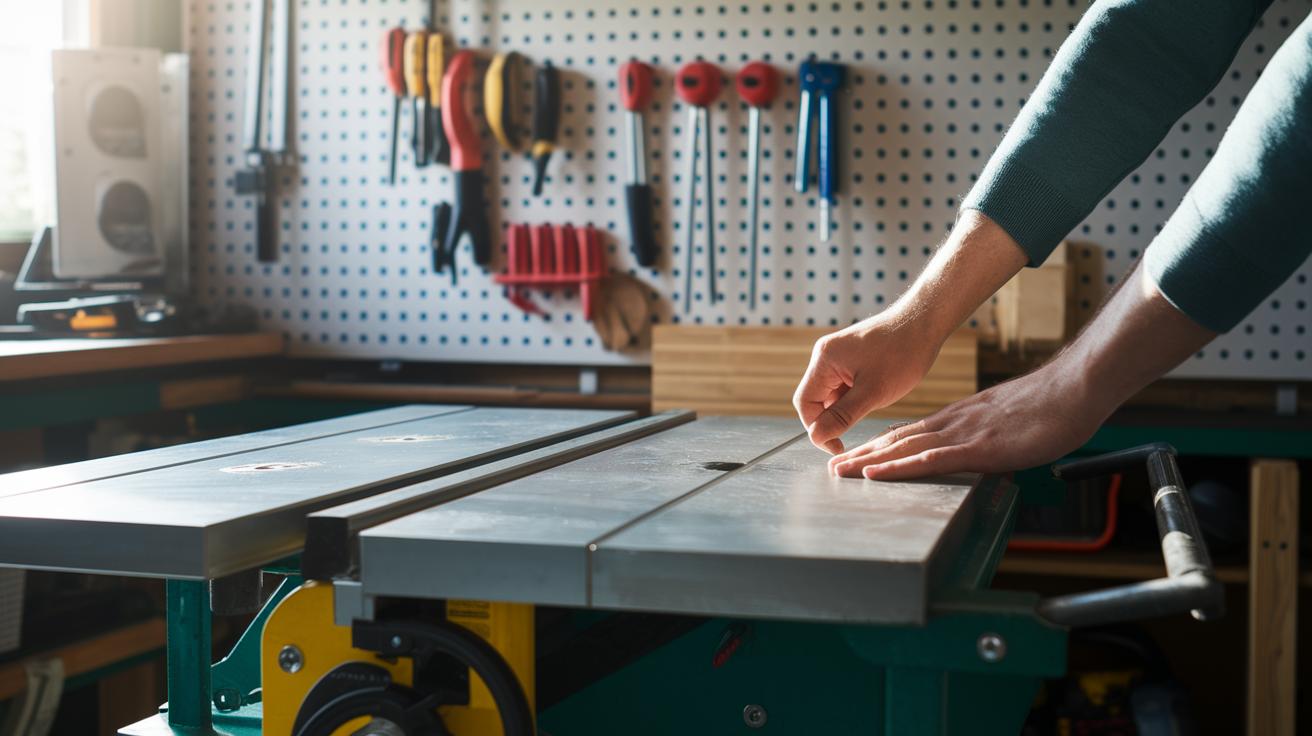
Regular checks keep your workshop safe and running smoothly. By spotting risks early, you can help prevent injuries and avoid expensive repairs. Take a few minutes each week to look over your tools and machines, ensuring they are in safe working order.
- Check each machine to make sure all safety guards and parts are in place.
- Test every tool's switch and emergency stop to confirm they work properly.
- For radial arm saws, verify that the blade depth is set correctly and the fence is locked securely.
- Before using jointing tools, ensure the lumber is free of nails, staples, or other metal bits.
- Set the bandsaw's upper blade guide to sit 1/8 in (0.3 cm) above the material for better control.
- Make sure there is enough clear space around each machine for safe movement and proper operation.
- Inspect all electrical connections and outlets to catch any frayed cords or loose wiring.
- Confirm that dust collection and ventilation systems are working well to reduce airborne particles.
Schedule these checks every week. Regular assessments help keep your workspace safe and ensure that all safety features do their job.
Personal Protective Equipment Guidelines for Home Workshop Safety
Wearing the right protective gear is important for staying safe in your home workshop. PPE (personal protective equipment) shields you from sparks, dust, flying bits, and chemical spills. Using the right gear for each job helps protect your eyes, lungs, hands, body, ears, and feet. It also boosts your confidence when you handle tools and machines.
• Safety glasses or goggles: Use them to keep tiny flying particles away from your eyes when cutting or sanding.
• Dust mask or respirator: Wear one to stop fine dust and chemical fumes from getting into your lungs during sanding or finishing tasks.
• Cut-resistant gloves: These protect your hands when you work with sharp tools or metal parts.
• Protective clothing: Choose clothes made for heat or chemical exposure for specific tasks.
• Hearing protection: Use earplugs or earmuffs when operating noisy power tools.
• Protective footwear: Wear steel-toed shoes or boots to guard your feet against heavy falling objects.
• For more details: Check the full PPE checklist for DIY projects at https://alphapix.org?p=277.
Always review your gear before starting a project. If your equipment shows wear, replace it. Keeping your protective gear in top condition is key to a safe workshop.
Electrical Safety Procedures and Fire Prevention Strategies for Home Workshop Safety

Electrical Safety Procedures
Test your GFCI outlets every month to keep your workshop safe and reduce shock risks. Check that each outlet is properly grounded and review your circuit breakers and SafetyDocs templates to ensure everything meets code. Store your extension cords on reels and away from walkways so they don't create tripping hazards or get damaged. For any complex wiring, it's a good idea to get professional help, visit the electrical safety guide for DIYers at https://alphapix.org?p=113 for more advice. Finally, regularly inspect all outlets for loose connections, especially when you expect a heavy load.
Fire Prevention Strategies
Place a Class A/B/C fire extinguisher within 30 feet of any high-heat equipment to quickly address any flare-ups. Keep flammable liquids locked in UL-rated cabinets away from sparks or open flames to separate them from ignition sources. Test your fire alarm systems often to catch any issues early. Keep your workshop tidy and store all combustible materials in designated areas where they are safe from heat. Check that your fire extinguisher's pressure gauge and label are in good shape, and swap out any old units immediately. Keeping up with these checks and maintenance routines helps ensure your workshop is ready to handle fires if they occur.
Dust Control Measures and Ventilation Improvement Tips for Your Home Workshop Safety
Keep your workshop safe by controlling dust and fumes. Connect a dust collector or shop vacuum directly to your saws and sanders. This catches dust right where it is made. Use a portable air purifier with a HEPA filter to trap any fine dust that escapes. When working on dusty tasks, wear a dust mask to protect your lungs.
Improve the air quality in your workshop with both mechanical and natural ventilation. Install exhaust fans near where you use paints or solvents. This helps pull the fumes out quickly. Open windows to boost airflow and reduce the buildup of chemicals. Check your ventilation system regularly and clear any blockages.
By combining proper dust collection with good ventilation, you create a safer, cleaner workspace. This lets you focus on your projects with confidence.
Tool Maintenance Routines and Safe Operating Protocols for Home Workshop Safety
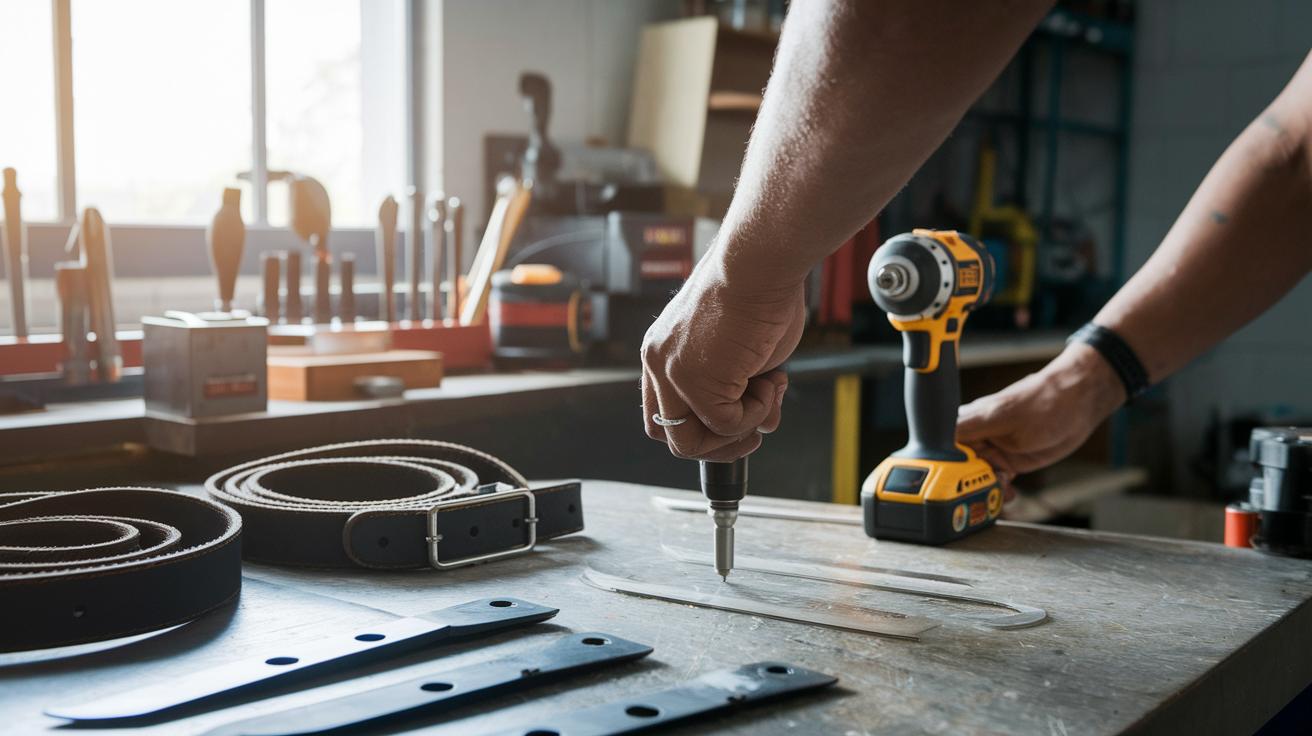
Keeping your tools in top shape is key to a safe workshop. Regular care, like sharpening blades, adding grease, and replacing belts, prevents sudden breakdowns and keeps your power tools working their best.
Before you use any power tool, take a few minutes to inspect it. Check its moving parts, bearings, and electrical connections. Replace any worn parts and reset the equipment as the maker suggests. For help, you might refer to the Woodworking Machine Safety Fact Sheet to adjust guards and follow startup steps.
Also, check each hand tool before starting work. Look for any cracks, worn grips, or loose handles that could make the tool unsafe. Taking a short moment for a visual check at the start of your session can protect you from accidents.
Set up a simple maintenance calendar to record your inspections and repairs. This way, you can keep every power and hand tool in safe working order while you enjoy your craft.
Storage Organization Rules and Clutter Reduction for Home Workshop Safety
Keeping your workshop tidy helps prevent accidents and speeds up your work. A neat space cuts down on trip hazards and saves time when you search for the right tool. When you clear clutter, you create safe work zones where safety steps are easy to follow. Regular cleaning and organizing also makes movement easier and improves the overall feel of your space.
- Mount hand tools on labeled racks or magnetic strips at eye level for quick access.
- Store solvents and flammable chemicals in lockable, ventilated cabinets with extra spill protection.
- Group materials by size and weight, and keep at least a 3-foot (91 cm) clear path around equipment.
- Set aside specific spots for frequently used items and store seasonal tools in less active areas.
These steps not only lower the risk of trips and falls but also make it easier to keep up with regular safety checks and maintenance.
Emergency Response Planning and First Aid Kit Readiness in Home Workshop Safety

First, put together a first aid kit that follows OSHA rules. Fill it with bandages, burn dressings, and other supplies for minor injuries, plus tools for emergencies like a CPR mask and a tourniquet. Keep the kit where you can get to it fast and check it often to swap out any expired items. A complete kit helps stop small injuries from turning into bigger problems during your projects.
Next, set up clear exit routes in your workshop. Post emergency contact numbers and a floor plan near your main doors. Mark the paths and keep them clear of clutter at all times so everyone knows where to go if a fire or other emergency happens. Clear signs like these can save time and reduce panic when every second counts.
Finally, run a fire drill each month and test your emergency lights to make sure they work. Go through different scenarios and update your plans as your tools or workspace change. Taking these steps gives you peace of mind and ensures you are ready if something unexpected comes up.
Routine Safety Inspections and Documentation Practices for Home Workshop Safety
Keeping detailed records is key to a safe and efficient home workshop. Use a dedicated binder or digital folder to log your daily safety checks, equipment upkeep, and any incidents. This log serves as a reminder to stick to safety practices and helps you make ongoing improvements.
Use a monthly safety-check template to capture routine inspections and minor maintenance tasks. Write down your observations for each tool, note repairs or adjustments needed, and check that all safety features are working properly. Daily records help you spot issues before they turn into accidents.
Schedule a full safety audit every quarter. Review your logs and update your procedures as needed. These audits help you notice safety trends, identify repeating issues, and ensure your documentation is up to date. Regular reviews build accountability and nurture a safety-first mindset in your workshop. Always keep your safety log current and adjust it when new risks or equipment changes occur.
Final Words
In the action, this guide has built a solid home workshop safety checklist that covers hazard assessments, PPE, electrical checks, dust control, tool maintenance, organized storage, emergency response, and routine inspections. Each section breaks down steps to help you work safely and confidently. The clear instructions and cost details empower you to tackle projects while avoiding costly setbacks. With this comprehensive checklist, your home workshop becomes a safer, more efficient workspace. Always keep your safety checklist handy to stay productive and secure, turning every project into a positive experience.
FAQ
Q: How can I access workshop inspection checklist templates in different formats such as PDF, Excel, or Word?
A: The checklist templates can be downloaded in PDF, Excel, or Word formats to fit your setup. They help you follow safety procedures easily and ensure a comprehensive inspection process for your home workshop.
Q: What does a safety inspection checklist template include for workshop safety?
A: The checklist typically covers hazard assessments, PPE, electrical and fire safety, tool maintenance, and emergency planning. It helps ensure your workshop meets safety standards and OSHA guidelines.
Q: What are 10 general safety rules in a workshop, including metal workshops?
A: The safety rules cover proper PPE use, clear walkways, secure tool storage, electrical checks, regular inspections, ventilation, fire extinguisher readiness, hazard awareness, tool maintenance, and emergency planning, adaptable for metal workshops.
Q: What should a home safety checklist include for workshop safety?
A: It should cover hazard assessments, PPE, storage organization, electrical safety, dust control, tool maintenance, emergency planning, and regular documentation to keep your workshop safe and organized.
Q: What essential items are needed for workshop safety?
A: Essential items include safety goggles, dust masks, fire extinguishers, first aid kits, appropriate PPE, chemical storage solutions, and regular inspection checklists to help manage daily safety in your workshop.