Ever notice how some DIY projects burn through cash while others stay on budget? Often, it's simple mistakes like missing details in your material list or tool rental fees. In this guide, we walk you through a clear plan to lock down your costs. You'll learn how to measure exactly what you need and when renting a tool makes more sense than buying one. With these easy tips, you can steer clear of surprises and keep every dollar in check.
Essential Steps to Estimate DIY Project Costs for Materials and Tool Rentals

Planning your DIY project starts with clear goals and a close look at every detail. First, decide what you want to achieve and check all your project information. This helps you confirm the specifics before you set your budget for materials and tool rentals. A detailed DIY checklist (see https://alphapix.org?p=105) can make sure nothing is missed.
Good planning saves time and money. When you measure exactly how much material you need, you avoid buying extra. Breaking your project into smaller tasks with a work breakdown structure (WBS) makes each part easier to manage. This approach also helps you decide if renting a tool is better than buying it. Try using a DIY project budget template (https://alphapix.org?p=109) to keep your numbers organized.
- Review the project scope.
- Measure the amount of material needed.
- Create a work breakdown structure.
- Estimate the cost for materials.
- Check tool rental rates and compare renting versus buying.
- Set aside an extra 5–10% for unexpected costs.
Following these steps helps you avoid surprise expenses and keeps the project on track. With a clear plan, accurate material estimates, and smart decisions about tools, you can control your budget and make sure every dollar counts.
Analyzing Material Pricing in Your DIY Project Cost Estimates
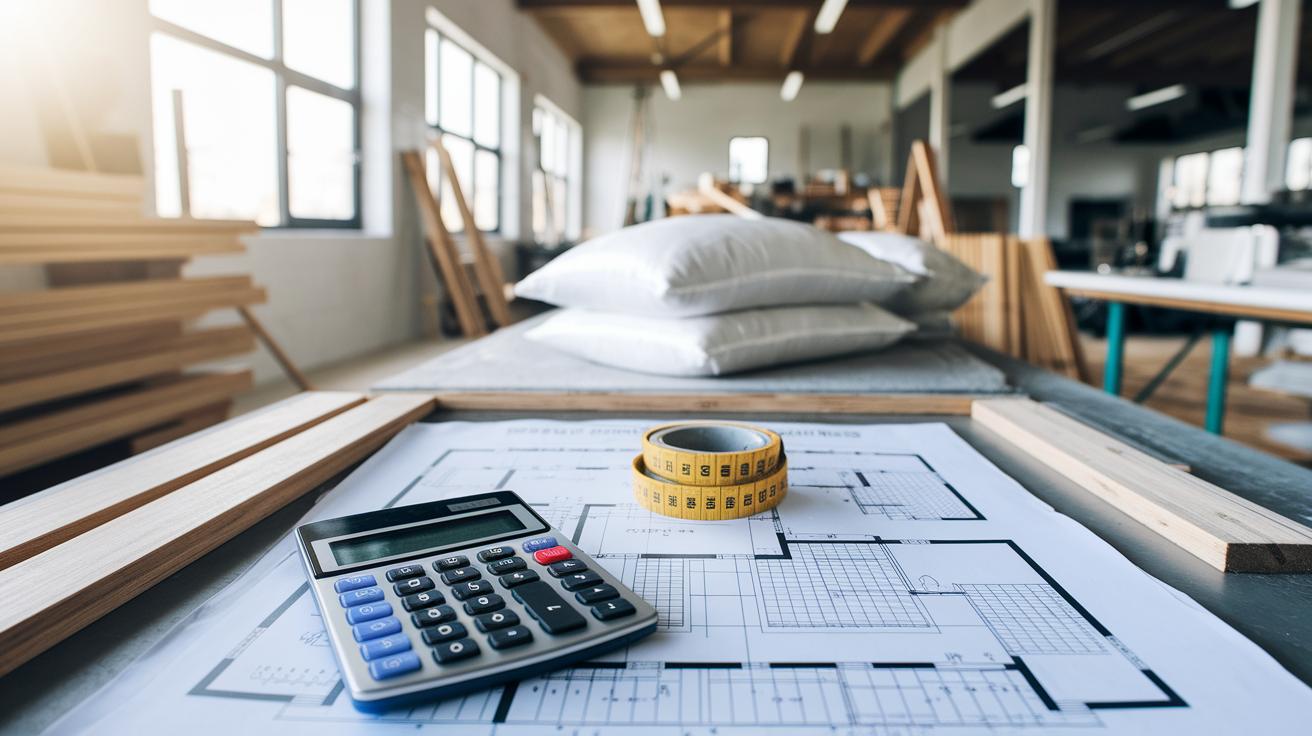
It's important to measure the exact amount of material your project will use. By working directly from your drawings and plans, you can prevent both buying too much and running short. This careful check also helps you factor in local sales tax and set aside 5–15% extra material to cover waste.
| Material | Unit Price | Quantity | Total Cost |
|---|---|---|---|
| Concrete | $4.50/bag | 20 bags | $90.00 |
| Lumber | $3.00/ft | 50 ft | $150.00 |
| Paint | $18.00/gallon | 4 gallons | $72.00 |
When checking prices from different suppliers, make sure you confirm the cost per unit and any tax rules. Look for discounts on bulk orders and ask if there are hidden fees. This smart shopping can lower your expenses and give you room to negotiate.
- Note: Measure and note any extra material needed for off-cuts.
- Tip: Compare prices from at least three suppliers.
- Step: Include sales tax in your cost calculations.
- Reminder: Adjust your order to reflect estimated waste.
Budgeting for Tool Rental Costs vs. Purchase Costs in DIY Project Costs

Renting tools can quickly change your project budget, especially when you need equipment that is not common. Knowing when to rent and when to buy helps you save money and avoid overspending. It keeps your upfront costs low while managing long-term expenses.
- Initial cost recovery calculation
- Frequency and duration of use
- Seasonal demand adjustments
- Add-on charges for extras
- Rent-vs-buy break-even analysis
Start by setting a rate for renting based on the tool's purchase price and how often you think you will use it. Then, adjust that rate with real-life usage data. Change the pricing as the season changes or as your rental period lengthens. This lets you compare the total rental cost with buying the tool and paying for its upkeep. These simple calculations help you decide which option is best for your project budget. Spending a bit more time on these numbers now can keep you from facing unexpected costs later.
Leveraging Software and Spreadsheets for DIY Project Cost Estimation

Digital tools make it faster and easier to plan your DIY project budget. They pull in price data from suppliers and update costs every few months. Many tools include built-in steps that work out unit costs automatically. For example, Excel lets you add custom formulas for depreciation, tax rules, and contingency funds. Mobile apps can track expenses in real time, too. This approach saves time and cuts down on mistakes when you create detailed estimates.
| Tool Type | Key Features | Best Use Case |
|---|---|---|
| Spreadsheet Templates | Custom formulas, links to supplier data | Small to mid-size projects that need flexible planning |
| Specialized Estimating Software | Built-in work breakdown steps, automatic unit cost pulls | Complex projects needing detailed cost checks |
| Mobile Budgeting Apps | Real-time expense tracking, frequent cost updates | On-site changes and quick budget tweaks |
Your choice of tool depends on how complex your project is and how comfortable you are with advanced features. If your project is simple, a cost analysis spreadsheet might work well. For bigger projects where exact numbers matter, software or a mobile app can give you the clear, real-time breakdowns you need.
Top Techniques to Enhance the Accuracy of Your DIY Project Cost Estimates

Start by looking at your past projects. Use the numbers from previous jobs to set clear cost goals. Add a 5–10% extra amount to cover surprises like unexpected site conditions. Track your spending as you go so you can see if your estimates match actual costs.
Keep a record of tool rentals and material waste. This on-site feedback helps you improve your estimates over time. Look for bulk discounts and try different suppliers to lower your overall costs.
- Historical cost benchmarking
- Adding a contingency buffer
- Real-time expense tracking
- Adjusting estimates with on-site feedback
- Bulk buying and supplier changes
Make detailed records for every project and update your pricing strategy often. This careful planning builds a strong base for future budgets and cost-saving ideas.
After each project, review your numbers to find ways to improve. Little changes from your growing experience make your budgeting sharper. Over time, improved tracking and cost analysis will help you spend less and make more informed choices about materials and tool rentals.
Final Words
In the action of estimating your DIY project budget, you learned to start with a clear project scope, do a careful quantity takeoff, and break the project into manageable tasks. You reviewed strategies for pricing material needs and assessing tool rentals versus purchases. We also discussed using digital tools to simplify your work and adding a contingency buffer for unexpected costs.
Following this structured plan helps you keep projects on track and within budget. Use these steps to learn how to estimate DIY project costs (materials + tool rentals) confidently and safely.
FAQ
How do I estimate DIY project costs for materials and tool rentals using free methods or Excel?
Estimating DIY costs begins with reviewing your project scope, doing a detailed quantity takeoff, and using Excel formulas or free online tools to calculate material needs and rental tool expenses with a built-in contingency.
How does an equipment rental rate calculator Excel work?
An equipment rental rate calculator in Excel uses custom formulas to convert purchase prices and expected usage into daily, weekly, and monthly rental rates, adjusting for seasonal and demand factors.
How do I estimate equipment cost in construction projects?
Estimating construction equipment costs involves factoring in purchase prices, rental rates, operating expenses, and depreciation. Detailed calculations and historical data help build an accurate estimate.
How can I calculate equipment rental rates?
Calculating equipment rental rates means determining a base rate from the equipment’s cost and usage days, then adjusting based on booking feedback and seasonal demand for accurate pricing.
What are free construction cost estimators?
Free construction cost estimators are online tools that let you enter project details and get instant cost breakdowns, factoring materials, labor, equipment rentals, and a contingency buffer.
How do equipment rental rates vary by daily, weekly, and monthly periods?
Equipment rental rates vary by rental duration—daily rates are highest per day, while weekly and monthly rates offer discounts. This structure compensates for longer use and lower per-day costs.
Can you provide an example of a construction cost estimate?
A construction cost estimate example details a breakdown of expenses including material costs, labor fees, tool rentals, and a contingency buffer. This transparent plan guides budgeting and helps avoid overruns.
What is the best way to estimate the material cost of a project?
The best way to estimate material costs is by performing an accurate quantity takeoff from your plans, comparing prices from multiple suppliers, and adding an extra percentage to cover any waste or off-cuts.
What is the formula for equipment rental pricing?
A common formula for equipment rental pricing calculates a base rate by dividing the equipment cost by projected usage days, then adds fees based on additional operating and seasonal factors.
Is it cheaper to rent or buy tools for a project?
Whether renting or buying tools is cheaper depends on your project duration and frequency of use. Renting works best for short-term projects, while buying may offer cost savings for repeated or long-term jobs.