Ever finish a weekend feeling overwhelmed by a DIY project that just went off track? A little planning can really change the game. When you take a few minutes to set clear goals and list every step, your project turns into something fun and doable. In this guide, we’ll show you how to break down tasks, budget your time and money, and keep your project on track. Ready to turn a hectic weekend into smooth, creative fun? Let's get started.
Planning Essentials for Your Weekend DIY Project
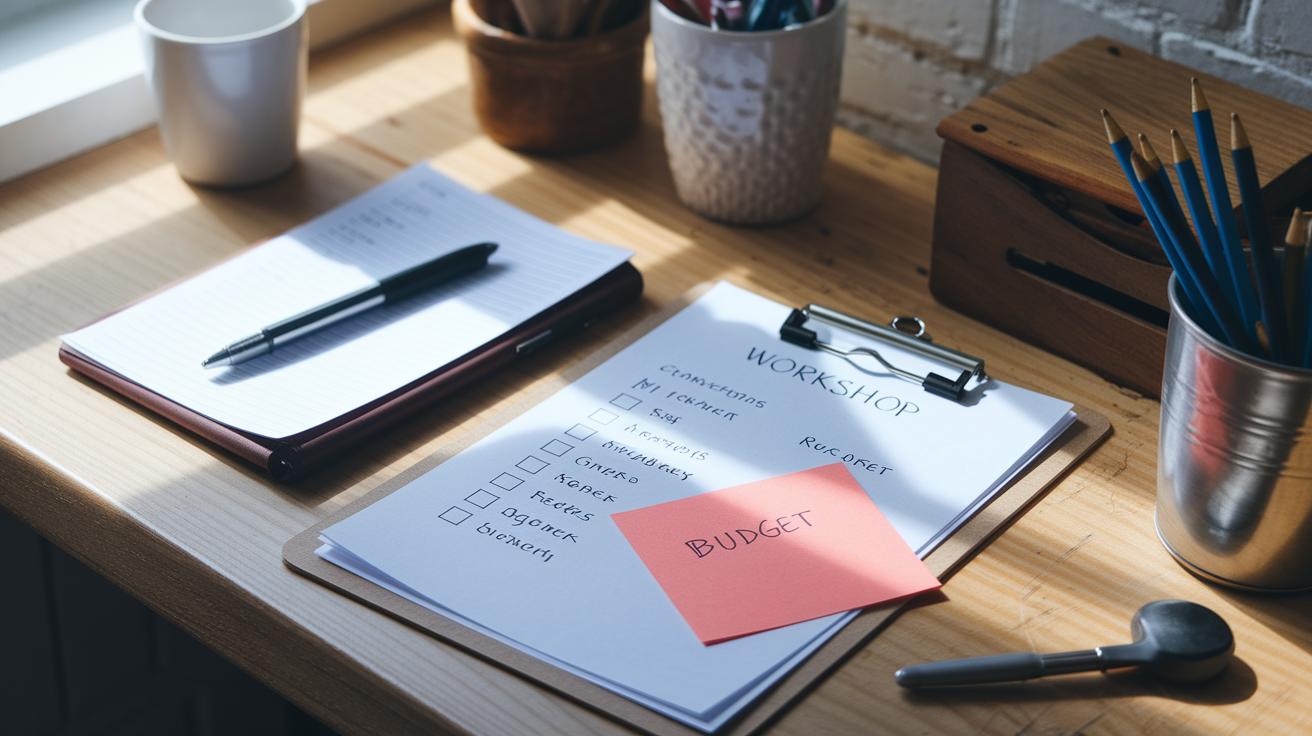
When time is short, a clear plan can make your weekend DIY project a success rather than a hassle. A smart, step-by-step plan helps you set clear goals and focus on essential tasks. Think of it as a mini blueprint made just for busy schedules.
Start by writing down what you want to achieve. Decide if you're updating a room or repairing an item. List every task needed, one step at a time. Rank these tasks so you work on the most important ones first. Also, jot down your budget and time estimates. For example, set a goal like "Install a new shelf by Sunday afternoon" to keep your work on track.
Make your project run smoothly by using a printable planning checklist. This handy guide takes you through every step, from gathering materials to finishing the job. Download the checklist here: DIY project planning checklist and use it to ensure you complete every key part of your project.
Defining Your Weekend DIY Project Scope

Brainstorming Project Ideas
Gather images and ideas from magazines, Pinterest, and home-improvement blogs. Build a mood board with these visuals so you can see different styles. List 3 to 5 ideas that catch your eye. For example, you might choose a project inspired by a vintage table, a modern shelf, or a refreshed garden bench. This method helps you compare ideas and pick one that fits your vision.
Evaluating Feasibility
Look over each idea and check the details. Estimate the hours needed and see if the project fits into your weekend schedule. Think about whether your skills match the work required; a simple repaint might be a better match than detailed carpentry. Check your tool collection, make sure you have or can borrow a drill, level, saw, or other needed tools. This review helps you avoid surprises and keeps the project realistic. Choose a project that challenges you while staying within your skill set and available time, setting you up for a rewarding DIY experience.
Creating a Timeline for Your Weekend DIY Project
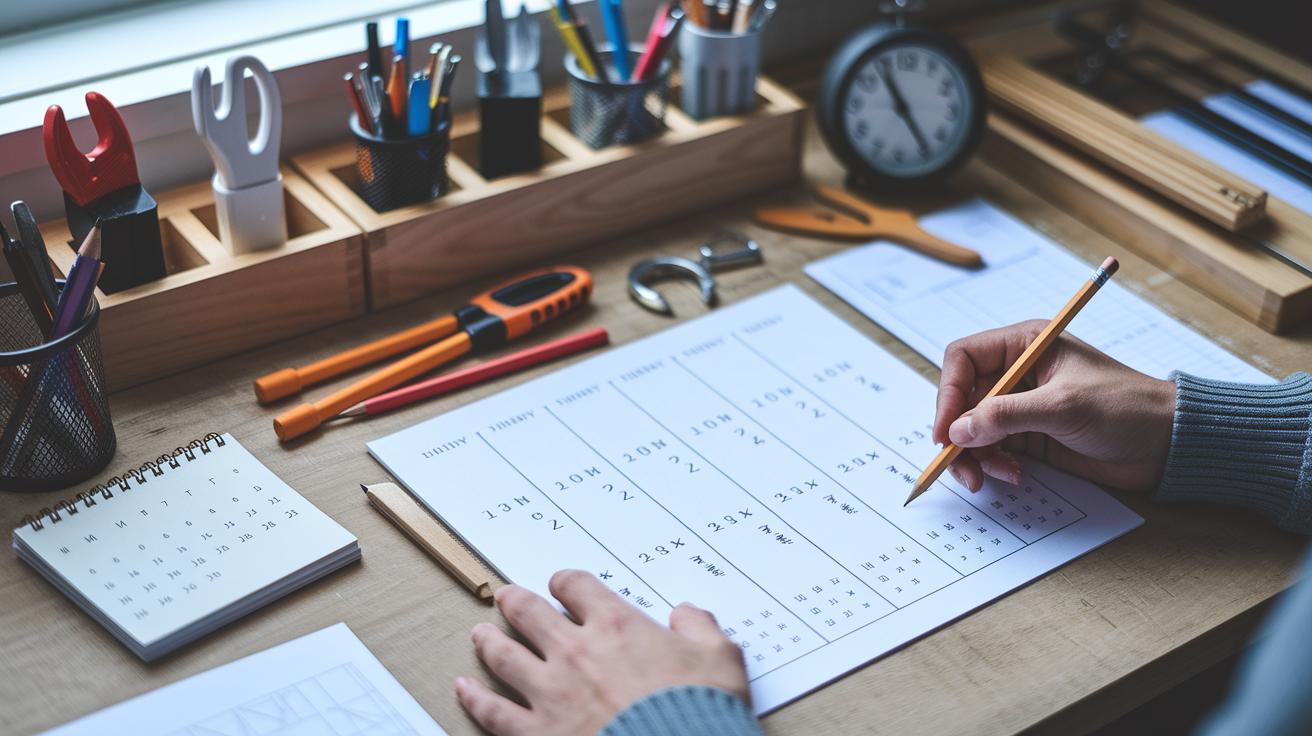
A clear timeline sets you up for a successful DIY weekend. Map out your tasks by the hour, and you can avoid surprises and stress. A simple plan keeps you on track and makes sure every part of the project gets its proper time. When you plan ahead, you can spot problems early and adjust your schedule to fit your time.
| Phase | Duration |
|---|---|
| Pre-Weekend Prep | 2–3 hours |
| Day 1 Morning | 3–4 hours |
| Day 1 Afternoon | 3–4 hours |
| Day 1 Evening | 1–2 hours |
| Day 2 Full Day | 6–8 hours |
Following your timeline is more than just watching the clock. Check off each step as you finish, and build in extra time for any delays. If assembling a shelf takes longer than you thought, you can move a less important task without messing up your day. Stick to your time blocks and enjoy the process. This approach turns a busy weekend into a series of simple, manageable steps.
Estimating Budget and Sourcing Materials for Weekend DIY Projects

A clear budget keeps your weekend project on track without surprises. Planning your costs ahead saves you time and helps you gather the right tools and supplies.
- List all the tasks you need to complete.
- Check local prices for each material.
- Factor in costs for any tool rentals or purchases.
- Set aside a reserve of 10-15% for unexpected expenses.
- Compare prices from at least two different suppliers.
- Record your spending every day.
- Review and update your budget before you start the next day.
These steps help you track your costs and source materials wisely. A solid cost plan means you can spend smartly while sticking to your budget. Don’t forget to update your plan as new expenses come up.
Download our DIY project budget template to simplify your cost management and carry on with your weekend project confidently: DIY project budget template
Selecting Tools and Preparing Your Weekend DIY Workspace
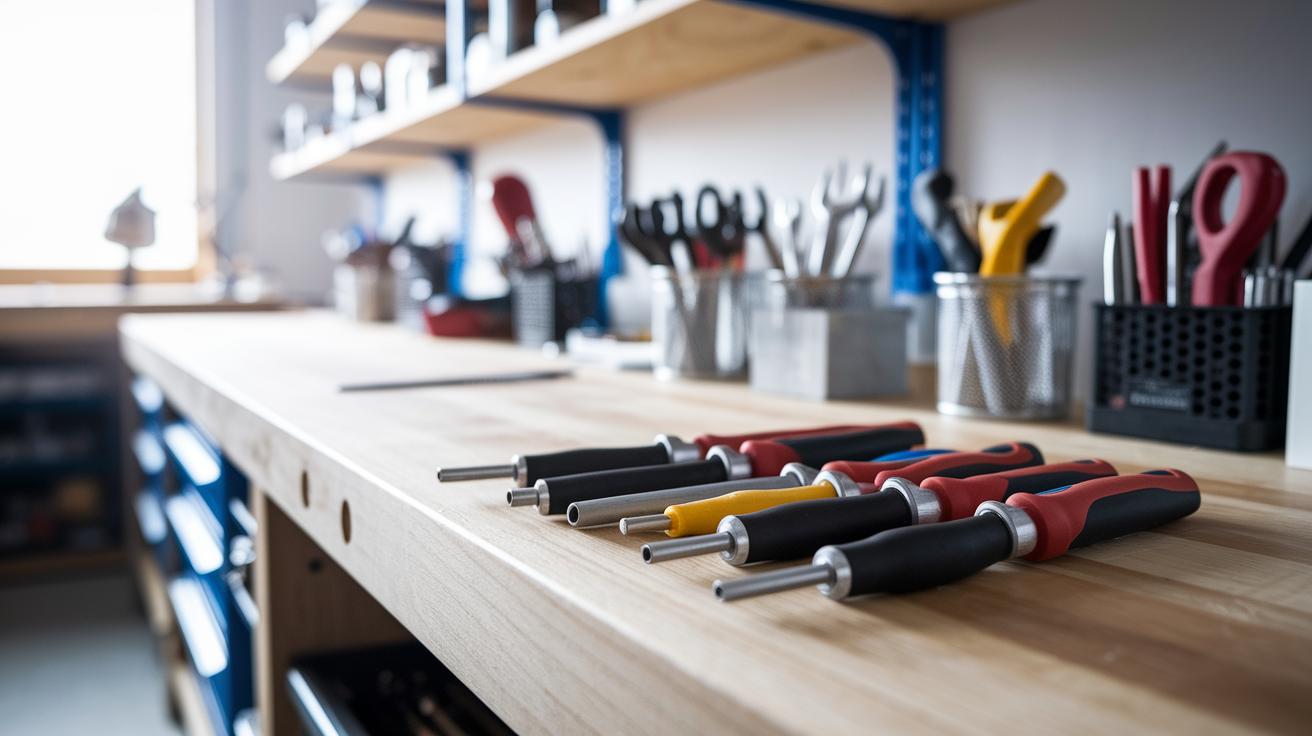
Start by choosing tools that meet the needs of your project. Look for tools that are built to last and match the scale of your work. For example, if you need to make precise cuts or take exact measurements, pick tools that are designed for accuracy and ease of use.
Clear out your space to create a neat, organized work area. Arrange your workbench so you have plenty of room and storage for your tools and materials. Make sure your workspace is well-lit so you can see small details, and check that the room has good airflow to keep the air fresh and reduce dust.
A simple toolkit of five items can jumpstart any project. Keep a tape measure, a power drill, an adjustable wrench, a level, and a pair of protective gloves within reach. These essentials help you work efficiently while keeping safety and precision in mind.
Ensuring Safety and Risk Management During Your Weekend DIY
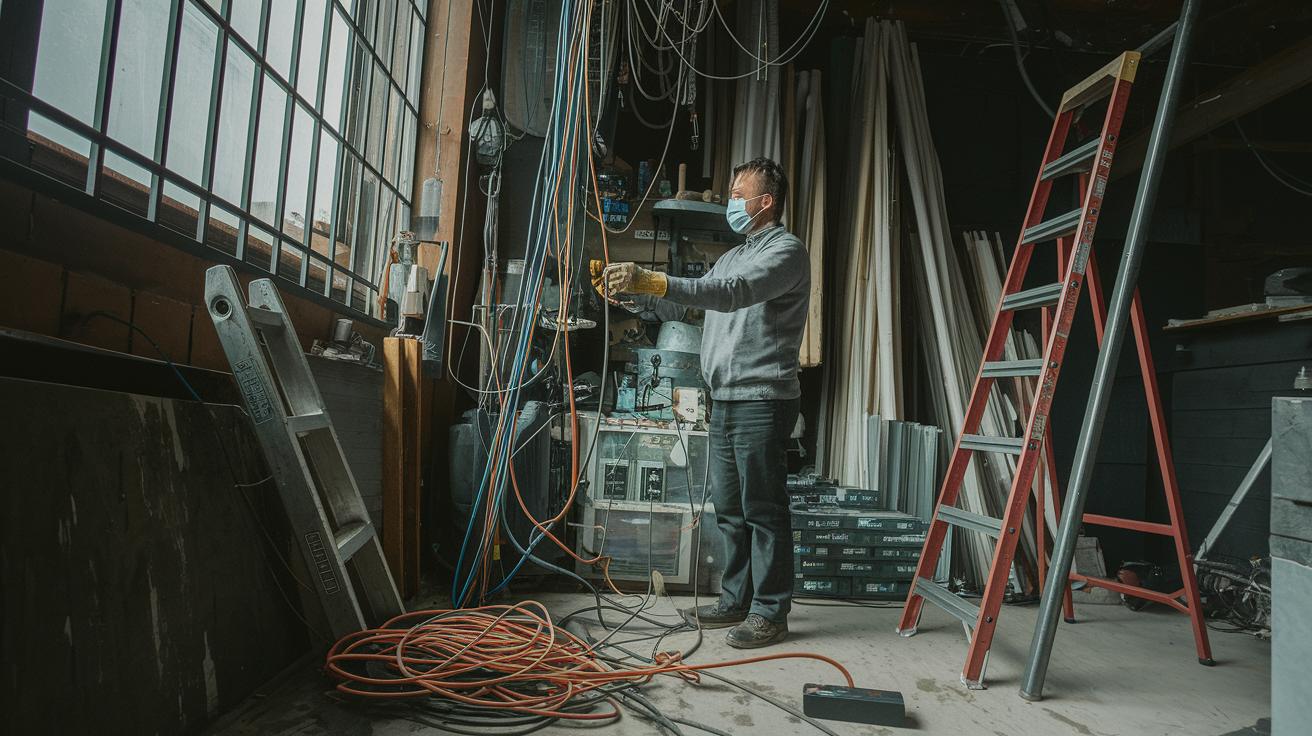
Before you start any DIY work on the weekend, take a moment to check for risks. Walk around your work area and look for trip hazards such as loose cords, clutter, or uneven floors. Also, spot any exposed wires or overloaded outlets. And if you are using products with chemicals, make sure there is plenty of ventilation. This check helps you avoid accidents and sets the stage for a safe project.
Always put on your safety gear. Wear gloves, goggles, and a mask to protect against cuts, flying debris, and harmful fumes. Place ladders on flat, stable ground and check your power tools for any damage before you use them. A careful review of your equipment ensures everything works correctly and keeps you safe.
Keep a well-stocked first-aid kit nearby. Make sure you have bandages, antiseptics, and burn cream ready, so you can handle any minor injuries quickly. Talk with everyone helping you about the risks and emergency procedures. Open, clear communication helps everyone stay alert and safe while you work together.
Troubleshooting Common Weekend DIY Project Challenges
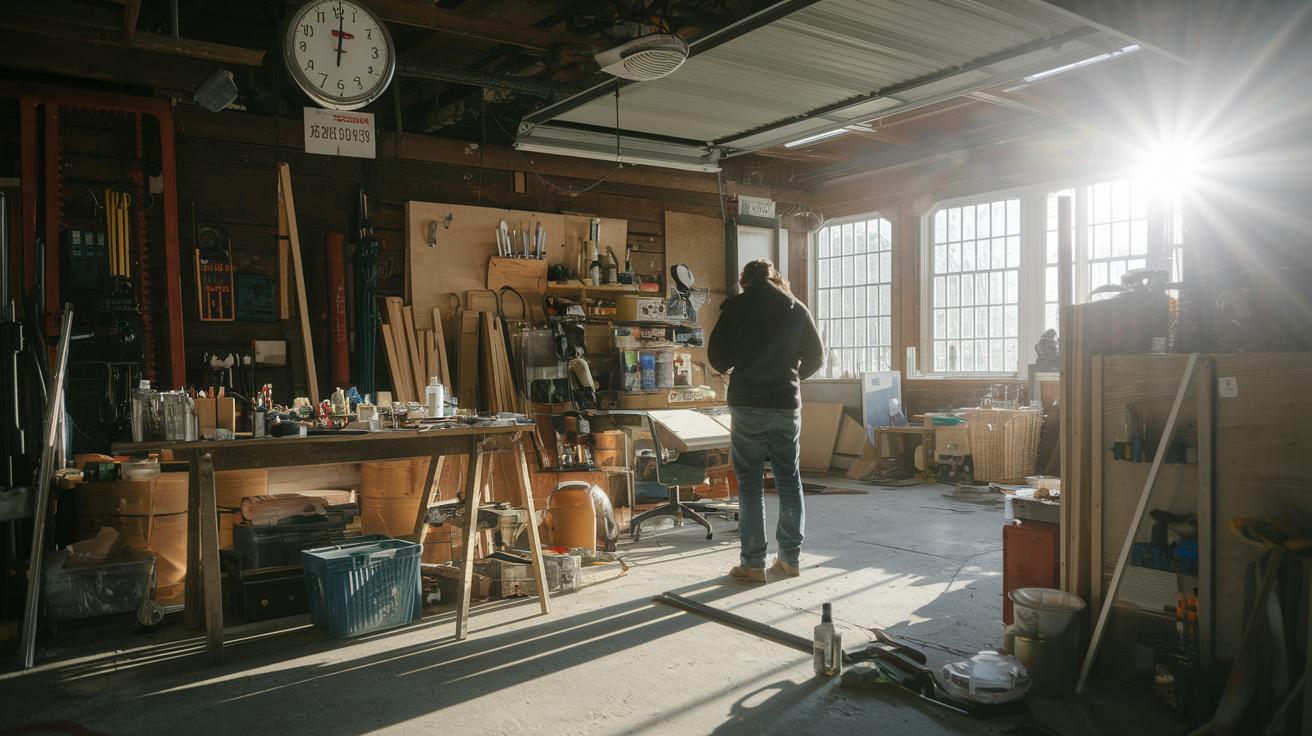
Weekend DIY projects often come with unexpected bumps. Even the best plans can run into delays or design tweaks. Being ready for these changes helps you adjust quickly and keep your project on track.
Handling Unexpected Delays
- Set aside extra time for every task. For example, if a step is planned for 30 minutes, plan for 40 minutes.
- When delays happen, focus first on the tasks that matter most.
- Consider temporary fixes like quick supports or fast-setting materials to maintain momentum.
A few small changes can help you overcome delays and stay on schedule.
Managing Design Changes
- Sometimes new ideas pop up or issues require you to change your design.
- Check if the new ideas improve your project before making changes.
- Adjust your budget for any extra materials or time needed.
- Talk with everyone involved so all of you stay on the same page.
Keep a close eye on quality while celebrating the small wins. This makes the project fun and gives you the energy to handle any challenge that comes up.
Final Words
in the action, we broke down the key steps for planning your weekend DIY project. We reviewed setting clear objectives, defining your scope, building a detailed timeline, and estimating costs. We also focused on choosing the right tools and ensuring a safe workspace. Every step helps you build confidence, avoid costly mistakes, and complete your project on schedule. Use these tips and resources to master how to plan a weekend DIY project and enjoy a smooth, successful experience.
FAQ
How to plan a weekend DIY project on a budget
When planning a weekend DIY project on a budget, you focus on setting clear priorities, researching affordable materials, and using free resources to create a step-by-step plan that minimizes costs.
How to plan a weekend DIY project for beginners
When planning a weekend DIY project for beginners, you choose simple projects, follow clear instructions, and use easy-to-handle tools to build skills and confidence without overwhelming complexity.
How to plan a weekend DIY project for adults and explore home improvement ideas
When planning a weekend DIY project for adults, you set defined objectives, schedule realistic tasks, and select quality tools to achieve effective home improvements while ensuring safety and satisfaction.
How to plan a weekend DIY project free
When planning a weekend DIY project free, you rely on accessible online guides, community checklists, and free templates to develop a clear roadmap that guides your project without extra expenses.
What are simple DIY projects for students
Simple DIY projects for students center on small-scale tasks that use inexpensive, readily available materials and basic tools, making it easy to learn new skills and personalize living spaces on a limited budget.