Have you ever wondered why many power tool accidents occur when you skip safety checks? If you're just starting with power tools, consider this checklist a friendly guide. We show you how to inspect your tools, put on the proper gear, and keep your work area free of distractions. With these clear tips, you'll build the confidence to complete your projects safely. Follow our guide and turn every power tool session into a secure and organized experience.
Essential Power Tool Safety Checklist for Beginners

Power tool safety starts with a few clear steps. This guide helps you work safely and confidently. Before you begin any project, take a moment to check your tool, wear your safety gear, and make sure your work area is free of distractions.
We have broken this guide into clear parts. It covers everything from wearing proper protective equipment to knowing what to do in an emergency. Using this checklist each time helps you set up for a safe and successful project.
- Wear the right personal protective equipment (PPE), like safety glasses and ear protection.
- Check your tool before you start. Look for any damage or loose parts.
- Read the manual and check any safety labels on the tool.
- Clear your work area and secure materials with clamps.
- Follow the safe operating steps for your tool.
- After using the tool, perform maintenance checks.
- Know the emergency stop procedures and what to do if something goes wrong.
Stick to these steps every time you work with power tools. With practice, this routine becomes second nature. Customize the list if needed, but never skip these core safety tips. This method turns a challenging task into a safe, organized process.
Protective Gear Essentials in Power Tool Safety for Beginners

When you start using power tools, wearing the right protective gear is key. Good gear helps keep you safe from flying debris, sparks, and tool slips. It lets you work confidently without worrying about common injuries.
Wear safety glasses rated to ANSI Z87.1. They protect your eyes from impacts. Use hearing protectors with an NRR of 25 or higher. This helps guard your ears from the loud noise of heavy equipment.
Wear cut-resistant gloves and a shop apron when grinding. They add a barrier between you and sharp or fast-moving parts. Use a well-fitted N95 dust mask to filter out fine dust from cutting and sanding.
Sturdy steel-toe boots protect your feet from heavy falling objects. They also provide good support as you work.
Here are five must-have items for your kit:
- ANSI Z87.1 safety eyewear
- NRR-25+ hearing protection
- Cut-resistant gloves and shop apron
- N95+ dust mask
- Steel-toe boots
Pre-use Inspections and Tool Inspection Guidelines for Beginners
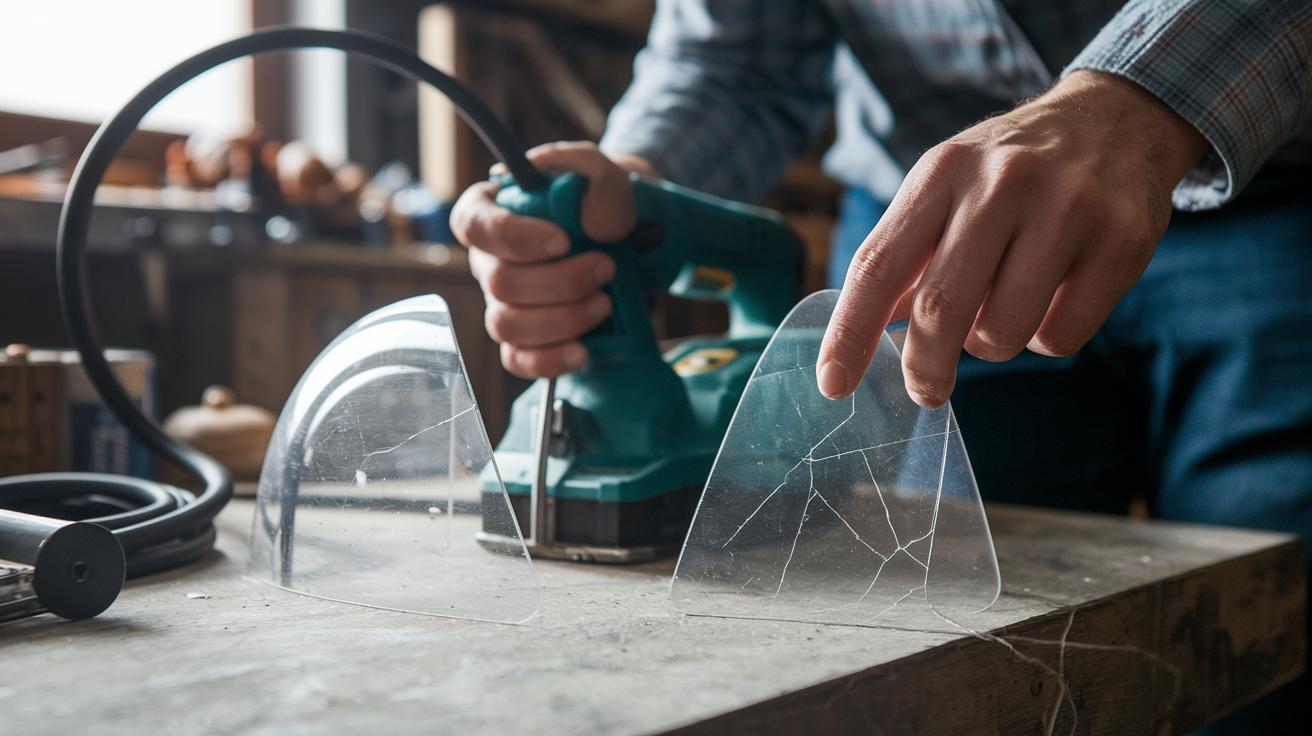
Before you start any tool, take a moment for a quick check. This short pause can save you from accidents or costly repairs. Regular inspections help you spot wear, cracks, or loose parts that might be hard to see at first.
-
Check the power cord and plug. Look carefully along the cord for frays, cuts, or any bare wiring. Make sure the plug is in good condition and the grounding prong is securely attached. Damaged electrical parts can lead to shorts or shocks, so a few extra minutes now can prevent problems later.
-
Inspect all safety guards and shields. Look over the tool’s body for any cracks or missing pieces. These guards protect you from moving parts and sharp edges. Confirm that each safeguard is properly installed before you begin your task.
-
Read the operator manuals and safety labels before use. These instructions explain how to use the tool safely, including emergency-stop features and maintenance tips. Following them ensures that every part works as it should and helps you avoid accidents.
Adopt this routine every time to build confidence in your work and keep your workspace safe.
Electrical Safety and Cord Management for Power Tool Beginners
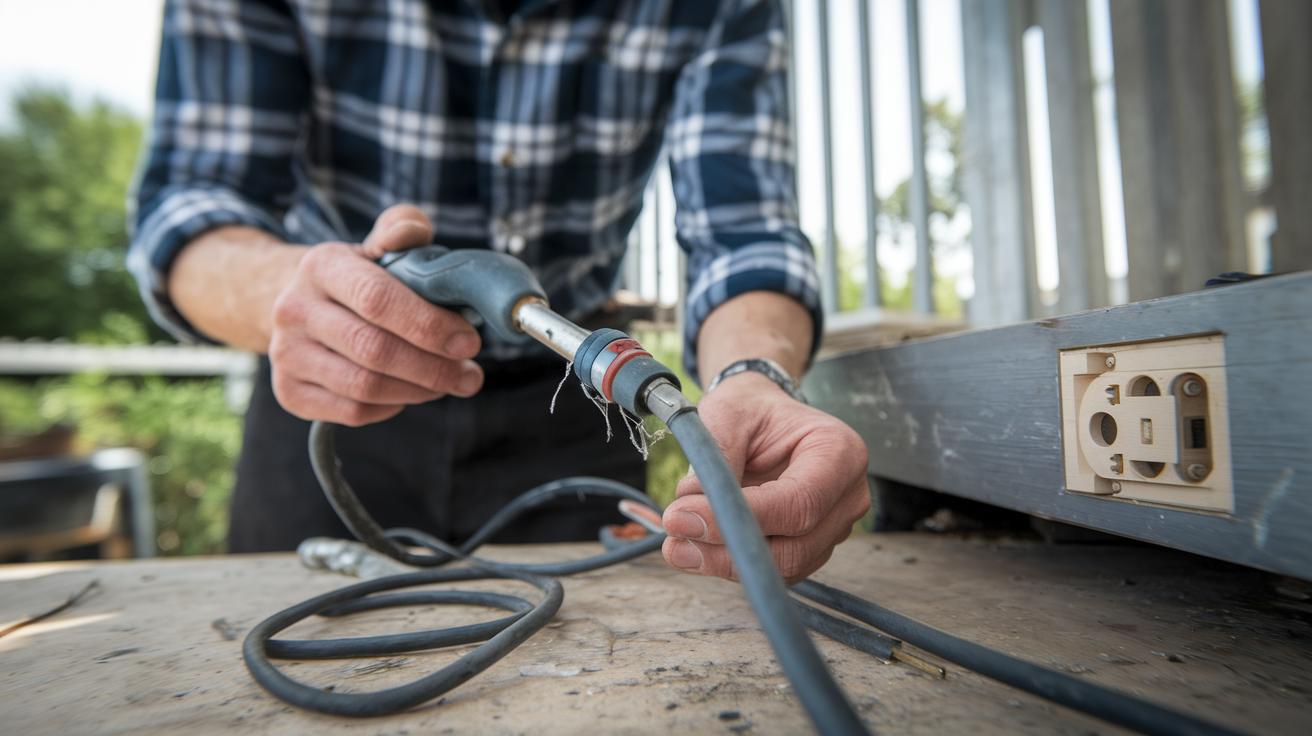
Electrical safety is very important when using power tools. Always check your cords, plugs, and ground prongs before starting any work. Even small problems like worn insulation or loose connections can lead to shocks or fires.
Before you power up a tool, inspect the entire cord closely. Look for cuts, frays, or exposed wires along its length. Make sure the grounding prong is secure. This simple check helps prevent dangerous electrical faults.
If you're working outdoors or in damp areas, use a GFCI (Ground-Fault Circuit Interrupter). A working GFCI will quickly cut the power if it detects a fault, reducing the risk of shock. Also, ensure that any extension cord you use is rated for your tool's amperage and safe for the environment.
Keep your cords organized by routing them away from sharp edges, heat sources, and busy walkways. Use clips or ties to secure them in place. Regularly check your cords for any damage to keep your workspace safe and free of electrical hazards.
Safe Equipment Operation Guidelines for Novice Power Tool Users: Stay Confident!

Using power tools safely starts with the right technique and focus. Follow these steps to help keep you stable, reduce risks, and make your work easier with tools like circular saws, drills, grinders, and nail guns.
Circular Saw Safety
- Stand to the left of the blade to lower the risk of sudden kickback.
- Check that the blade guard is in place and secure.
- Support the workpiece well so your cuts stay even.
Tip: Think of using a circular saw like handling a sharp kitchen knife. Keep your hands steady for a smooth, clean cut.
Drill Operation Safety
- Clear any debris from the vents and check that the chuck (the part that holds the drill bit) is tight.
- Use the right drill bit for your work material.
- Control the drill’s speed to match the material you’re drilling.
Tip: A clean vent helps the drill run cooler and safer.
Angle Grinder Precautions
- Always attach the grinder’s guard.
- Hold the grinder with both hands for a firm grip.
- Work so that sparks fly away from any flammable objects or your body.
Tip: Keeping a firm grip helps you control the tool during tough grinding jobs.
Nail Gun Safety
- Press the contact tip firmly against your work surface before firing.
- Keep your fingers clear of the trigger area.
- Always control the nail gun carefully to prevent accidental discharge.
Tip: A careful approach makes nail driving safe and consistent.
Power Tool Maintenance Routine for Beginners
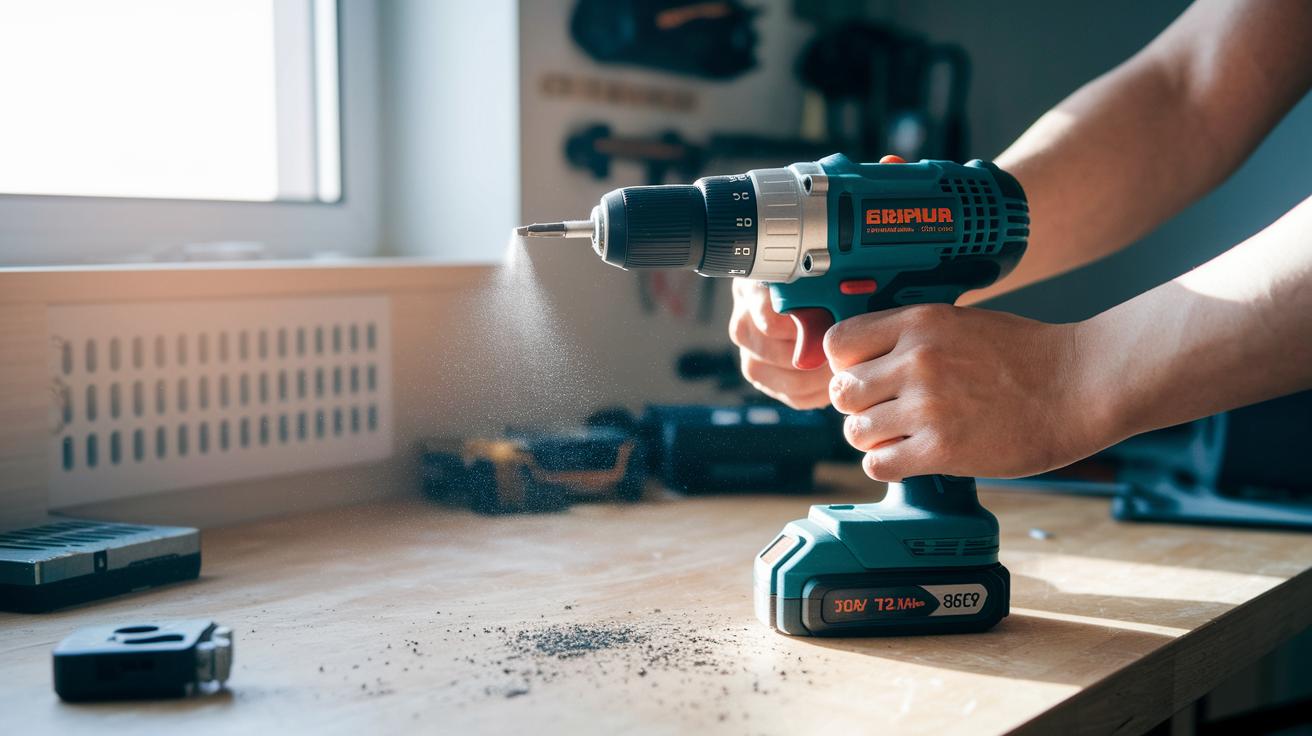
Every week, take a few minutes to check your power tools. First, clean the vents to get rid of dust and debris. Next, wipe down the tool’s body and lightly oil any moving parts. This simple routine helps prevent overheating and stops build-ups that can slow down your tools or cause extra wear.
Each month, spend a little extra time on your tools. Sharpen the blades, tighten loose screws or fasteners, and check the belts for proper tension and any signs of damage. You should also follow any calibration steps the manufacturer recommends. These steps keep your tools cutting smoothly and can reduce the risk of accidents.
For long-term care, keep an eye on the motor brushes, especially with brushed motors, check them after every 10 hours of use. Always store your tools in a dry, temperature-controlled space to avoid rust. Make sure you follow the manufacturer’s schedule for calibration and parts replacement. This regular upkeep keeps your tools safe and ready to work whenever you need them.
Emergency Stop Procedures and Accident Prevention Tips for Power Tool Safety

Before you begin work, find the power switch and know how to unplug the tool. Practice using the emergency stop so you can quickly disable the tool in dangerous moments. This simple routine helps manage risks and prevents damage or injury.
Report near misses to improve your safety plan. If you almost have an accident, jot down what happened and the conditions around it. Sharing these details helps you and your team learn and update your safety steps.
Keep walkways clear and mark areas where no one should stand when tools are active. Always have a first-aid kit and fire extinguisher nearby. These actions cut down on injury risks and limit damage if something goes wrong.
Record any accidents or tool malfunctions, no matter how small. Use these notes to adjust training or change procedures. Regularly reviewing these events keeps safety practices strong on every work site.
Final Words
In the action, this guide walks you through essential safety checks, from inspecting tools and wearing proper PPE to managing cords and following emergency stop procedures. Each step is designed to help you work confidently and safely while keeping costs and mistakes at bay.
By following the power tool safety checklist for beginners, you lay a solid foundation for every project. Stay consistent, embrace these easy steps, and enjoy a secure, rewarding DIY experience.
FAQ
Power tool safety checklist for beginners printable and PDF
The power tool safety checklist for beginners printable and PDF offers a free, ready-to-use guide with key steps such as PPE, pre-use inspection, and safe operating procedures to help you work confidently.
What are the five basic safety rules for power tools?
The five basic safety rules for power tools include wearing proper PPE, inspecting the tool before use, following the operator manual, maintaining a clear work area, and unplugging tools when not in use.
What are the 12 rules for the use of power tools?
The 12 rules for using power tools expand on basic safety by emphasizing proper PPE, routine inspections, adherence to manufacturer guidelines, maintaining a distraction-free environment, and using post-use maintenance checks.
What is a take 5 checklist?
The take 5 checklist is a quick, five-minute overview guiding you to check key safety aspects before using a power tool, ensuring you pause, plan, and protect yourself before starting work.
What are some basic considerations for power tool safety?
Basic considerations for power tool safety include personal protective equipment, thorough pre-use inspections, reading safety labels, clearing the work area, and following safe operating procedures for each tool.