Have you ever wondered how one small mistake with power tools can cause a big problem? Learn these simple safety tips made just for DIYers. Think of safety like following a favorite recipe, every step matters to get a great result. When you use the right techniques, your workshop stays safe and under control. With these clear guidelines, you can tackle every project with confidence and skill, knowing you're well-protected.
Essential Safety Tips for Power Tool Use by DIYers
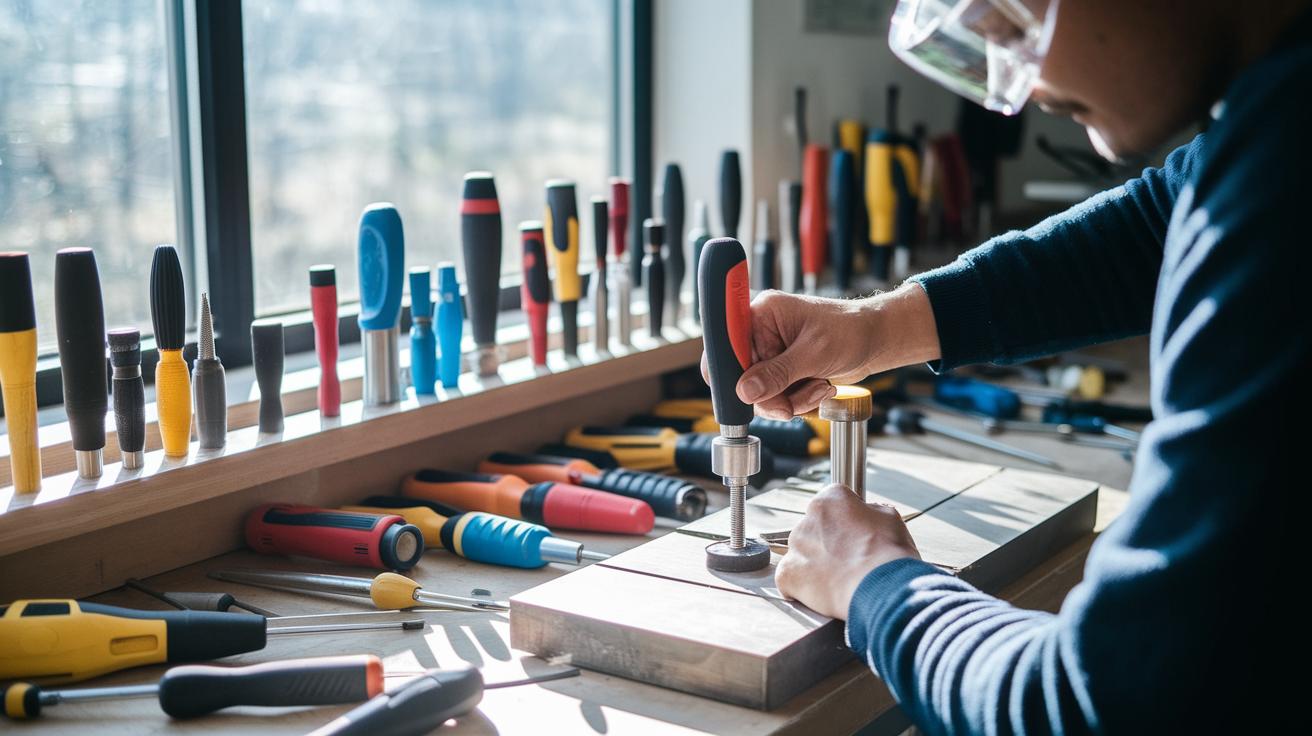
Following these tips will help you avoid many accidents while using power tools in your workshop. Read the manual every time you use a tool. It explains how to operate it correctly and points out extra safety features along with lubrication needs. Think of it like following a recipe, you need the right instructions to get the best results.
Keep your tools in good shape by checking them often. Always look at cords, blades, and guards for any sign of damage. Secure your workpiece using a clamp or a vise. This way, you can reduce the chance of a tool failing unexpectedly. When you need to change parts or accessories, unplug the tool or remove its battery to stop it from starting by accident.
- Read the instruction manual to know how the tool works and to learn about its safety features.
- Check cords, hoses, blades, bits, and bearings for damage before each use.
- Never remove or change safety guards; keep all anti-kickback features in place.
- Unplug the tool or remove batteries when changing parts or if you are not using it.
- Hold tools by the grip, not by cords or hoses.
- Work on a steady surface and secure your workpiece with a clamp or vise.
- Use only sharp blades, bits, and cutters to avoid forcing a dull accessory.
- Avoid using power tools in wet or poorly ventilated areas; make sure there is enough airflow.
Stick to these practices every time you work. A little bit of care goes a long way in keeping your projects safe and enjoyable.
Proper Personal Protective Equipment for Power Tool Safety

Wearing proper protective equipment (PPE) helps keep you safe when using power tools. PPE guards you against flying debris, loud noise, and harmful particles. It gives you the confidence to work on your projects while reducing the chance of injury.
- Safety glasses or goggles: Always put these on to protect your eyes from chips and sparks. Check for cracks and clean them before each use.
- Cut-resistant gloves: Use gloves built to resist cuts and lessen vibration when handling sharp or heavy tools.
- Hearing protection: Ear muffs or earplugs help reduce the noise from high-decibel tools like saws and grinders. Replace them if they no longer cushion well.
- Dust mask or respirator: Wear one when cutting wood or metal to protect your lungs from dust and chemicals. Make sure it fits snugly for good filtration.
- Face shield: Use this additional guard during grinding tasks. Check it regularly for scratches or damage.
- Apron or coveralls: Wear these to shield your clothing and skin from sparks or spills. Wash or replace them when they are dirty.
Tip: Always inspect your PPE for wear and tear before you begin any task. Replace any items that show damage to ensure you stay safe.
Pre-Use Inspection and Maintenance Checks for Power Tools
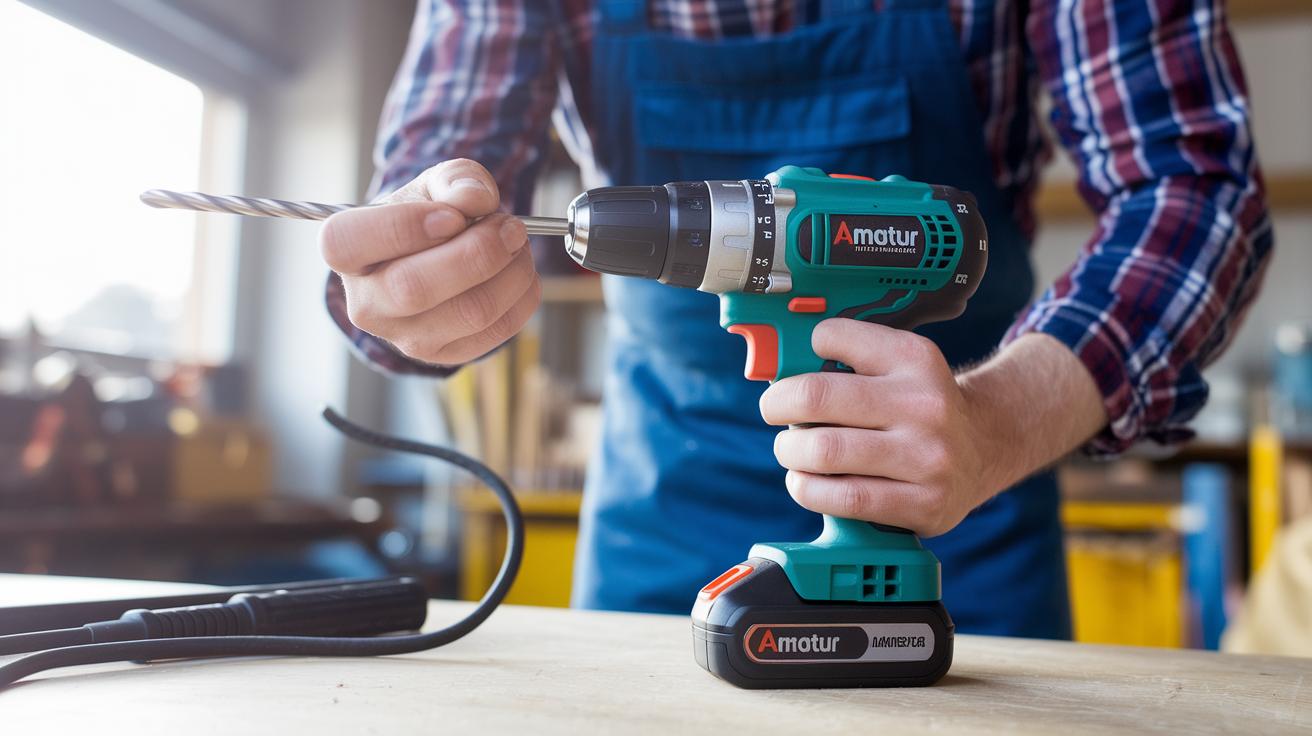
Regularly checking your power tools saves you time and money. Spending just a few minutes before each project can prevent breakdowns and keep you safe. Routine checks help your tools last longer and cut down on repair costs.
- Look over the tool's housing, cords, switches, and safety interlocks. Make sure there are no cracks, frayed wires, or rust.
- Test the two-stage triggers and safety switches. They should feel smooth and respond quickly.
- Apply the oil recommended by the manufacturer to bearings, gears, and moving parts.
- Clean off sawdust, metal shavings, and grease from vents and blades to keep everything clear and reduce fire risk.
- Check drill bits, blades, and cutters for dullness, chips, or bends. Replace them immediately if needed.
- Make sure all accessories are securely attached and working properly.
- Record each inspection date and maintenance task, and plan a full service every 3–6 months.
Keep a service log and set reminders to ensure you never miss an important maintenance step. Your tools will stay safe and perform at their best.
Safe Operation Practices for Common Power Tools
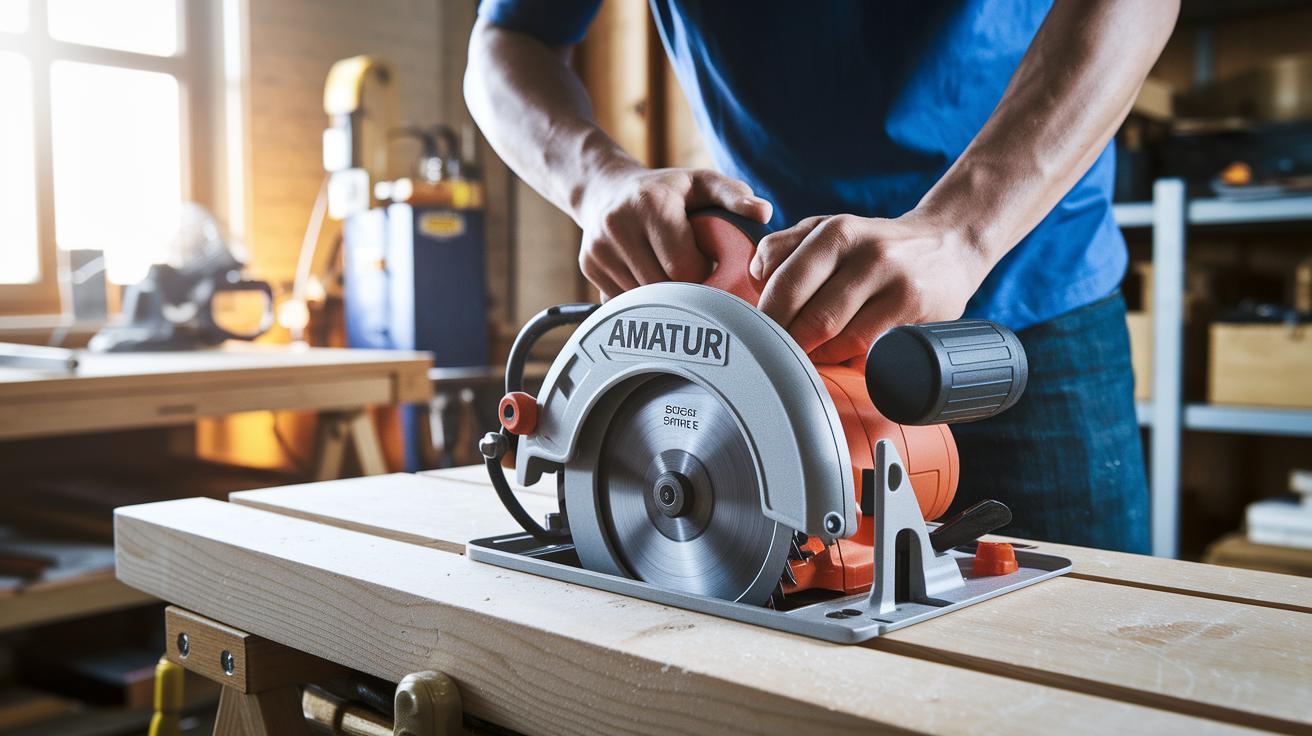
Every power tool needs careful handling. Using the right technique for each tool helps prevent accidents. Hold your tool firmly, stand with a balanced stance, and secure your workpiece before you start. Always follow the manufacturer's instructions, such as using the proper depth-stop settings and guard placements. This keeps you safe and your project on track.
Circular Saw Safety
Set up your circular saw correctly. Clamp your workpiece securely on a solid surface so you never have to hold small pieces by hand. Check that the blade guard is in place and the anti-kickback features are working. Follow the depth-stop settings as specified by the maker to avoid unexpected shifts while cutting. Always use both hands for a steady grip when making long cuts.
Handheld Drill Safety
Select the right drill bit for your job. Once the bit is secure, remove the chuck key promptly. Hold the drill with both hands and stand so your body is behind the line of pull. Grip the tool by its handle, not by the cord, to maintain maximum control. This reduces the chance of the drill shifting or slipping.
Jigsaw Best Practices
Choose the proper jigsaw blade for the material you are cutting. Adjust the speed setting to match your workpiece for smooth, steady cuts. Clamp the material firmly and stand with a secure footing. This stable setup helps lower the risk of kickback and lets you guide the jigsaw safely through curves and angles.
Angle Grinder Precautions
Fit the recommended guard on your angle grinder and use the provided side handles. Never use the wheel’s edge for cutting. Always be aware of where sparks fly and keep clear of their path. Hold the tool with both hands and make sure your work area is free of loose materials that might catch fire.
| Tool | Key Safety Practice |
|---|---|
| Circular Saw | Engage anti-kickback features; secure workpiece properly |
| Handheld Drill | Remove chuck key after bit is secure; hold with both hands |
| Jigsaw | Clamp material; adjust speed to match the job |
| Angle Grinder | Attach guard and side handles; stay clear of spark path |
Organizing Your Workshop for Safe Power Tool Use
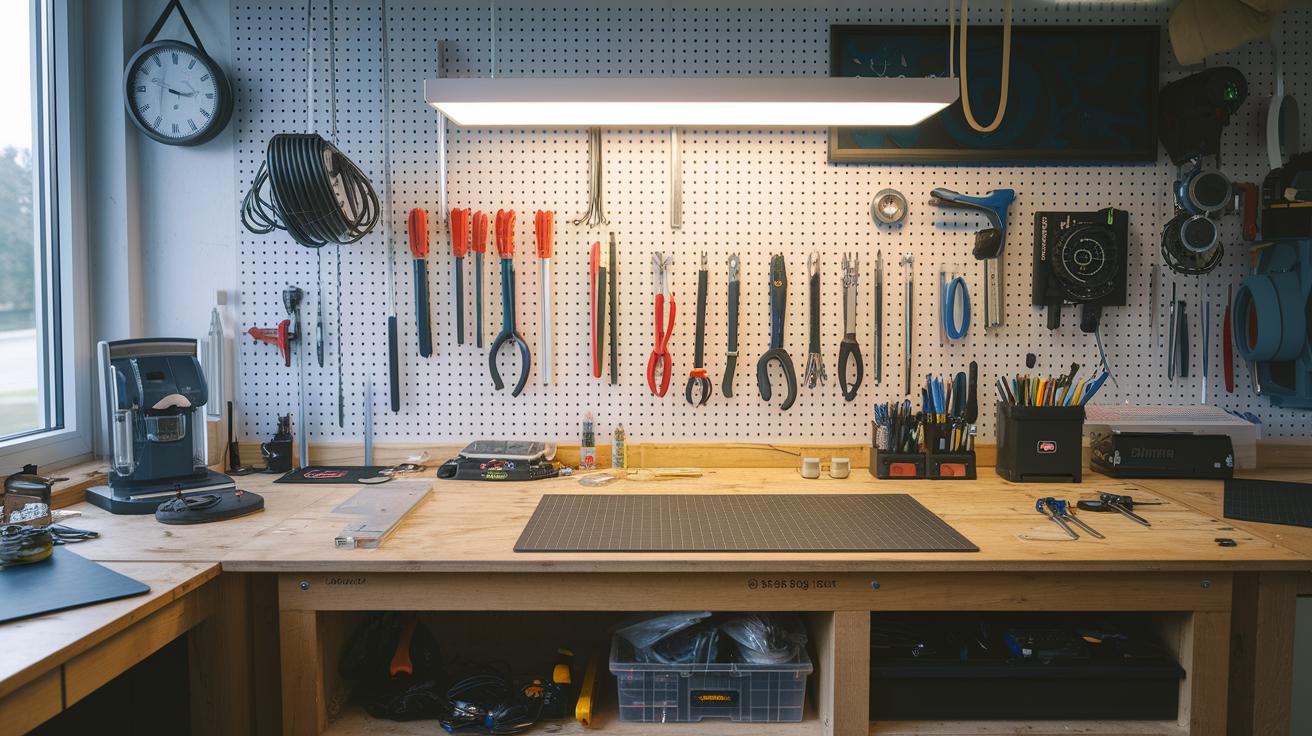
A tidy workspace cuts down on hazards and builds your confidence when using power tools. Messy floors, tangled cables, and poor air flow can cause accidents and slow you down. Reducing these risks helps you focus on your project without worry.
- Set up tools on a sturdy workbench or a dedicated stand so they don’t fall.
- Use retractable reels or cord-channel systems to keep cables off the floor.
- Install non-slip mats or choose textured flooring in busy areas to prevent slips.
- Add a dust collection system or a portable vacuum right near your cutting area to catch dust.
- Improve air flow by opening windows or using local exhaust fans when working with solvents or fine dust.
- Mark walkways and work zones with floor tape to clearly show safe paths and keep you from tripping.
Regularly check your workspace. Verify that cables are organized, tools are safely stored, and ventilation works well. This habit keeps your workshop safe and ready for the next project.
Emergency Preparedness and Hazard Prevention in DIY Power Tool Projects

Staying ready while using power tools in your workshop helps you work safely and with confidence. It means having the proper gear and being ready for surprises. Knowing what to do in an emergency keeps you and your workspace safe.
- Place a fire extinguisher that works on wood, electrical, and flammable liquid fires within 10 ft (3 m) of your work area.
- Check for hidden electrical lines with a stud finder that detects live wires before you drill or cut into walls.
- Keep a first-aid kit nearby with burn dressings and eye-wash solution for quick treatment of minor injuries.
- Mark circuit breakers and make sure you can quickly turn off the power when needed.
- Create an emergency plan that shows clear exit paths and lists local emergency numbers.
Practice your plan often and review it with everyone in your workspace to stay prepared and safe.
Final Words
In the action, you've learned how to inspect, maintain, and operate power tools safely. We walked through the basics of reading manuals, using proper protective gear, checking tools before each use, and setting up a safe workshop environment.
Small steps add up to big safety wins. Keeping a steady routine with our power tool safety tips for diyers can help prevent accidents and keep projects running smoothly. Enjoy your DIY work and remember: safety first for a confident, positive outcome.
FAQ
What are the best power tool safety tips for DIYers?
The best power tool safety tips for DIYers include reading the manuals, inspecting each tool before use, using proper safety gear, and working in a clear, stable area to prevent accidents.
What are the five basic safety rules for power tools?
The five basic safety rules for power tools are to read and follow instructions, inspect tools for damage, wear appropriate protective gear, secure workpieces, and disconnect power during adjustments.
What are 10 basic safety rules to follow when using power equipment?
The 10 basic safety rules for power equipment combine following manufacturer instructions, inspecting tools, keeping safety guards in place, wearing PPE, clamping workpieces firmly, avoiding water near electric tools, and maintaining a tidy work area.
What are 10 electrical safety tips for using power tools?
The 10 electrical safety tips for power tools include checking cords and outlets, ensuring proper grounding, avoiding wet conditions, unplugging before maintenance, using circuit protectors, and following each tool’s electrical safety guidelines.