Have you checked if your project safety gear is ready for anything? When you’re handling sharp tools, flying bits, or chemical splashes, using the right personal protective equipment (PPE) is key. Our handy PPE checklist gives you the lowdown on the workwear, gloves, glasses, and more you need to stay safe. Follow these tips so you can work on your project without worry. Let’s see how the right gear helps you build with confidence and enjoy safe projects every step of the way.
Comprehensive PPE Checklist for DIY Projects

DIY projects can put you at risk from flying chips, chemical splashes, and dust. We protect ourselves by wearing the right personal protective equipment (PPE). Following guidelines like OSHA Personal Protective Equipment Guidance helps you stay safe while you work. Using proper PPE lets you focus on your project with fewer worries.
- Fitted workwear
- Cut-resistant gloves
- Safety glasses
- Ear protection
- Disposable dust mask
- Reusable respirator
- Fire extinguisher
Each item on this list has a clear purpose. Fitted workwear, like overalls and long-sleeve shirts, stops loose fabric from getting caught in tools. Cut-resistant gloves keep your hands safe when handling sharp or heavy materials. Safety glasses with side shields and anti-fog features protect your eyes from debris and chemicals. For noisy jobs, ear protection, whether foam ear plugs for quick tasks or over-ear muffs for longer work, helps you keep your hearing safe. Disposable dust masks are best for short jobs like sanding, while a reusable respirator with N95-rated filters works well over extended projects. Finally, an ABC-rated fire extinguisher gives you extra security by helping you put out small fires immediately.
Hand, Eye, and Body Protection Essentials in DIY Tasks

Choose gloves that fit the job. Use disposable gloves when you work with chemicals like wood stains. They keep your skin safe from harsh substances. For heavy work, pick fabric gloves with a firm grip. And if you cut materials or work with heat, use gloves that resist cuts and high temperatures.
- For example, if you are working with sharp metal or plastic, cut-resistant gloves help keep your hands safe from cuts and snags.
Wear safety glasses that adjust for a snug fit. They protect your eyes from flying debris and chemical splashes. Look for glasses with side shields and an anti-fog coating. If you need prescription lenses, choose glasses that offer them too.
- For example, when you repair a surface in a humid space, safety glasses with anti-fog lenses let you see clearly throughout the project.
Wear well-fitted work clothes like long-sleeve shirts or overalls. This helps stop loose fabric from getting caught in moving parts. Keep your clothes tucked in to lower the risk of accidents such as tangles or burns when using power tools or handling hot items.
- For example, a snug work shirt stops your sleeves from interfering with tool operation, helping you stay safe and focused on the task.
Respiratory and Hearing Protection for DIY Safety
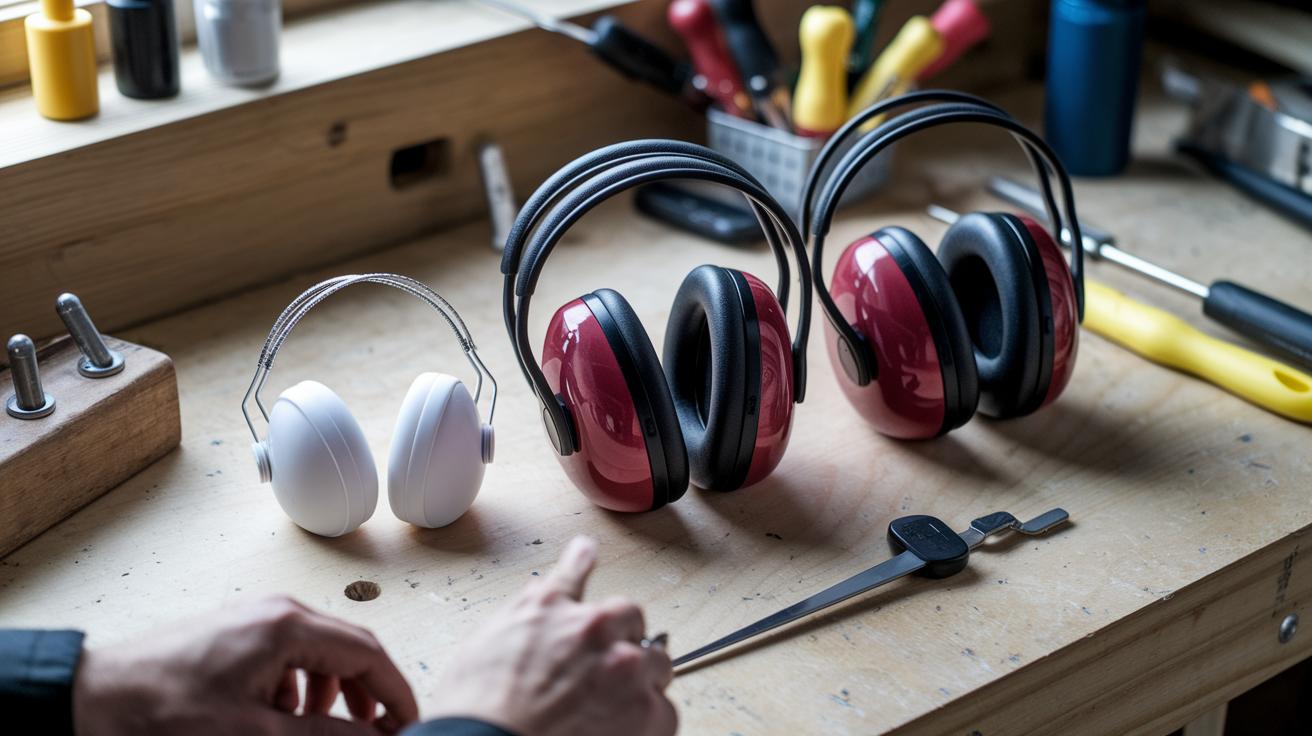
When you're working on DIY projects, add the right ear protection to your gear. Use foam ear plugs for short bursts of loud noise, wear over-ear muffs for longer noise exposure, and choose Bluetooth-enabled muffs when you need to talk while you work.
| Protection Type | Best Use |
|---|---|
| Foam Ear Plugs | Short, loud bursts |
| Over-ear Muffs | Long-term noise exposure |
| Bluetooth-enabled Muffs | When you need to communicate |
For breathing safety, include a disposable dust mask for light jobs like quick sanding. For work that produces a lot of dust or chemical vapors, use a reusable respirator with an N95 filter. Check the filter ratings and replace them as the maker suggests to keep you safe.
Headgear and Protective Clothing Guidelines for Renovations

Hard hats and safety helmets protect your head from falling or flying objects. Choose a helmet that meets ANSI Safety Helmet Standards (visit https://www.ansi.org/ for details) to be sure it gives solid impact protection. Your helmet should fit snugly and stay in place while you work. Look for models with adjustable straps and cushioned padding for extra comfort and security. This gear helps keep you safe from falling debris or bumps from moving equipment on busy renovation sites.
Flame-resistant workwear is a must when your tasks expose you to high heat or sparks, such as welding or electrical repairs. Materials like treated cotton or special synthetic fabrics lower the risk of burn injuries. This clothing is both tough and comfortable, allowing you to move freely while reducing fire hazards. For example, a flame-resistant long-sleeve shirt with matching work pants will help protect you from hot surfaces and sparks during repairs.
PPE checklist for DIY projects: Enjoy Safe Builds
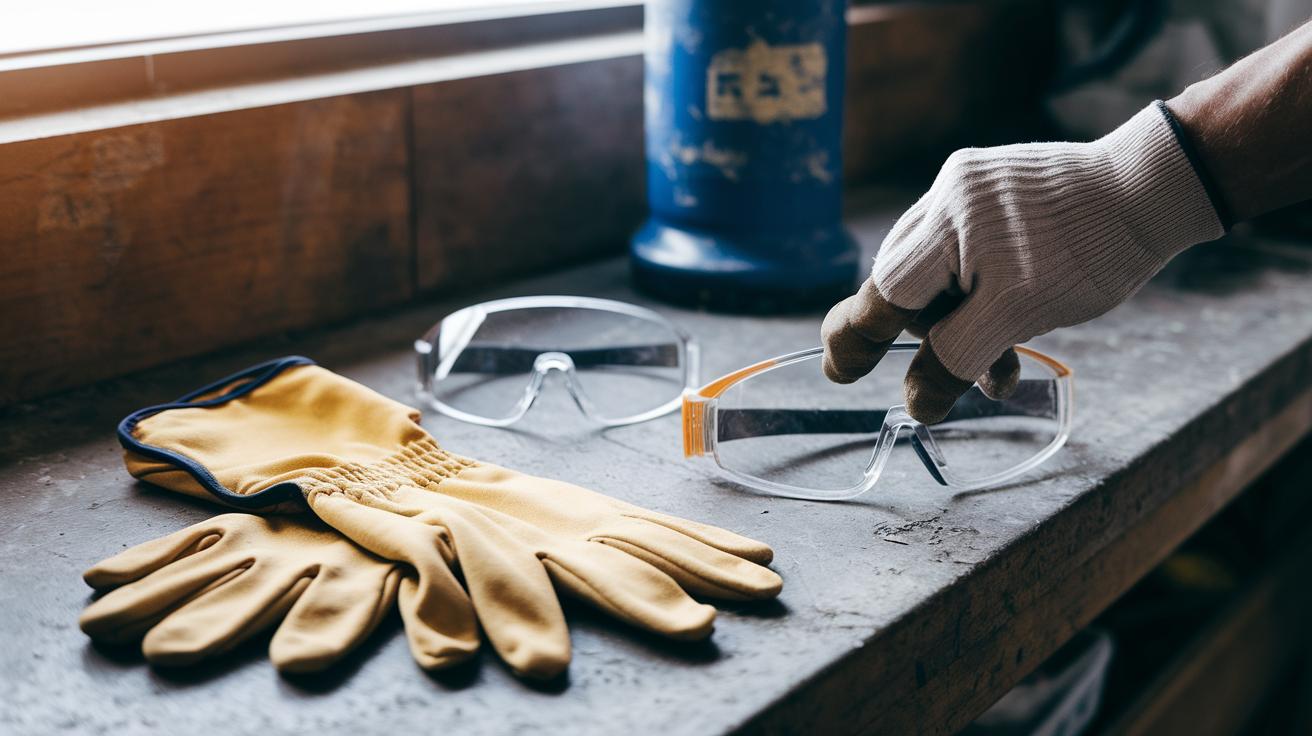
When starting a project, choose safe gear that lasts. Look for PPE made from strong materials and hold trusted safety labels. These labels show that the gear has passed strict tests and can handle repeated use.
Before you begin any job, do a quick check on your gear. First, inspect your gloves for rips or thinning. Next, make sure your safety glasses have snug straps and that no parts are loose. For respirators, look carefully for cracked parts or worn-out filters. Replace disposable masks after one use, and switch out your respirator filters as recommended by the maker, usually every month if you use them a lot.
For more tips, you can review the DIY project planning checklist here: https://alphapix.org?p=105
After you finish, clean your gear properly. Wash safety glasses, ear muffs, and other items with the cleaning agents the maker suggests. Dry them completely, then store them in a cool, dry place away from strong sunlight. Keep gloves and respirators in a spot where they won’t collect dust or get damaged.
Following these simple steps and using a regular maintenance checklist will ensure your PPE stays reliable and ready for every project.
Tailoring Your PPE Checklist for Specific DIY Projects

For painting projects, wear chemical-resistant gloves to protect your skin from solvents (liquid chemicals) and a quality respirator to filter out harmful fumes. This setup keeps you safe while you add color to your space.
For sanding tasks, put on safety glasses to block fine dust from getting into your eyes. Also, use a disposable dust mask that fits well over your nose and mouth to protect your lungs from tiny debris.
For woodworking, choose cut-resistant gloves to keep your hands safe. Add ear muffs to lower loud noise from tools and wear safety glasses to guard against flying wood chips. This combination protects your hands, ears, and eyes while you cut and shape wood.
For metal repairs, pick heat-resistant gloves to shield your hands from burns. Team these with a solid face shield to cover your face from sparks and small metal fragments. This gear is key to staying safe during hot metal work.
Final Words
In the action of gearing up for your DIY project, we covered everything from essential PPE basics to detailed guidance on hand, eye, respiratory, and head protection. You learned how to choose, inspect, and even tailor your safety gear for tasks like painting, sanding, woodworking, and metal repairs.
Remember, using a PPE checklist for DIY projects ensures you stay safe, work smart, and finish on schedule. Your next project is a step closer to success and safety.
FAQ
What is a printable PPE checklist for DIY projects?
The printable PPE checklist for DIY projects provides a ready-to-use guide listing essential safety gear. It helps ensure you have proper protection during various home improvement tasks.
Where can I find a free PPE checklist template or PDF for DIY projects?
The free PPE checklist template or PDF for DIY projects is available online. It offers an easy-to-print, editable list of required safety items to help you plan each project confidently.
What is included in woodworking PPE?
The concept of woodworking PPE includes safety glasses, cut-resistant gloves, ear protection, and a dust mask. These items help prevent injuries, reduce dust exposure, and ensure safe handling of tools during carpentry tasks.
How is personal protective equipment shown in carpentry drawings?
Personal protective equipment in carpentry drawings visually represents essential safety gear, like helmets, gloves, and safety glasses. This helps clarify which items to use and how to wear them for effective protection.