Are you new to welding and wondering about safety? With proper gear and clear safety steps, you can build confidence in every project. Welding can unlock creative rewards, but it also brings hazards like high heat, bright light, and noxious fumes. By understanding these risks and following proven safety methods, you protect yourself and gain skills one weld at a time.
This guide explains key safety rules and the essential protective gear you need. By using the right equipment and techniques, you can work safely and enjoy the full benefits of your welding journey.
Core Welding Safety Principles
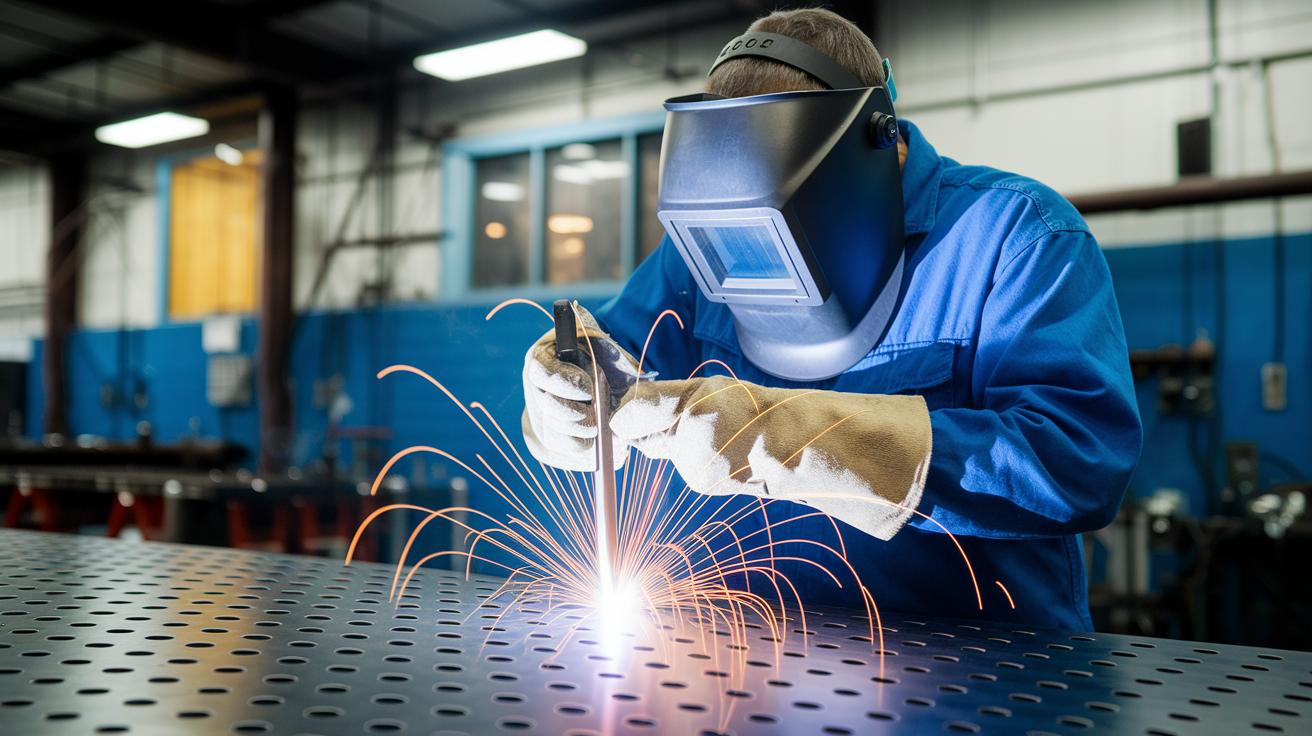
Welding is a rewarding skill, but safety comes first. If you're just starting, make sure you always use a safety-first mindset. Learning good safety habits will keep you protected and boost your confidence on every project. For hands-on practice, check out a beginner course like learn to weld.
Welding has several hazards you should know about:
- Intense heat that can burn you.
- Ultraviolet and infrared light that can harm your skin and eyes.
- Fumes from metal alloys that can be dangerous.
- Sparks and spatter that might cause burns, fires, or even explosions.
- Live electrical currents that can give you a shock.
Understanding these risks is the first step to working safely from day one.
Essential Protective Gear for Welding Safety Beginners
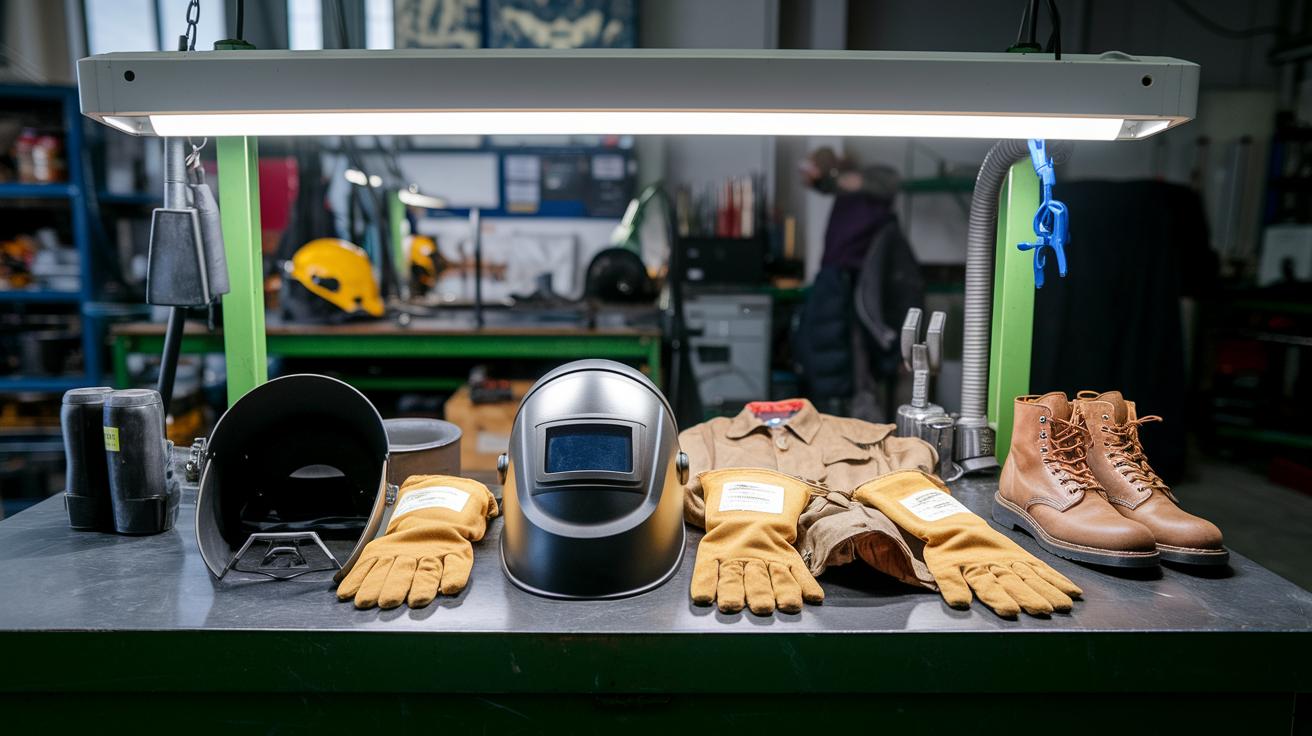
Welding safely starts with the right protective gear. Begin with an OSHA-approved welding helmet that has the correct lens shade to block harmful UV and infrared rays. Pair your helmet with ANSI Z87.1 safety glasses that include side shields to keep sparks and debris from reaching your eyes. Choose durable welding gloves, pigskin leather works well for MIG or stick welding, while lighter, more dexterous gloves suit TIG welding. These items defend you from burns and radiation and boost your confidence.
Wear a flame-resistant jacket or splash apron to keep hot sparks away from your skin. Protect your feet with steel-toed, high-top leather boots that guard against spills, spatter, and falling objects. You should also consider a fume respirator to filter out harmful gases and keep your lungs safe. Every piece of your gear plays a key role in reducing your exposure to heat, sparks, and toxic substances.
Here are six essential items to have on hand:
- OSHA-approved welding helmet with the proper lens shade
- ANSI Z87.1 safety glasses with side shields
- Durable welding gloves (pigskin leather for MIG/Stick or lighter gloves for TIG)
- Flame-resistant jacket or splash apron
- Steel-toed, high-top leather boots
- Fume respirator for filtering harmful gases
Regularly inspect your gear for wear or damage. Check that helmet visors are clear, safety glasses are scratch-free, and glove seams are intact. Clean and maintain your equipment after each session to ensure it’s always ready for your next welding project.
Prestart Inspection and Safe Workshop Setup for Beginners

Start your day with a careful check of your welding gear. Look over your power cables for worn insulation or loose wires. Check hoses for any leaks or cracks. Test the grounding connections with a multimeter if you need to be sure they are secure. Make sure all welding machines are off and that any exposed parts are covered with proper insulation. A quick daily check like this helps stop electrical shocks and equipment problems. Think of it like checking your bike tire for punctures, small fixes now can stop big issues later.
Set up your workspace to be safe and work-friendly. Keep the floor dry and clear by using dry plywood or rubber mats. Arrange gas cylinders and cables so that walkways stay open. Before you start any maintenance, follow lockout/tagout steps to keep everyone safe from accidental start-ups. Follow these key steps:
- Check power cables and hoses for any signs of damage.
- Test and secure all grounding connections.
- Keep floors dry and free of obstacles.
- Organize gas cylinders and secure any loose cables.
- Lock out/tag out before doing any repair work.
Regular checks and a neat work area help build a strong safety routine.
Identifying Common Welding Hazards for Beginners

Welding can be risky if you’re not careful. It exposes you to strong rays, flying sparks, harmful fumes, loud noise, and even electrical shock. Each of these threats can cause serious harm if not handled safely.
The welding arc shows off intense ultraviolet (UV) and infrared (IR) rays. These rays can burn your skin and damage your eyes in seconds. Sparks and hot metal droplets also fly around. They may burn you or even start a fire if they land on flammable items like oily rags.
Toxic gases such as CO₂, carbon monoxide (CO), argon, hydrogen fluoride, and nitrogen are also part of the mix. That’s why you should always work in a well-ventilated area. If ventilation is poor, use a personal respirator. Also, welding can generate noise levels from 85 to 120 dBA, making ear protection necessary. Electrical shocks are another concern. That’s why checking your welding tools for proper insulation and grounding is key.
| Hazard | Risk Rating | Preventive Measures |
|---|---|---|
| UV/IR Radiation Burns | Medium | Welding helmet, safety glasses, full face shield |
| Hot Sparks & Metal Spatter | High | Barrier screens, flame-resistant clothing, fire extinguishers |
| Toxic Fumes Inhalation | High | Proper ventilation, respirators, fume extractor |
| Noise Exposure | Medium | Hearing protection, noise dampening measures |
| Electrical Shock | High | Grounding checks, insulated tools, equipment inspections |
Safe Welding Practices and Protocols for Beginners

-
Read Manuals and Get Trained
Begin by reading your welding equipment manual closely. Taking a training class helps you learn safe methods and understand your machine better. Knowing your machine's settings and limits now can stop problems later. -
Wear Full Protective Gear
Put on all your safety gear before you start welding. This includes a welding helmet, safety glasses, flame-resistant clothes, and gloves. This gear protects you from harmful UV light, sparks, and hot metal droplets. Covering your skin lowers the risk of burns. -
Set the Right Amperage and Wire-Feed Speed
Adjust your machine to the correct amperage and wire-feed speed for your project. Using the right settings gives you strong welds and stops overheating or burn-through. A proper setup means safer work and better results. -
Clamp and Secure Your Work
Before welding, make sure your workpieces are securely clamped in place. A stable workpiece helps you get better joints and prevents accidental burns. Also, clear the area of any flammable materials to avoid fires. -
Do Daily Safety Checks
Check your personal protective gear and machine settings each day for any signs of wear or damage. Use your safety checklist and keep a good posture while working. This practice helps prevent strain injuries and keeps your workspace safe.
Ventilation, Fire Prevention, and Emergency Planning in Beginner Welding
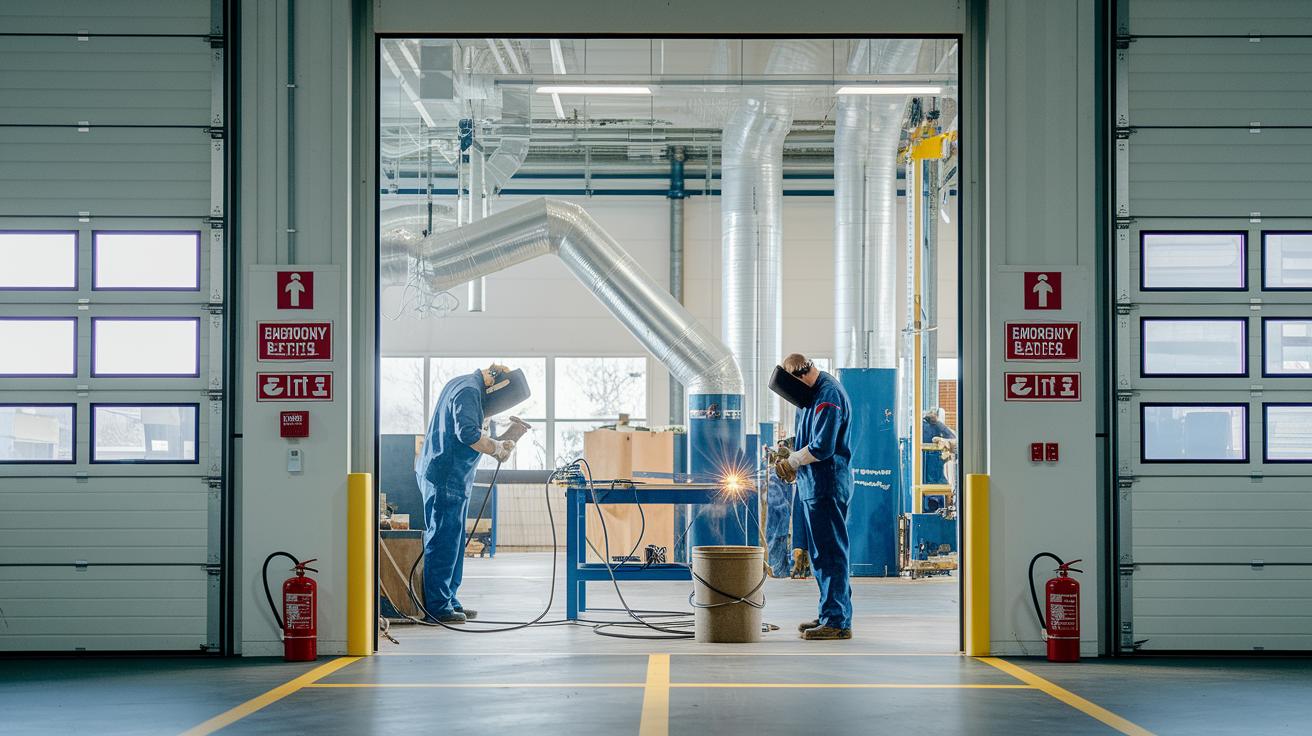
Make sure your welding area has plenty of fresh air. Open doors and windows or use an exhaust system so harmful gases like carbon dioxide (CO2) and carbon monoxide (CO) do not build up. In small spaces, wear a personal respirator (a mask that filters fumes) to protect your lungs. This keeps the air flowing and your work area comfortable.
Keep flammable items away from your welding spot. Store them safely in a different area. Always have a fire extinguisher and a bucket of sand nearby to tackle any small sparks or flames. Clearly mark all emergency exits and know the fastest way out. Regular fire drills help everyone stay ready and respond quickly.
Following these steps makes your welding space safer. Check your ventilation and equipment often, and practice your emergency plan so you are set if something unexpected happens.
Building Your Beginner Welding Safety Checklist

Start your day by checking that your welding area is safe. Make a list to review your gear and work space every day. Check that your personal protective equipment (PPE) is not damaged. Look over your tools, cables, and hoses to see if they show any wear. Also, examine your welding machine and ventilation to make sure they work well. This daily check helps you spot small issues before they turn into problems.
Set up a weekly routine for a deeper look at your tools and work area. Here are some steps to add to your checklist:
- Look at power cords, cables, and hoses for any damage.
- Check your welding helmet visor and safety glasses for clear visibility.
- Make sure your gloves, jacket, and boots are free from tears.
- Test your ventilation fans or extractor systems.
- Clean your work surfaces of any spills or clutter.
- Verify that your fire extinguisher is at the right pressure and in place.
Every month, go through a detailed safety audit and review any incident notes. This helps you improve your routine and keeps you safe every day.
Final Words
In the action, you learned core welding safety principles and explored the essential protective gear. You checked your workspace with a clear prestart routine and pinpointed hazards like heat, sparks, fumes, and electrical risks.
You now have a solid plan with safe practices, proper ventilation, and a reliable checklist to guide your work. Embracing welding safety for beginners helps you work with confidence and protects you on every project. Stay focused, work step by step, and enjoy safe progress.
FAQ
What does a welding safety for beginners PDF typically cover?
A welding safety for beginners PDF outlines core safety principles, proper protective gear, and hazard identification. It guides new welders through critical steps to prevent injuries and create a safe work environment.
What are the 10 welding safety rules?
The 10 welding safety rules include wearing proper PPE, performing daily equipment checks, ensuring adequate ventilation, keeping the workspace clear, following lockout/tagout procedures, and observing electrical and fire safeguards.
What basic welding safety precautions should beginners follow?
Basic welding safety precautions for beginners include using approved protective gear, inspecting equipment before work, maintaining a clutter-free work area, and being aware of hazards like heat, fumes, and sparks to prevent accidents.
What are the 7 hazards of welding?
The 7 hazards of welding include burns from high heat, exposure to UV/IR radiation, toxic fumes, sparks and metal spatter, electrical shock, noise-induced hearing loss, and risks from improper ventilation, each requiring specific controls.
What is considered the golden rule in welding?
The golden rule in welding is to always prioritize safety over speed. This means wearing the right PPE, following proper procedures, and constantly assessing the work area to avoid preventable hazards.
How does MIG welding safety benefit beginners?
MIG welding safety for beginners emphasizes using the correct equipment settings and protective gear to minimize risks, ensuring proper ventilation, and performing routine checks to keep both the welder and the workspace safe.