Have you ever wondered which is better for your work needs, a tool bag or a tool box? Many workers face this choice every day. A tool bag lets you grab your tools quickly, while a tool box keeps them neatly organized for tasks in the garage. In this guide, we compare the benefits of each so you can decide which one fits your busy day best.
Portable Tool Box vs Tool Bag: Quick Comparison to Guide Your Choice
Tool bags are made from canvas, leather, or heavy-duty polyester. They feature open-top pockets and flexible compartments that let you grab your tools quickly. This design is great for fast work and small spaces. Plus, they are light enough to carry easily from one site to the next.
Tool boxes, on the other hand, are usually made of sturdy plastic or metal. They come with built-in trays and compartments that work best in a fixed space like a workshop or garage. Even though some models have wheels for easier movement, their heavier build makes them more suited for stationary work.
| Feature | Tool Bag | Tool Box |
|---|---|---|
| Material | Canvas, Leather, Heavy-Duty Polyester | Plastic or Metal |
| Weight Capacity | 30–50 lbs | 40–60+ lbs |
| Accessibility | Flexible open-top for quick reach | Multiple compartments with trays |
| Portability | Ideal for mobile work | Suited for stationary use (may include wheels) |
If you often work on the go, a tool bag is likely the better choice. But if you spend most of your time in a workshop, a tool box will suit your needs. For home repairs, check out our best home tool kit for homeowners.
Ergonomic Hardware Organizer Study: Portability & Accessibility in Tool Bag vs Tool Box
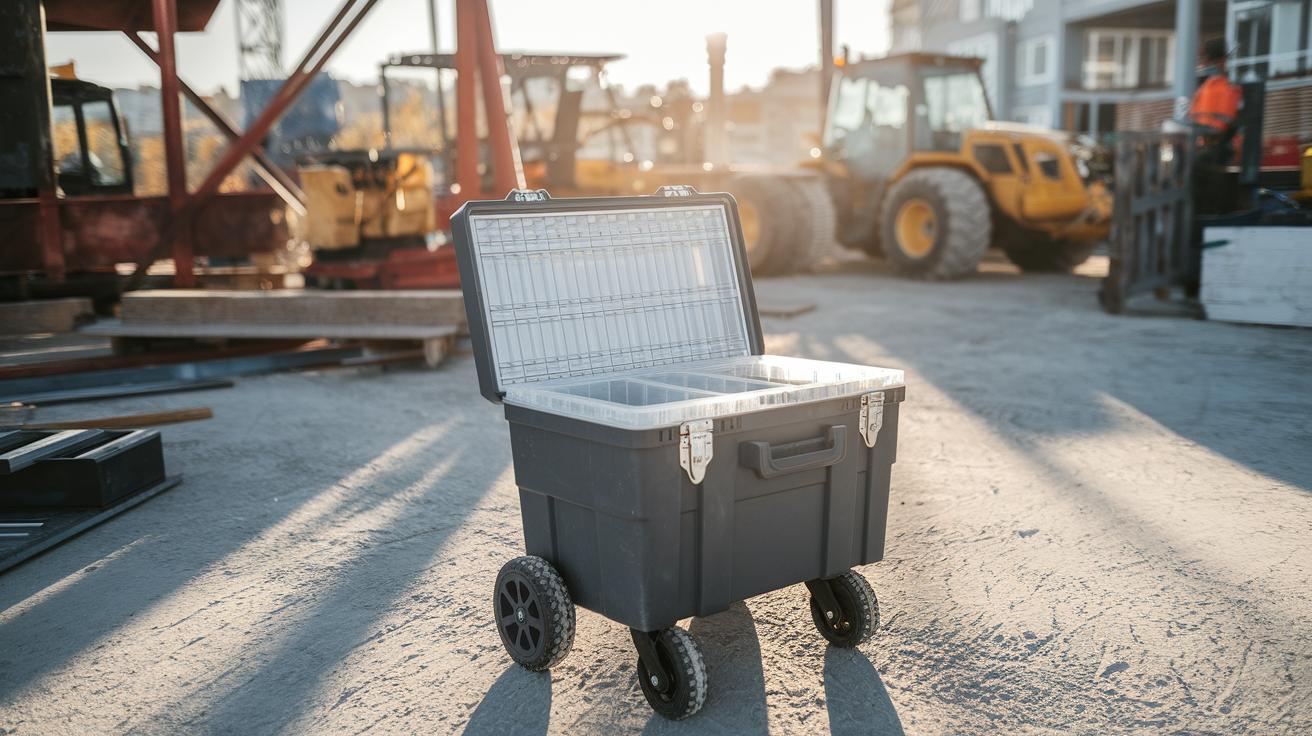
Tool bags come with built-in handles and shoulder straps. They are easy to carry, even in tight spaces or busy work sites. Their open-top design lets you grab a tool in one smooth move. It is as simple as opening a lunch box and picking out your favorite treat.
Tool boxes have molded handles and sometimes even wheels. They store your tools in clear compartments and trays. However, an empty toolbox can weigh 40–60 lbs (18–27 kg). This extra weight can change how it feels to move around on a crowded job site or bumpy ground. Opening a toolbox usually means lifting a lid and checking several trays, which can slow you down when every second counts.
When you work in small spaces like under a car hood or in a narrow hallway, a tool bag is a smart choice. It gives you quick access to your tools without the extra steps. But if you work mostly in a workshop with planned tasks, a toolbox is a better pick. Its secure compartments keep your tools organized and safe from rough conditions.
Many professionals mix both solutions. They keep essential tools in a bag for fast retrieval and use a toolbox for larger collections to get better structure and durability.
Storage Capacity Optimization Study: Organization Features in Tool Box vs Tool Bag
Tool boxes work like mini warehouses. Their deep compartments and removable trays let you set up storage just the way you need it. For example, one tray could hold screws, another drill bits, and a different section could store wrenches. This setup secures small parts while keeping your tools neatly arranged. Plus, you can switch out the trays to match the needs of your project.
Tool bags focus on quick access. They usually come with 10–20 pockets and optional dividers so you can sort your tools on the fly. If you're on a tight schedule, this design lets you grab a tool as fast as reaching into your coat pocket.
Overall, tool boxes are best when you need detailed storage setups, while tool bags are ideal for fast and flexible access.
Durability Factor in Carriers Assessment: Tool Box vs Tool Bag Material Comparison
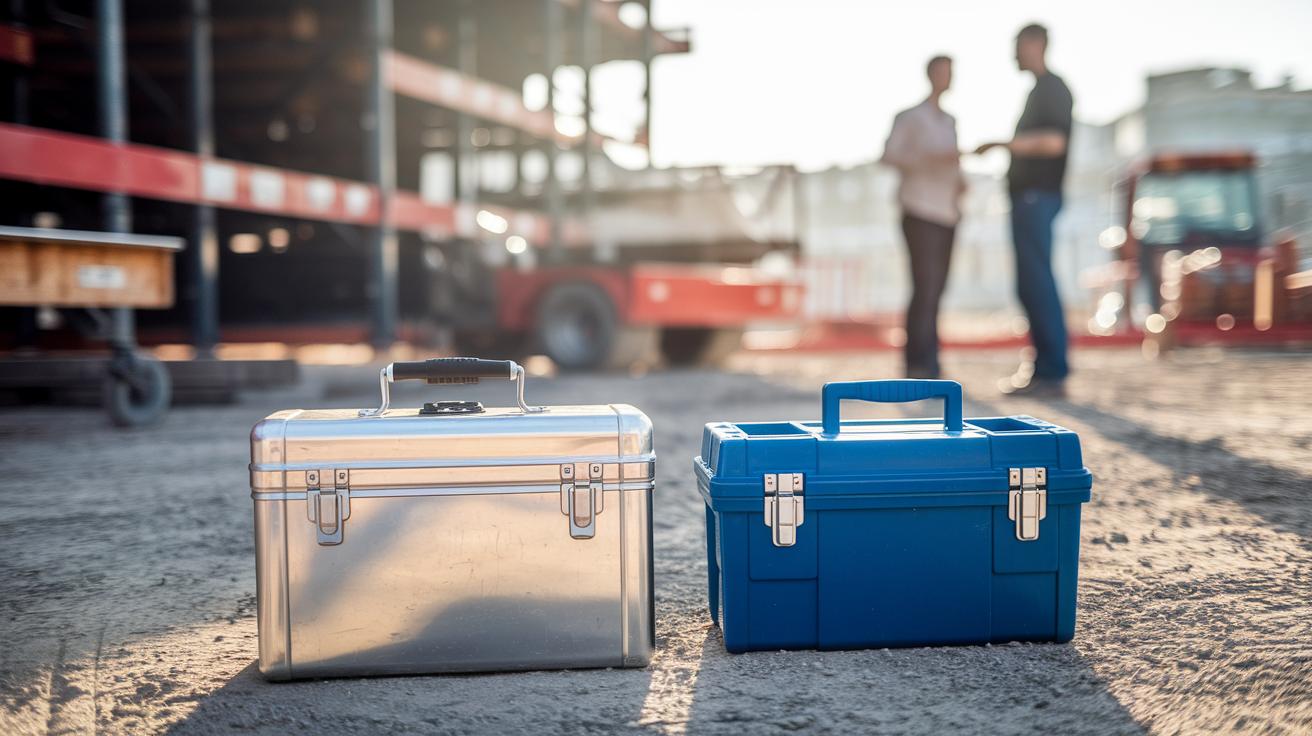
Metal tool boxes are very strong. They are made from steel or heavy metal, which helps them take big impacts and rough handling. They work well on construction sites, even when they get dropped or hit hard. Think of them as a tough, mobile safe for your tools.
Plastic tool boxes can resist moisture and chemicals, which helps prevent rust. However, if you put too many tools in them or use them a lot, they might crack under stress. They are best for jobs that don't involve extreme impacts.
Heavy-duty tool bags are built from tough polyester or leather. They are designed to be flexible and easy to carry on busy job sites. Although these bags are made to resist tearing, they can show signs of wear when dragged along rough surfaces. Imagine a leather bag that starts to show trimmed edges after months of use.
When choosing between these carriers, think about the conditions at your job site and how hard you will use the storage. Metal boxes offer solid strength, plastic boxes are good at fighting rust, and tool bags are lightweight and portable but can wear out gradually. Test them out on your job site to see which one holds up best over time.
Cost Versus Performance Analysis: Pricing Tool Bag vs Portable Tool Box
Entry-level tool bags cost around $20–$50. They work well for everyday tasks and fit budgets. Heavy-duty models can include modular inserts. These models cost about $60–$100 and add extra storage space as your tool collection grows.
Plastic tool boxes start at approximately $30. They offer a firm, structured way to organize your tools. For extra durability, consider steel tool boxes. These run between $80 and $200 or more. Although they cost more upfront, they often last longer and safeguard your heavy-duty tools, especially in rough work areas.
Think about your daily needs. A tool bag may provide quick access for mobile tasks. But if you work in a fixed spot and need secure, lasting storage, a tool box is a better match. The right tool solution should balance your budget with long-term durability and return on investment.
Activity-Specific Case Design Analysis: When to Choose a Tool Bag vs Tool Box
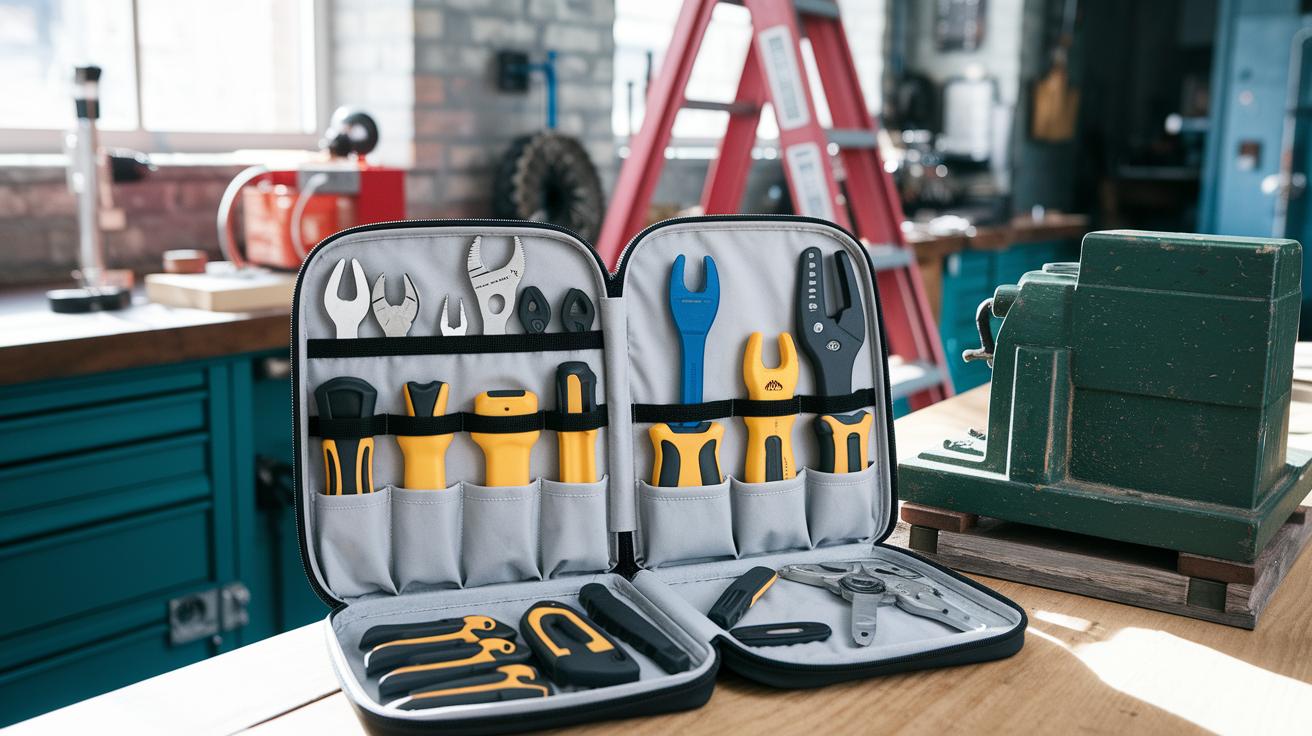
If you work as an electrician or field technician, speed and mobility are key. When you have a quick job, a tool bag is a great choice. Its small size makes it easy to use in tight spots, like behind machines or while climbing ladders. Think of it like opening a neat lunch box, every tool is right there when you need it.
Garage mechanics and carpenters often use many tools, from power-tool sets to small parts. A heavy-duty toolbox gives you the space and order you need. In a workshop, a toolbox with several compartments holds your tools safely and keeps things separate, such as power tools from fasteners and little pieces. For example, your drills, saws, and screwdrivers stay easy to find and use.
When you work in tight crawlspaces or on home repairs, a compact bag is the best pick. A small, portable bag lets you carry only your essential tools. It fits in a car trunk and can be tossed over your shoulder for quick access.
Many professionals use both options depending on the job:
- Carry your basic tools in a bag when on field calls.
- Keep a larger set of tools in a fixed toolbox at your shop.
For a repair in a narrow hallway or under a car hood, grab the tool bag. For organized workshop projects, choose the toolbox. Using both together helps you work faster and stay organized no matter the task.
Modular Work Kit Organizer Analysis: Combining Tool Bag and Portable Tool Box
A modular work kit combines the ease of a tool bag with the secure storage of a tool box. You can clip the tool bag on top of the box or attach it to the handle. That way, you quickly grab your tools while keeping a larger collection safe inside. Picture this: at the start of your workday, you attach your bag to your box. In seconds, you have the essentials ready. Later, when tasks demand more, you open the box to find all your specialty tools neatly sorted.
Both the bag and the box come with removable inserts. This lets you swap out key tools quickly between the two. It’s perfect if you shift between different job sites or move between your workshop and the field. You get a kit for daily needs and a secure box for tougher work. Overall, this setup adapts as your needs change and supports fast-paced projects while keeping your gear safe.
Final Words
In the action, you learned how tool bags and tool boxes each serve unique needs. Quick pocket access, lightweight design, and mobility favor tool bags while structured trays, higher capacity, and durability shine with tool boxes.
This guide offered side-by-side comparisons of storage, comfort, cost, and real-world uses. Use this info to decide on the portable tool box vs tool bag (what to choose) that fits your project needs. Stay positive and keep building confidently.
FAQ
What is the difference between a portable tool box and a tool bag, and which one should I choose?
The portable tool box offers structured compartments and greater weight capacity, while the tool bag is lighter with flexible pockets and quick access. Your choice depends on whether you need stationary organization or mobility.
How do tool boxes and tool bags compare overall?
Tool boxes provide organized storage with fixed trays and deep compartments, ideal for heavy, stationary use. In contrast, tool bags offer quick, mobile access with multiple pockets, making them excellent for on-the-go projects.
How does a portable tool bag compare to a tool roll?
A portable tool bag generally offers more pockets and better organization than a tool roll. Tool rolls often have a compact design but lack the flexibility and capacity that tool bags provide for quick tool retrieval.
How do tool bags compare with buckets or backpacks for storing tools?
Tool bags feature specialized pockets and adjustable straps, allowing easier access and better organization. Buckets or backpacks might carry tools, but they usually do not offer the dedicated compartments for quick, efficient tool retrieval.
What distinguishes the Bucket Boss Tool Bag from other tool storage options?
The Bucket Boss Tool Bag stands out for its durable design and bucket-style storage, which combines easy access with robust construction suitable for demanding job sites.