Have you noticed that the fresh scent of paint can sometimes hide hidden risks? When you work with paint, stain, or solvents, you handle chemicals that may affect your health. Even a small mistake might release harmful vapors, such as VOCs (volatile organic compounds), which can cause headaches or make it hard to breathe.
This guide covers the safety steps you need. We explain how to improve ventilation (open windows or use a fan), wear protective gear (gloves, masks), and handle materials carefully.
Keep reading to learn how to control these hidden hazards and work safely.
Comprehensive Safety Essentials for Paint, Stain, and Solvent Chemicals

The paint and coatings field is huge and important. The global market fell from $162 billion in 2019 to $107 billion in 2020. Experts expect it to climb back past $165 billion by 2023 and reach about $207 billion by 2028. In the U.S., roughly 155,000 people work with paints and coatings, and the industry grows at about 7% each year. This busy work shows why knowing chemical risks matters in daily projects.
Paints, stains, and coatings mix different chemicals including volatile organic compounds (VOCs) and other substances that can be harmful. Although most lead-based products are no longer used, VOCs remain a concern. Fresh finishes give off the most VOCs, making that the critical time for taking care.
Exposure to these chemicals can cause immediate problems like red eyes, headaches, and trouble breathing. Over time, repeated exposure might lead to lasting lung issues, nerve problems, and even cancer from some carcinogens. That is why it is so important to use proper safety measures. Always check your work area, use good ventilation, and wear the right protective gear such as gloves and masks. Follow these tips to lower your risk and work safely.
Recognizing and Mitigating VOC Hazards in Paint, Stain, and Solvents
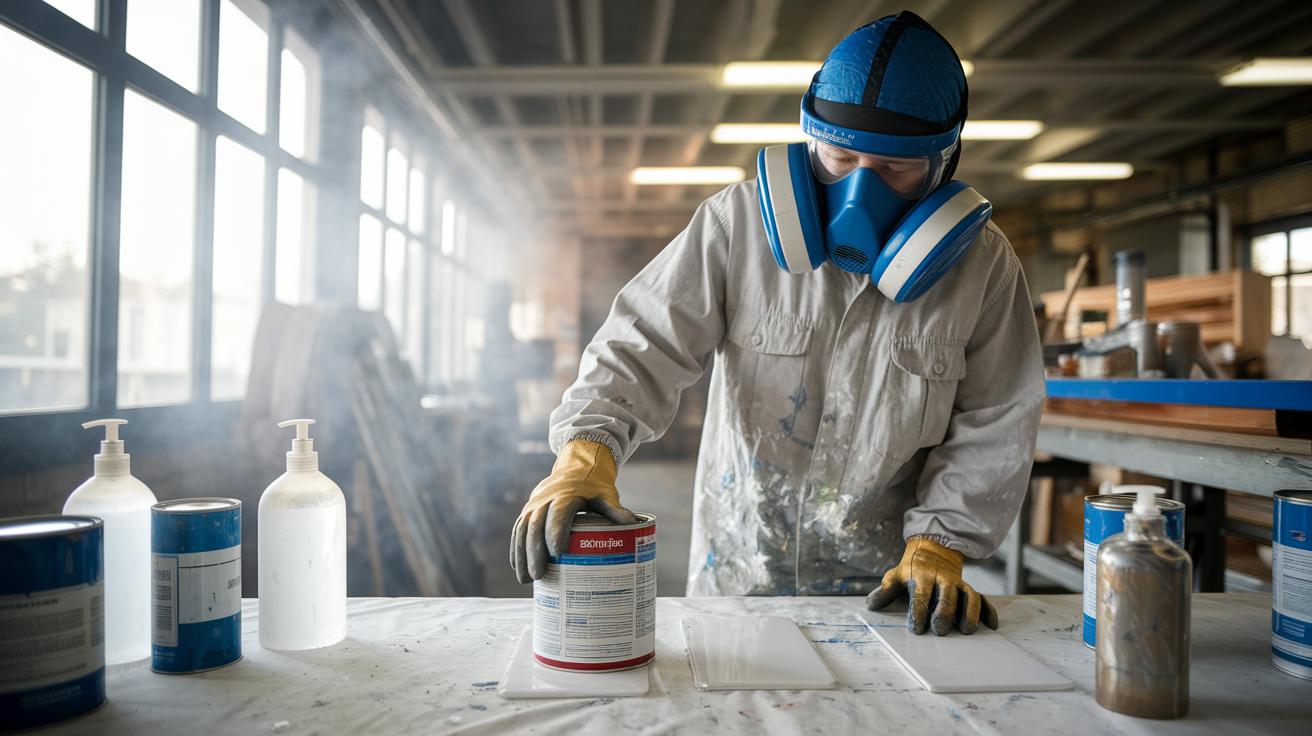
VOCs are chemicals that easily turn into gas when you work with paint, stain, or solvents. They include substances like toluene, xylene, benzene, and halogenated solvents such as methylene chloride, perchloroethylene, and trichloroethylene. These chemicals can make you feel unwell right away, causing headaches, dizziness, memory loss, coughing, trouble breathing, and skin or eye irritation. Over time, too much exposure might lead to serious problems like cancer, damage to your liver and kidneys, and issues with reproduction.
| Chemical Class | Common Chemicals | Health Effects |
|---|---|---|
| Aromatic Hydrocarbons | Toluene, Xylene, Benzene | Headaches, dizziness, long-term neurological damage |
| Halogenated Solvents | Methylene chloride, Perchloroethylene, Trichloroethylene | Respiratory issues, liver/kidney damage, potential carcinogens |
| Other VOCs | Various additives | Eye irritation, coughing, short-term breathing difficulties |
Knowing about these chemical classes can help you pick safer products and work methods. For instance, if you see that aromatic hydrocarbons can harm your brain or that halogenated solvents may damage your organs, you will be more careful when reading labels. Choosing products with lower VOC levels and ensuring you have good ventilation are simple ways to reduce your risk. This helps keep the air you breathe safer and lowers the chance of fire or other hazards while you work.
Personal Protective Equipment for Chemical Safety with Paint, Stain, and Solvents
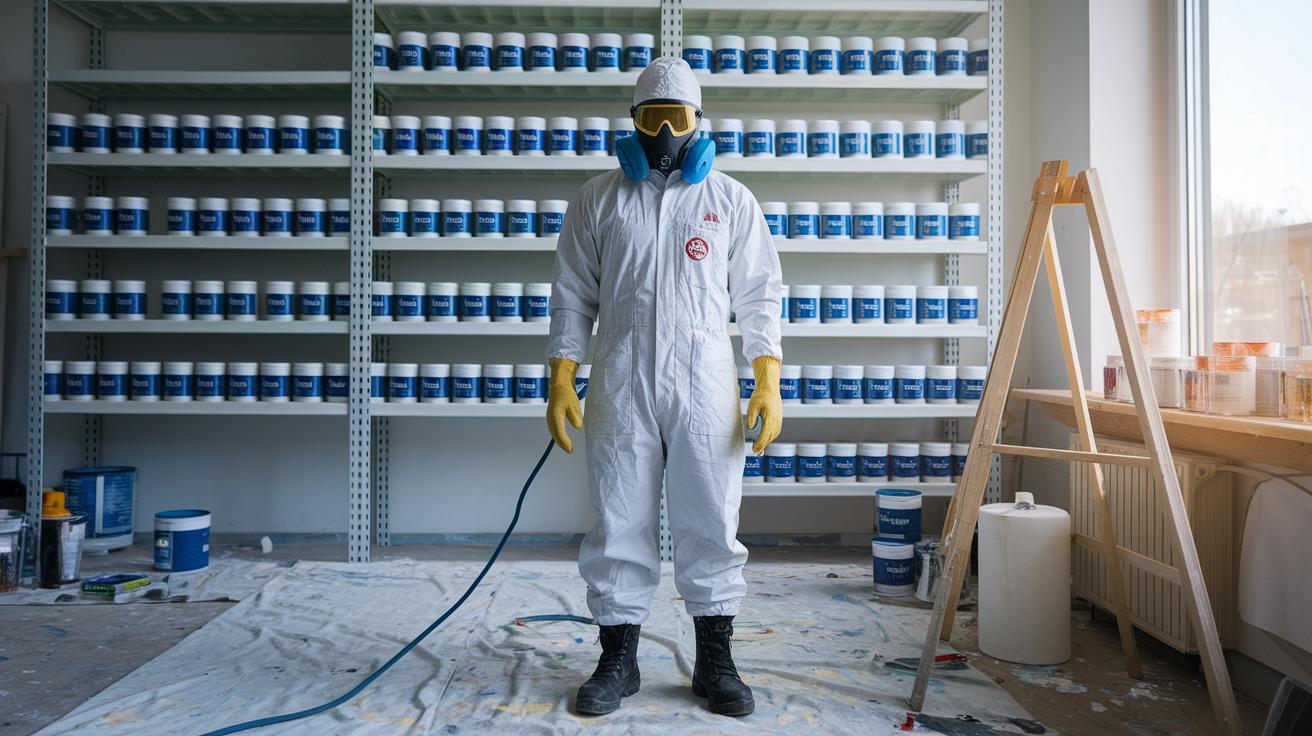
Wearing the proper PPE is the first step to keeping you safe when you work with paints, stains, and solvents. It helps stop harmful fumes and chemicals from hurting your skin.
Your gear lowers the risk of inhaling toxic vapors and prevents chemical burns. Always choose equipment that fits well and meets safety standards.
• Respirators (with organic vapor cartridges to filter chemicals)
• Chemical-resistant gloves
• Safety goggles or face shields
• Disposable or reusable coveralls
• Chemical-resistant boots or shoe covers
• Aprons (made of PVC or rubber)
PPE checklist for DIY projects
Make sure your equipment fits properly. Check your respirator often so no gaps let in air. Clean or swap out gloves and coveralls when they show wear or become contaminated. Get proper training on how to put on, use, and safely dispose of your gear. Regular practice helps you stay alert and deal with hazards quickly.
Ensuring Adequate Ventilation and Airflow in Paint, Stain, and Solvent Workspaces

Good airflow is key when you work with paint, stain, or solvents. Fresh air lowers the amount of harmful VOCs (volatile organic compounds) and protects you from immediate discomfort and long-term health issues. In an enclosed space, aim for at least 10 air changes per hour to stay safe.
Both natural and mechanical systems help keep the air clean. You can open windows or doors to let in fresh air. Commercial exhaust fans, grates, or portable fume extractors offer steady airflow. Place a fan close to your work area so it quickly captures fumes and directs them outside.
Regularly check and maintain your ventilation systems. This helps ensure they meet OSHA standards and deliver the needed air changes per hour. Routine inspections can spot blockages or worn parts, keeping air circulation continuous.
In tight spaces or spray booths, you might need extra ventilation. Follow safety guidelines and use portable extractors when working with products high in VOCs. This extra care helps make sure your work area is safe.
Safe Storage and Handling Protocols for Paint, Stain, and Solvent Containers

Storing your paint, stain, and solvent containers correctly is key for lowering fire risks and preventing leaks. Using flammable-storage cabinets and secondary containment methods, like trays or bunded pallets (pallets with raised sides), can help catch drips before they cause harm. Always check your Safety Data Sheets (SDS) for the exact storage temperature (typically 40–85 °F or 4–29 °C) and make sure you keep incompatible substances apart. Following local codes and these clear guidelines keeps both your property and work area safe.
| Storage Condition | Requirement |
|---|---|
| Temperature Control | Keep between 40–85 °F (4–29 °C) as per SDS |
| Segregation of Incompatibles | Store chemicals separately to avoid reactions |
| Proper Labeling & Container Integrity | Make sure all containers are clearly labeled and tightly sealed |
It’s important to inspect your storage area regularly. Schedule checks to review your inventory, spot any container damage or leaks, and ensure that safety zones are in place. Rely on your SDS and current codes during these reviews. This careful approach helps to secure your chemicals, protect the environment, and keep your facility safe.
Hazard Communication Standards and Regulatory Compliance for Paint, Stain, and Solvents

OSHA’s Hazard Communication Standard (29 CFR 1910.1200) tells workplaces how to safely handle dangerous chemicals. It makes sure that each chemical has a current Safety Data Sheet (SDS) easily available to everyone. This means workers can quickly check details about the chemicals they use. The rule also calls for clear labels and proper training so everyone understands the risks.
An SDS is a useful guide that explains what a chemical is, what dangers it poses, how to handle it safely, how to store it, and what to do in an emergency. Every chemical’s label should show words like "Danger" or "Warning," include hazard symbols, and list safety tips. Employers keep updated files of these sheets and training records. They also show workers how to read the labels, understand the SDS, and know what to do if exposure happens. This easy-to-find information helps workers stay safe on the job.
Regular safety checks are very important. Employers should review their chemical safety records every year or whenever they get new chemicals. These audits make sure that all the SDS documents are up to date and that labels meet the rules. Keeping on top of these checks helps stop safety mistakes before they happen.
Emergency Response and Spill Containment in Paint, Stain, and Solvent Operations

When a spill happens, every second counts. Acting quickly can cut down exposure to harmful chemicals and prevent more damage. Follow these six steps immediately:
- Alert your coworkers and secure the area.
- Put on the proper personal protective equipment (PPE) right away.
- Use your spill kit to contain the spill and soak it up.
- Collect and label all used absorbents as hazardous waste.
- Clean tools and surfaces thoroughly.
- Report the incident following company rules and OSHA guidelines.
Once you have managed the spill, take time to review the incident. Write down every detail of what happened. Look at what caused the spill so you can fix any gaps in your process. Update your safety procedures and refresh the training for everyone on your team. Also, check your spill kit supplies regularly and make sure all staff know what to do in an emergency. These steps will help you react faster next time and improve overall safety in your work with paint, stain, and solvents.
Responsible Disposal and Waste Curtailment for Paint, Stain, and Solvents
Improper disposal of paints, stains, and solvents can hurt our environment. When these chemicals end up in drains or regular trash, they release harmful substances into water and soil. This pollution can disturb fish, plants, and even our water supplies, creating problems that may last a long time.
To lower these risks, start by grouping your hazardous waste separately from regular trash. Collect leftover paints, stains, and solvents in a safe container. Always drop them off at a designated hazardous waste facility or use a licensed waste hauler for proper removal. If you can, choose mineral-based or water-based products, which can cut solvent waste by up to 70%. These steps not only protect nature but also help you meet local waste rules. Check with local waste authorities often to keep up with safe and eco-friendly disposal methods.
Final Words
In the action, we broke down each step, from understanding VOCs and proper ventilation to using the right PPE and following spill response plans. We showed how every guideline supports safe work practices and keeps you on track.
By following these steps, you build confidence in your chemical safety for paint, stain, and solvents practices. Keep your workspace secure, measure twice, and take every precaution. Every small step adds up to a safe, successful project.
FAQ
FAQ
Q: What does chemical safety for paint, stain, and solvents PDF cover?
A: The PDF details chemical hazards in these products and offers guidelines on proper handling, storage, and emergency spill response to help keep you safe.
Q: How do painting hazards and control measures protect you?
A: Painting hazards include toxic fumes, flammability, and skin contact. Control measures such as proper ventilation, correct PPE use, and safe storage help reduce health risks.
Q: What do OSHA painting regulations require?
A: OSHA regulations require proper ventilation, use of approved PPE, clear labeling, and regular employee training to minimize exposure to harmful chemicals during painting tasks.
Q: How does OSHA address exposure to paint fumes in the workplace?
A: OSHA guidelines limit paint fume exposure by mandating adequate ventilation, the use of respirators, and routine air quality monitoring to protect workers from acute and chronic effects.
Q: What are the hazards of paints and solvents?
A: Paints and solvents can emit VOCs that cause irritation, headaches, and respiratory issues. Long-term exposure may lead to organ damage, so following safety protocols is essential.
Q: What safety measures should you take when working with solvent-based paint?
A: Always use proper PPE like respirators, goggles, and gloves, work in a well-ventilated area, and refer to the product’s SDS for storage and handling guidelines.
Q: What are the seven major chemical hazards associated with these products?
A: The seven major hazards typically include flammability, explosiveness, reactivity, toxicity, corrosion, sensitization, and environmental harm. Always check the SDS for specific chemical risks.
Q: What PPE is needed when working with solvent-based paint?
A: Use NIOSH-approved respirators, chemical-resistant gloves, goggles or face shields, coveralls, and boots. Ensure each item fits correctly and follow SDS recommendations for optimal protection.