Have you ever wondered why some neighbors buy pricey tools that gather dust most of the year? Sharing these tools can help you save money and build a friendlier community. A tool library lets everyone borrow what they need while reducing waste and boosting local spirit. In this guide, we’ll walk you through a simple five-step process to start your own tool library. When you begin small and invite committed neighbors, you create a system that meets real needs and brings people closer together.
Launching Your Neighborhood Tool Library: A Step-by-Step Framework

Starting a neighborhood tool library begins with asking your neighbors what they need. You can start small by having folks lend items like snow blowers or extra-long ladders. This simple trial run helps you learn what works before you invite more members and grow your collection.
This guide shows you a five-step process to set up your tool library. Follow these actions to create a lending system that serves local needs and brings neighbors together. For more details, check out a DIY project planning checklist.
- Assess community needs – Ask around to see which tools are most useful and where there are gaps. This helps you choose the best starter items.
- Form a planning team – Invite a few dedicated neighbors to help run the library. Their local know-how is a big plus.
- Define mission and rules – Write down clear guidelines for membership, borrowing limits, and responsibilities. For example, one town used simple rules to prevent duplicate purchases.
- Secure space and funding – Pick a nearby, easy-to-find spot to store the tools. Research options like local fundraisers, partnerships, or a small fee to cover costs.
- Build your tool collection – Start with basics such as drills, ladders, and garden tools. Over time, add more tools through donations or shared buys.
This clear framework helps you build a tool library that is both organized and full of neighborly spirit. Every step is designed to keep things simple, safe, and community-driven.
Planning Essentials & Legal Foundations for a Neighborhood Tool Library

Starting a tool library requires a strong foundation. We need to set up the right legal structure, write clear rules, and plan our finances carefully. This helps protect everyone involved.
Legal Structure & Bylaws
Choose a legal form that fits your needs. You can start a nonprofit to get grants and community support, or form an LLC if you want simpler tax handling. Write simple bylaws that list membership rules and borrowing steps. For example, you might require a photo ID, library card, and a utility bill, just like the Berkeley Tool Library does.
Insurance & Liability
Safety matters at your tool library. Get proper insurance that covers property damage and injuries. Make a list of who is responsible if accidents happen or repairs are needed. Clear rules on liability build trust in your community center.
Financial Planning
Plan your budget carefully. List your startup costs, monthly expenses, and set aside some funds for surprises. Record every cost, from buying tools to paying storage fees. Then choose a fee or donation model that keeps the library open to everyone.
| Document Type | Purpose | Example Requirement |
|---|---|---|
| Membership Forms | Check if a user can join | Photo ID, Library Card |
| Bylaws | Set the rules for how things work | Borrowing limits, meeting rules |
| Insurance Policy Documentation | Cover liability issues | Coverage details, claims process |
Defining Membership Criteria & Lending Guidelines for Your Neighborhood Tool Library

Borrowers should be 18 years or older. They need to show a valid photo ID, a library card, and proof of address (like a recent utility bill). This check helps build trust in the tool library. For example, when a neighbor applies, asking for a current driver’s license makes sure the membership stays secure and accountable.
To keep tools available for everyone, limit each member to borrowing 10 items at a time. Set clear loan periods such as 1 or 2 weeks, and allow renewals if items are returned on time. For instance, a resident might check out a cordless drill and a circular saw and still stay within the 10-item limit so that everyone gets a fair chance to use the tools.
Membership can be free or fee-based, depending on your community’s goals. Let members know if there is a deposit to cover any tool damage and list any penalties for late returns. For example, if a tool comes back late, you might charge $1 per day. Laying out these guidelines clearly creates a system that is fair and reliable for all.
Curating and Organizing Your Tool Inventory

Start building your tool library by grouping your items in ways that work for community sharing. Grouping tools into clear categories helps you track what you have and makes it simple for others to find what they need.
| Tool Category | Suggested Items | Quantity |
|---|---|---|
| Automotive | Tire inflators, basic mechanic tool sets | 5-10 items |
| Bicycle | Bike repair stands, tire pumps | 3-5 items |
| Home Maintenance | Cordless drills, circular saws | 5-7 items |
| Carpentry | Extension ladders, miter saws | 3-5 items |
| Garden Tools | Rakes, shovels, pruners | 5-10 items |
Consider expanding your collection by partnering with local hardware stores, hosting community donation drives, or planning group buys. This approach uses local resources to build a strong, cost-effective tool library that grows with your neighborhood.
Daily Operations and Asset Management in a Neighborhood Tool Library

Run your tool library by picking an inventory method that fits your needs. In the early days, a shared spreadsheet or email list works well to track where each tool is kept and who has it. As your library grows, consider using software that can handle reservations, send automatic reminders, and log every check-in and check-out. Digital tools help you quickly see which items are being used and which are free. Clear labels and dedicated storage areas also help keep tools in the right place.
Set up a clear check-out process to keep everything running smoothly. When someone borrows a tool, record the date, time, and when you expect it back. Send a quick email or digital message to confirm the reservation. Log every transaction for later review. This record keeping makes audits easier and helps you spot any patterns. It also keeps the system transparent and efficient.
Community Engagement and Partnership Strategies for a Neighborhood Tool Library

Start by inviting your neighbors to learn about the tool library. Use neighborhood meetings, hand out flyers, and post on social media to spread the word. Host a local discussion where you share simple stories about saving money, reducing clutter, and building stronger bonds by lending tools. Ask your community for ideas and invite them to join planning sessions. Even small contributions can create big changes in how neighbors support each other.
Work together with local businesses, hardware stores, and community centers to get tool donations and sponsorships. Send out short emails that are straight to the point, this method worked well in Asheville, NC. Meet local business owners face-to-face when you can. These chats can lead to partnerships where sponsors might offer discounts or support with free services, which helps lower your startup costs and builds trust.
Keep the energy high with regular events and volunteer drives at the tool library. Organize community fairs or hands-on workshops so residents have more ways to connect, learn, and pitch in. Over time, these events will turn your tool library into a lively and supportive neighborhood hub.
Maintenance Protocols for Sustaining Your Neighborhood Tool Library

Inspection & Cleaning Schedule
Set up a weekly routine to look over each tool. Check for any signs of wear or damage. Wipe off dirt, oil moving parts (like joints), and sharpen blades when needed. This helps spot problems early so you can fix them before they get worse. For example, if a power tool shows cracks or loose parts, replace them right away. Regular cleaning makes tools last longer and shows you care about safety.
Repair & Replacement Workflow
Keep a repair log that records each tool's service history. Write down the date, what issues you found, and the cost of any fixes. This log helps you plan for new tools and manage repair costs. When a tool is no longer safe to fix, choose eco-friendly disposal or recycling methods to cut down on waste. For instance, note when garden shears are too worn out to repair, and follow guidelines for their safe disposal. This way, your tool library stays safe and reliable for everyone.
Real-World Case Studies of Neighborhood Tool Libraries

The Berkeley Tool Lending Library is a great example of a smart tool-sharing system. Residents can borrow thousands of tools for free if they meet simple membership rules. To join, you need a photo ID, a library card, and a recent utility bill. These steps build trust and keep the library running smoothly. The collection covers tools for home repair, car care, and gardening. This setup saves money and cuts down on waste while bringing neighbors closer.
In Asheville, NC, a simple neighborhood plan started a tool-sharing network. It all began with neighbors discussing how to share rarely used tools like snow blowers and ladders. As more residents joined, clear rules were set and everyone could see the tool list. This grassroots idea saved money by avoiding duplicate purchases and reduced waste from mass production. Both examples show that clear rules and a shared list help communities share tools more efficiently and build stronger bonds.
Strategies for Scaling and Expanding Your Neighborhood Tool Library

Scaling your neighborhood tool library takes smart funding and good partnerships. First, apply for grants, look for sponsorships, and connect with local businesses and community groups. Run a small pilot project to test your methods, fix any issues, and collect success stories. This trial helps build trust and makes it easier to secure more funding later.
Copying your tool library in nearby neighborhoods works best with digital tools and efficient systems. Use online reservation platforms and mobile apps to handle check-outs, track inventory, and plan returns. These digital systems simplify communication and let you see tool use in real time. They also cut down on paperwork, making it easier to serve more members. As you add locations, a streamlined tech approach keeps service steady and builds a strong sense of community sharing.
Digital Technology and Platforms for Your Neighborhood Tool Library
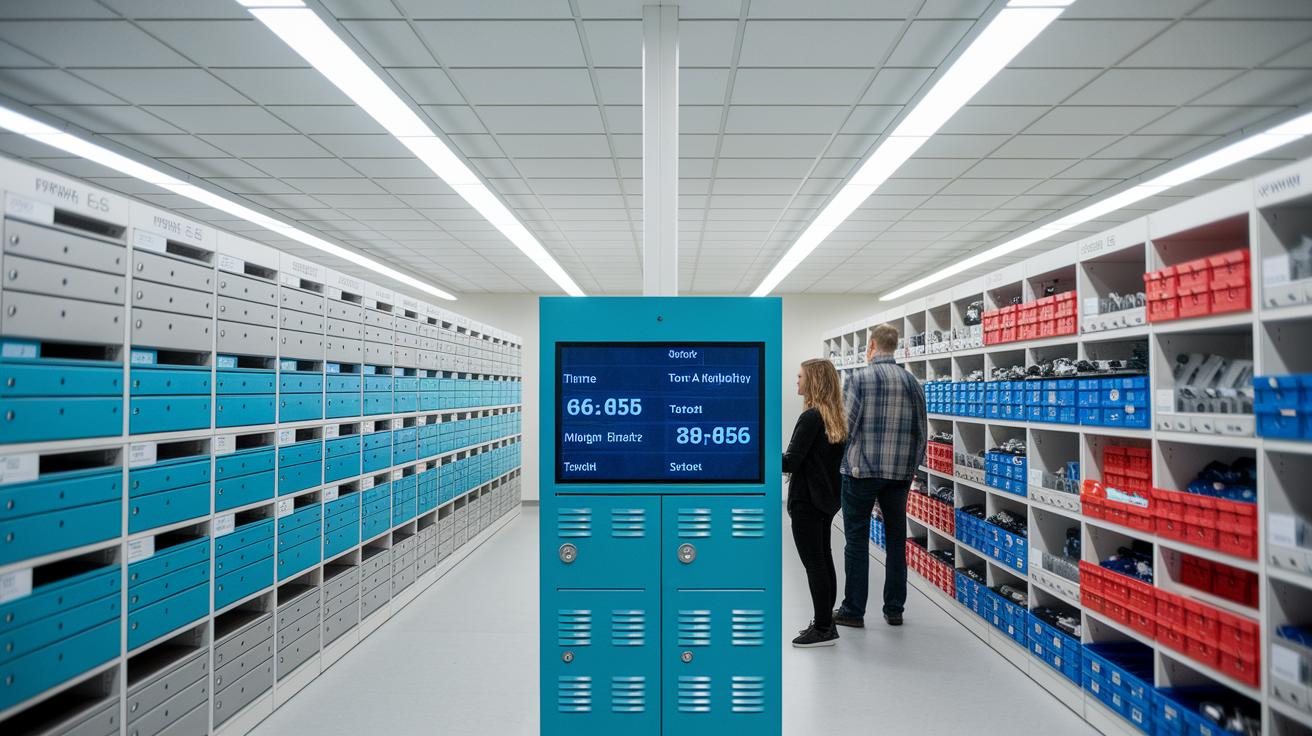
Modern tool libraries run smoother with digital solutions. Instead of using emails or spreadsheets, cloud-based systems help you manage schedules, waitlists, and calendars all in one place. These systems keep inventory data current, making it easier for both users and managers to know which tools are available.
Online Reservation Systems
Online reservation systems update tool availability in real time so you can see exactly when a tool is free. They include handy features like waitlist management, automated reminders, and calendar syncing. For example, you might get a notification when a tool is returned. This simple process cuts down on booking mistakes and gives everyone fair access to the library’s tools.
Asset Tracking Apps
Asset tracking apps use barcodes, RFID, and mobile check-in features to speed up the check-out process. You can update the tool's status quickly using your smartphone, and managers get instant inventory data. This technology makes tracking each tool efficient and easy, even as the library grows.
Final Words
In the action, we broke down launching your neighborhood tool library into clear steps. We covered planning your organizational structure, setting up a lending system, managing daily operations, engaging the community, and keeping up with maintenance. Each section offers practical steps and real-world insights.
By following this step-by-step guide, you'll have a solid blueprint for how to start a neighborhood tool library that keeps projects on schedule, budget-friendly, and safe. Keep moving forward, you’ve got this!
FAQ
How to start a neighborhood tool library reddit
The question about starting a neighborhood tool library on Reddit means using online community groups to gather ideas, share plans, and recruit volunteers to form a supportive local lending network.
How to start a neighborhood tool library pdf
The question about starting a neighborhood tool library via PDF highlights using a downloadable guide that outlines planning steps, setting rules, and organizing tool sharing to build a structured community initiative.
What is a neighborhood tool share
The question about a neighborhood tool share explains that it is a community system where neighbors lend and borrow tools, reducing individual costs and promoting sustainable resource use.
Where can I find a tool library near me
The question on finding a tool library near you means checking local community resources or online directories for centers that let residents borrow tools and equipment on a membership basis.
How does tool sharing near me work
The question about tool sharing near you means accessing a community program where neighbors share tools, reducing the need to purchase equipment and building local cooperation through clear guidelines.
How does a tool library work
The question on how a tool library works means that community members join a membership program to borrow tools under a set of lending rules, with systems in place for check-out, check-in, and regular maintenance.
What about the Indianapolis tool library
The question regarding the Indianapolis tool library means learning about local initiatives in Indianapolis where residents borrow and lend tools, relying on community participation and organized systems to manage shared resources.
What does renting tools in a library involve
The question about renting tools from a library explains that members can borrow tools as needed under agreed guidelines, usually involving a membership fee, check-out system, and set borrowing periods.